The internet we use every day is only a small part of what actually exists online. It is often compared to an iceberg, where the visible tip represents the surface web websites we regularly visit, such as news platforms, social media, and search engines like Google.
Beneath this surface lies the deep web, which includes private content such as emails, online banking portals, and password-protected accounts. Within the deep web is an even smaller and more hidden section known as the dark web, which makes up only a tiny fraction of the entire internet.
The darknet, unlike the surface web, is not indexed by search engines and keeps users anonymous. It operates through encrypted networks that hide identities and online activity. While the dark web is often associated with illegal activities, it also has legitimate uses related to privacy, free speech, and secure communication.
This guide explains what the dark web really is, how it works, and most importantly, how to access it safely using the right tools and precautions.
What is the Dark Web and How It Works?
Understanding how the dark web functions requires an understanding of the infrastructure used in onion routing. For example, through a typical internet connection, your computer connects to a website directly and has its true IP address transmitted across the web, while intermediaries (such as your Internet Service Provider) can track your location.
The darknet operates differently by routing data through multiple servers, called ‘onions,’ which volunteers run in a decentralized, non-linear manner.
The Mechanics of Onion Routing
When you open the Tor browser, it creates a ‘circuit’ using three randomly selected nodes. The following describes the 3 different types of nodes within the circuit:
- Entry Node: The first and foremost access point for a user to connect to a Tor circuit, termed a “Guard Node” (entry node). This node knows the user’s actual IP address but cannot see the information being sent or its destination.
- Middle Node: The Middle node serves as a buffer between the two other nodes (Guard & Exit). The middle node tracks which node sent and received the login information, but cannot determine the original sender or final destination.
- Exit Node: Lastly, an exit node decrypts the last layer of the onion routing process and then directs the decrypted data to its intended website. While an exit node knows where the data is being sent but does not know who the sender is.
Encryption and Data Encapsulation
The user’s device secures data with multiple layers of encryption, one for each node, before sending it over the internet. Each node then removes its layer of encryption using its own private key to locate the address to which to send the request next.
This guarantees that none of the participating members will have all the information necessary to identify who the user is and where they are trying to go.
The Trade-off: Latency and Performance
One significant limitation of these very secure systems is their speed, because it can take longer to find what you’re looking for.
Encrypting data multiple times and routing it through numerous servers makes using the dark web much slower than browsing the open web.
Due to the added latency caused by this routing, it is essential to note that you cannot effectively use high-bandwidth applications such as streaming high-definition video or downloading large files and still expect to remain anonymous. Onion addresses are used by dark web websites and represent a special type of domain that is not registered with any of the usual DNS registration companies, such as GoDaddy or ICANN.
The websites create these addresses from their public keys, preventing anyone from tracing their location or the users who created or visited them.
Who Created the Dark Web?
The dark web hides sections of the deep web from public access, using encryption and non-standard protocols to enable communication between computers outside the regular internet.
Google Chrome or Safari browsers do not provide a means of accessing the dark web. If you wish to obtain dark web media/content or any other dark web material, it is necessary for you to use an Internet Browser (for example, the Tor Browser) that allows you to access the dark web.
Internet users who want to hide their IP address and access the web from anywhere use the Tor Browser, which offers features that differ significantly from standard VPN services. Online users who access the dark web have a different experience when using TOR than those who use a traditional VPN service.
The dark web relies on the use of node-based overlay networks (such as TOR, I2P, and Freenet) to offer users complete anonymity when interacting with others via its platform. Game theory suggests that releasing the source code of Tor (The Onion Router) under an open source license in 2004 was a rational decision.
To provide government agents using the Tor network with the complete anonymity that the Tor network has to offer, it will be necessary to have a wide variety of individuals accessing the Tor network. If the traffic leaving a Tor node consisted solely of intelligence agency users, it would be easy to identify any traffic leaving that Tor node as coming from intelligence agencies.
Usually, the traffic of a spy on the dark net is indistinguishable from the traffic of privacy advocates, journalists, and dissenters living in authoritarian regimes. This is mainly because of the open nature of the network and the influx of users from all walks of life.
In 2006, Nick Matthewson, Roger Dingledine, and five other developers built The Tor Project. The Tor Project continues to receive funding from several organizations today. Some of these include the U.S. Department of State and the National Science Foundation. This demonstrates the critical importance of Tor as public infrastructure for digital freedom and human rights.
Understanding the Modern Internet: The Three Layers Explained
Many individuals make the error of viewing the internet as a single whole network. However, we should view the internet as a series of layers grouped into three main sectors.
These sectors depend on how users access, protect, and find information:
| Feature | Surface Web | Deep Web | Dark Web |
|---|---|---|---|
| Accessibility | Any standard browser | Standard browser + credentials | Specialized software program (Tor, Freenet, I2P) |
| Indexing | Indexed by search engines | Not indexed | Not indexed; requires direct URLs |
| Primary Intent | Public information & commerce | Security, privacy, & data storage | Anonymity & hidden services |
| Common content | Google, News, Social Media | Bank accounts, private records | Hidden forums, markets, leak sites |
| Percentage of web | ~4-10% | ~90-95% | <0.01% |
1. The Surface Web: The Visible Layer
The “surface web” or “clearnet” refers to all publicly available content that traditional search engines can index.
Blogs, news websites, e-commerce websites, and social media accounts that are publicly available. Anyone with a standard web browser (like Google Chrome or Mozilla Firefox) has access to all parts of the surface web.
Many users consider the surface web to be nearly limitless. On the contrary, experts in cybersecurity estimate that the surface web is only 4% to 10% of the total internet.
2. Deep Web: The Private Part of the Internet
The Deep Web is the part of the internet that is not available via traditional search engines. Typically, the deep web consists of secure web pages with some form of authorization (i.e., requiring a login) so that they are not accessible by the general public.
This misunderstanding has led many to view the deep web as a site for illegal activities. However, most of our current digital interactions happen within the deep web. Any website that requires a user to log in before viewing content or using the site (e.g., an online bank) is part of this layer.
Between 90% and 96% of pages found on the Internet exist on the deep web. This section provides a space for secure storage of data and allows private communication between users on the Internet.
3. The Dark Web: The Concealed Level
The dark web serves as a subsection of the deep web. However, the dark web has been intentionally hidden and employs special encryption methods as well as non-standard protocols in order to contain its content. Users access the dark web through the Tor Browser or other applications built specifically for that purpose.
There are many overlay networks available to users that enable users to access the darknet while maintaining concealment of their identities. Some of these networks include The Onion Router, Invisible Internet Project, and Freenet.
Also, the dark web supports the creation of an environment in which anonymity is of utmost importance, and authentication is only a side benefit.
Is the Dark Web Illegal?
Users have a common question. Is it illegal to be on the dark web?’ The answer is No.
Most countries, including the USA, Australia, and Canada, do not consider accessing the Dark as illegal. The dark web serves as a privacy tool, allowing users to use it as a platform for specific activities.
This implies that the action users take while accessing the dark net is the deciding factor in determining the legality of the act taken.
Legality of Privacy Tools
The US Government was one of the sponsors of Tor. Today, it continues to use Tor for both spying and collecting intelligence, and creating an anonymous method of communication for whistleblowers.
There are a lot of legitimate uses for browsing the dark web online. It also serves users seeking news that their home countries have censored or blocked. This includes the BBC and the New York Times on their respective networks.
Common Problems When Connecting to the Dark Web
Many users run into issues connecting to the dark web on the internet in 2026. Among the most common challenges experienced on the dark web are:
- Clock synchronisation: One of the requirements of using Tor is that your computer has synchronized its clocks correctly before connecting to Tor. If you don’t set this properly, your computer cannot create a secure connection because errors occur during the cryptographic handshake with the Tor network.
- Antivirus blocking Tor: Many security applications will block your connection to Tor. The users should make an exception to allow Tor through their antivirus software.
- Reaching 10% and not getting any further: A connection stuck at 10% usually means that access to the Tor network is being blocked or censored. You should look into using a bridge in your Tor settings to circumvent this blocking issue.
Navigating the Shadows: Selecting a Dark Web Browser
Tor Browser remains the most common entry point to the dark web, but by 2026, more alternative browsers will have emerged.
This increase in alternative platforms is due entirely to the increasing array of types of privacy requirements and network environments that exist in today’s world:
1. Tor Browser
Many people utilize the Tor Browser as a means of accessing the Tor network because it is the most commonly utilized method. Tor Browser is an updated version of Mozilla Firefox.
Upon downloading the web browser, you will have your requests routed immediately through the TOR network. There are multiple versions of the browser available for the operating systems of Windows, Mac OS X, Linux, and Android OS. For a complete step-by-step guide on its setup, features, and security configuration, read our detailed explainer on the Tor browser.
2. I2P
The Invisible Internet Project works via a decentralized Peer to Peer (P2P) architecture utilizing Garlic Routing technology. This distributed structure combines multiple layers of encryption into a single message within I2P.
I2P provides a means for users to access eepsites (hidden services) hosted on the I2P network. Also, it can do so without having to connect through Tor or another method of anonymity. As a result, it allows for greater levels of privacy and anonymity through encryption.
Compared to Tor, I2P is a more secure option with a multitude of use cases, such as secure messaging-based communications and file sharing between peers.
3. Freenet
The dark web browser allows individuals to publish anonymously without fear that their words will be censored.
Users share part of their hard disk and bandwidth with other users in order to create a distributed database, in which files are divided into encrypted components and distributed throughout the network. This renders any central authority incapable of removing or blocking user-created content.
How to Stay Safe on the Dark Web
It is critical that you follow the established procedures for mitigating the serious risks associated with Malware and Fraud. This is essentially key for individuals in jobs where they access hidden or underground networks (analysts, journalists, researchers):
- Download from the source: The Tor Browser should only be downloaded from Torproject.org. There is no way to confirm that other sources of the Tor Browser do not have a “Trojan” embedded in them, or will not be compromised by any type of malware.
- Use a quality VPN: To protect your Tor Activity and add another level of encryption, it is important to establish a VPN before you connect to the Tor Network.
- Set the security controls: Set the Tor Security Slider to “Safest.” This setting disables JavaScript, which is targeted more often than anything else when it comes to attacks via web browsers.
- Do not use personal information: Do not use your actual name, email address, or any other type of identifying information. Create a “burn” identity.
- No downloads: Files downloaded from within the dark web could have beacons placed inside them that would reveal your real IP address the second you open them while using the Internet.
The Dark Economy: Marketplaces, Pricing, and Services
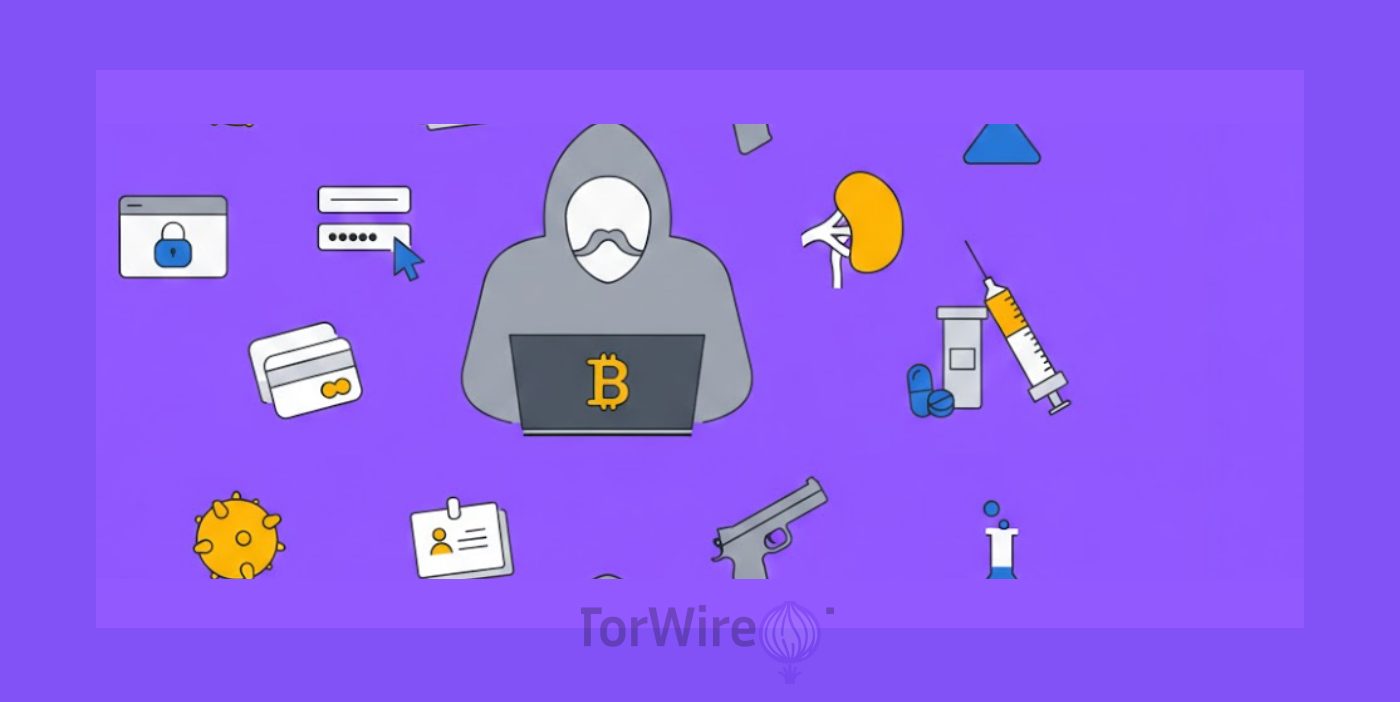
Illicit business is the main form of use for the dark net; however, dark net sites are managed in a very similar way to e-commerce sites such as Amazon. They use a rating system, a dispute system, and an escrow system to complete transactions worth millions. For a detailed look at the current landscape of these platforms, including their features and reputations, see our guide to the best dark web markets.
The 2025 Dark Web Price Index
Ethical and financial interest in the valuation of stolen data is reflected by the potential threat level of individuals and businesses through the dark market and is continuously updated.
Pricing is dependent upon the amount of stolen data in the current market and the level of effort required to convert it into cash.
| Stolen asset | 2025 Market Price (USD) |
|---|---|
| Social Security Number (US) | $1 – $6 |
| Full Identity (Fullz: Name, SSN, DOB, Address) | $20 – $100+ |
| US Passport Scan | ~$100 |
| Credit Card (US, with CVV) | $10 – $40 |
| Online Bank Login (Balance >$5k) | $200 – $1,000+ |
| Gmail Account Access | ~$60 – $65 |
| Corporate Admin Credentials | Thousands |
| DDoS Attack (24 Hours) | ~$45 |
The Human Side of the Internet: Real and Essential Uses
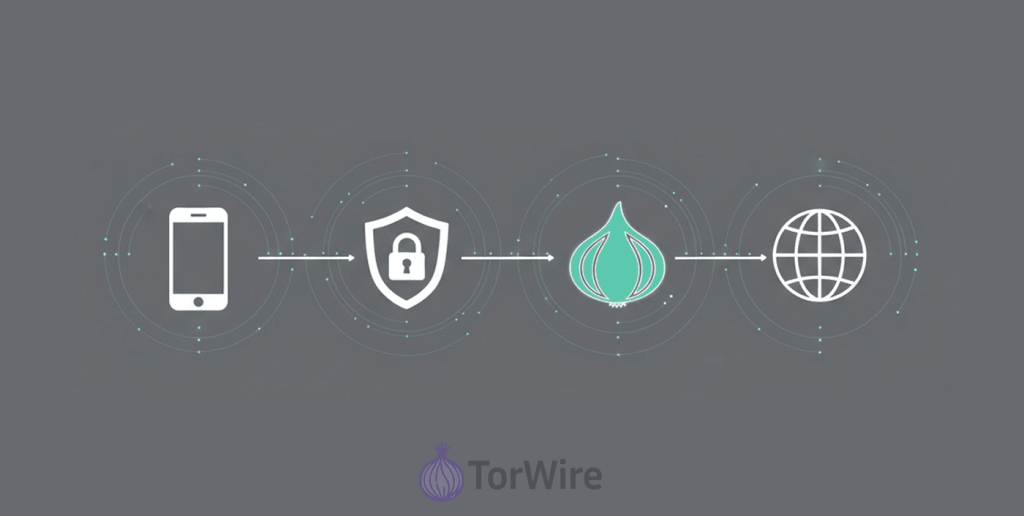
The dark web receives much attention due to its use in trading illegal materials; however, it also plays an integral role in supporting human rights, journalism, and safety. In effect, the dark web establishes the foundational systems that support current whistleblowing and anti-censorship goals.
Secure Whistleblowing and Journalism
Whistleblowers and journalists operate in a hostile/enemies of society that hurts technology. Tor is a valuable digital security tool enabling anonymous communication with one’s sources.
It allows them to do so without creating a “digital fingerprint,” which can lead to arrest or retribution. Tor is essential in cases where there is a serious implication, as when working in neglected areas or reporting on very sensitive material.
- Another tool available to identify and report this type of event is SecureDrop, a system developed by the Freedom of the Press Foundation that enables individuals to submit video and other types of information to reporters. It is established to allow individuals to send documents to some of the largest news organizations (The Guardian, Washington Post) completely anonymously.
- These technological means offer assistance to whistle-blowers (such as Chelsea Manning and Edward Snowden) in navigating very difficult environments.
Bypassing Censorship
Countries that have government limits on how much information people can see or read rely heavily on the dark web.
With Tor bridges, citizens can use the dark web to see social media sites, read international news, and learn. All of these services are officially blocked in their home country.
- For example, Facebook regularly publishes an official .onion address (facebookwkhpil…onion). This address allows users in countries like Iran and China to access Facebook as though they were in a country that does not impose these restrictions.
- The BBC and The New York Times have both created hidden services. These services were developed to ensure that their reporting is still available to everyone in the world. It works effectively, regardless of whether they can view the regular website due to an internet blackout. For a curated list of legitimate and useful .onion sites like these, including libraries, secure communication tools, and privacy resources, explore our guide to the best dark web sites.
Research and Law Enforcement
Researchers working in Cybersecurity regularly monitor the dark web in order to identify new threats and track stolen data. They also do so to better understand the techniques used by State-Sponsored Hacking Groups.
Likewise, law enforcement also uses TOR as a tool for conducting investigations. Tor enables them to do so while protecting the identity of individuals when submitting anonymous crime reports through a Tip Line.
Debunking Myths: Red Rooms, Hitmen, and the 96% Fallacy
The dark web is shrouded in urban legends, many of which are popularized by the media but have no basis in reality.
The “96% of the Web” Myth
A lot of sensationalist media have reported on the belief that the dark web is equal to or larger than the rest of the internet combined. This confusion about what constitutes the entire internet stems from a misinterpretation of the iceberg diagram.
The majority of the deep web consists of a large register of private databases and online banking accounts, but it would only be considered the dark web if it were specifically hosted in an area designated as being accessed via Tor.
Therefore, the dark web accounts for an estimated 0.01% of total internet activity.
Hitman Scams and Red Room Hoaxes
There is a common misconception on dark web platforms that you can view live murders (known as Red Rooms) or hire an assassin in exchange for payment. While there are websites that claim to offer hitman services, these websites are always either a scam or a police setup.
The reason is that Bitcoin transactions are completely anonymous and irreversible, allowing scammers to take people’s money and disappear without the (so-called) customer being able to report them to law enforcement.
In addition, the Tor network’s technical limitations, specifically high latency and low bandwidth, prevent live streams from delivering high-quality video, making it nearly impossible for anyone to watch a murder in real-time (for example, via a Red Room).
The “Total Anonymity” Misconception
Not everyone realizes that Tor does not necessarily make you “invisible.” You can easily lose your anonymity through:
- Browser fingerprint analysis: By using different devices and browsers to access the internet, a user can create a fingerprint based on their browser settings, which will be unique to each user.
- Malicious exit nodes: An exit node operator could control an unencrypted traffic stream (as opposed to HTTPS).
- User errors: Users are most often ‘un-anonymized’ when they reuse the same username or password from the surface web on a dark web forum.
Regional Political Landscapes Driving Cyber Reform (2024–2026)
Nigeria’s 2024 Cyber Fraud Law Amendments
Nigeria reformed its legal framework to address the rapid growth of cyber fraud through an April 2024 amendment to the Nigeria Cyber Crime (Prohibitions, Preventions) Act, 2014. The amendment introduces several major features to the Act.
- Reporting timelines: Organizations must report an event to law enforcement within 72 hours of discovering it. Organizations that do not notify law enforcement within a reasonable amount of time will be subject to fines based on the dollar amount of their loss.
- Cyber-Levy: The government will impose a 0.5% Cyber-Levy tax on all electronic transactions to fund the National Cyber Security Fund.
- Increased penalties: Both Identity Theft and Hacking now carry the possible sentence of 10 years or more as mandatory.
Multiple news reports stated that one publication confirmed the passage of the ‘Cybercrimes (A) Law 2025’ in 2025. However, Nigeria formally recognized the American-based cybercrime law as a legal entity only on January 1, 2026, under the 2024-repealed law.
Australia: Privacy and Doxxing
Australia is expected to introduce significant changes in 2025 and 2026, driven mainly by amendments to the Privacy Act 1988 (Cth). The government is likely to introduce new laws creating a statutory tort for serious invasions of privacy and additional criminal offences related to doxxing.
United States and International Law
The United States is using executive orders to sanction individuals and companies involved in malicious cyber activity. As a point of reference on an international level, the United Nations Cybercrime Treaty (ratified in the latter part of 2025) was to commence requesting signatures from countries in the upcoming winter of ’25.
The purpose of this treaty is to set up a uniform approach to obtaining and providing evidence regarding criminals operating on the darknet globally and to provide a means of cooperation to assist Governments in their efforts to investigate those criminals. This treaty aims to standardize cross-border evidence collection and cooperation in investigating darknet crimes.
Conclusion
The dark web has become an important, though often misunderstood, part of the digital world. It offers extreme privacy and anonymity, making it a valuable resource for whistleblowers, journalists, and those living under oppressive regimes. However, accessing it safely requires strict operational security (OPSEC) and careful discipline.
As surveillance technologies advance and personal data breaches continue through 2026, the demand for online anonymity will only grow. Successfully navigating the dark web depends less on the tools used and more on the user’s prudence, discipline, and technical skills.
FAQs
No, visiting the darknet is not a crime. It is legal in the US, the UK, and Australia. You only break the law if you buy illegal goods or services.
Absolutely. Hackers can track your activity on the dark net. This is because Tor doesn’t give 100% anonymity. Human mistakes or faulty exit nodes can easily give you away.
No, those sites are fake. They are usually scams or traps set by the police. High latency also makes live crime streams technically impossible.
No. The dark web is a relatively smaller portion of the internet. It remains concealed, and you can access it only through the Tor Browser. On the other hand, the deep web is massive and maintains private webpages such as your online banking portal.
Your data travels through three different relays around the world. Each stop adds a layer of encryption and takes time. This makes the browsing speed drop.
These brokers find a way into a company network. Instead of attacking themselves, they auction that access to the highest bidder on hidden markets.