Cybersecurity is advancing rapidly, and organizations are facing a more complex digital environment than ever before. From the emergence of quantum computing to AI-driven attacks and deepfake deception, businesses must act fast to prevent risks.
The rise of hybrid and remote work, alongside the rapid growth of IoT and cloud adoption, has significantly expanded the attack surface. Moreover, tighter regulations are changing how organizations approach data protection and compliance.
In this article, we’ll explore top cybersecurity trends and predictions in 2026 and how your organization can stay ahead as threats evolve.
Looking Back at 2025
Our 2025 predictions hit an 83% success rate. Although we graded ourselves, the results still stand in a year shaped by diverse forecasts and emerging technology.
Here is a prediction-by-prediction assessment:
| Prediction | Result | Call |
|---|---|---|
| AI-generated ransomware | Widespread | Yes |
| AI-powered SOC co-pilots | Deployed, uneven maturity | Partial |
| CIO & CISO roles merge | Rare in practice | No |
| New security regulations | Expanded globally | Yes |
| Election-related cyberattacks | Documented in 2024-2025 | Yes |
| Rise of secure browser | Clear enterprise uptake | Yes |
| Government investment in smart and secure infrastructure | Ongoing, uneven | Partial |
| Single-vendor SASE adoption | Strong momentum | Yes |
| AI-specific attacks | Actively observed | Yes |
| CISOs reduce AI adoption | Spend slowed, not reversed | Partial |
| Identity-based attacks rise | Dominant attack path | Yes |
| Quantum breaks encryption | Overstated timeline | No |
| Rise of initial access brokers (IABs) | Well-documented | Yes |
| Increased MSP/MSSP reliance | Clear trend | Yes |
| AI agents as a breach factor | Early signal only | Partial |
| Tech rationalization | Actively happening | Yes |
| More patent attackers (APTs) | Confirmed | Yes |
| Open-source attacks plus regulation | Increased | Yes |
| Decentralized security decisions | Clearly visible | Yes |
| Regulation and compliance pressure | Intensified | Yes |
Cybersecurity Trends and Predictions
1. Advancing AI-Driven Cyber Defenses
In 2026, artificial intelligence will significantly shape cybersecurity innovations. AI tools will enable organizations to shift from reactive defenses to real-time protection, spotting anomalies like unusual logins, data exfiltration, or configuration errors.
Moreover, AI will help to predict threats before they happen. As cybercriminals also leverage AI, businesses adopting AI-driven incident responses will stay ahead in digital resilience.
2. Transitioning to Quantum-Ready Security
As quantum computing approaches practical use, businesses must reconsider how to protect sensitive data. For example, many organizations will adopt quantum-resistant encryption and develop crypto-agile strategies.
The shift to quantum-ready security will involve testing post-quantum protocols, detecting weak encryptions, and addressing interoperability challenges. Early adopters will protect data integrity and earn a reputation for trust and innovation in the age of unprecedented computational power.
3. Verifying Digital Identity Authentication in the Deepfake Era
As synthetic and deepfake media tools become more realistic and accessible, identity verification will be a major concern in 2026. Video and voice will no longer be trusted as proof of identity. Companies will rely on AI-based systems to analyze speech, visuals, and metadata to confirm authenticity.
Since this trend will extend to everyday operations, organizations blending employee training, verification policies, and biometric authentication will maintain trust.
4. Operationalizing Zero-Trust
In 2026, zero-trust will shift from hype to a standard security practice. The idea is not to trust any user or device automatically, even if they are within the network. The administrators must verify and monitor every access request continuously.
Therefore, companies adopting zero-trust must take practical measures like tightening access, segmenting networks, and verifying identity in real-time to protect data.
5. Integrating Cloud and Edge Security
Integrated security will be a top priority in 2026 as organizations scale across diverse clouds and edge systems. The rise of hybrid work is driving constant data movement across endpoints, on-premises systems and SaaS applications, creating potential vulnerability.
Most businesses will adopt cloud-native security solutions for consistent visibility across diverse environments. Already, tools like Cloud Security Posture Management (CSPM) and Secure Access Service Edge (SASE) are helping security teams to detect misconfigurations and enforce policies in real time.
6. Embracing Security Automation and Unified Platforms
Managing cybersecurity has become complex due to the sprawl of tools for endpoint protection, monitoring, identity management, compliance, and more. This slows down threat detection and increases the risk of conflicting configurations and blind spots.
In 2026, businesses will move towards consolidated security platforms that unify capabilities, improve visibility, and speed up decision-making.
7. Identity Delegation and Trust
In 2026, bot defense will shift from verifying humans to evaluating intent. Since AI browsers and agentic assistants will become routine, security teams will need to evaluate the intention of the session instead of blocking assistants by default.
With delegated identity, sessions will use real user tokens to perform authorized tasks, changing the indicators defenders traditionally monitor. New ‘on-behalf-of’ standards will emerge, using explicit actor claims and scoped grants to define what agents can do and for how long.
8. Securing AI Models
In 2026, protecting AI models will be a top priority for organizations. As artificial intelligence becomes embedded in decisions, operations, and customer experiences, attackers are shifting focus to these models.
Threats such as model extraction, which steals proprietary AI systems, and model poisoning, which alters how a model learns and behaves, will become more common. Besides technical loss, this can distort business insights, affect brand reputation, and expose intellectual property.
Organizations will adopt tight access controls, continuous model validation, and cryptographic provenance to ensure the AI model’s reliability and authenticity.
9. SOC Tier-1 Analysts Become Autonomous
A Tier 1 analyst acts as the first line of defense, monitoring and triaging alerts in real time to decide which ones to ignore, escalate, or act on immediately. In 2026, AI will increasingly take over SOC operations, reducing manual effort.
This will result in fewer false positives, faster response time, and ease the talent gap as analysts will focus on more complex threats.
10. Operational Technology (OT) Security Becomes a Target
Cyberattacks targeting operational technology (OT) industrial control systems will increase, exposing weaknesses in critical infrastructure. We’ve included this prediction because of the rising industrial incidents and repeated warnings about OT security gaps.
Industry watchdogs and threat intelligence reports point to growing attack sophistication across manufacturing, utilities, and transportation sectors. Unfortunately, many legacy control systems lack modern security controls, making them easy targets.
11. Passwordless Access Becomes Mainstream
In 2026, passwordless authentication will gain wide adoption, replacing the traditional password-based security. This has been coming for years, and advances in decentralized identity, biometrics, and hardware security keys will drive widespread adoption. It will be driven by demand for convenience and the need to avoid risks from phishing attacks, password theft, and reuse.
We’ve featured this prediction due to the advancing standards, vendor support, and regulatory pressure to rethink authentication. Organizations that will adopt passwordless authentication will get stronger security, better user experience,s and simpler access management.
12. Identity Will Become the Primary Attack Surface
In 2026, breaches will not be about bypassing firewalls, but about logging in. Attackers find exploiting human trust and identity processes to be more reliable than software vulnerabilities. The sheer scale of this threat was underscored by the recent global cybersecurity breach that exposed 149 million passwords, dramatically fueling identity theft fears and proving the vast attack surface that credentials present.
Growing multi-factor authentication (MFA) bypass techniques and adversary-in-the-middle attacks will undermine credential-based security models. Therefore, organizations will need to adopt continuous identity threat detection across the entire identity lifecycle.
14. Strengthening Supply-Chain Assurance and Transparency
Supply chain security will shift from basic vendor risk assessment to full visibility and continuous monitoring. In 2026, organizations will leverage real-time partner telemetry and Software Bills of Materials (SBOMs) to detect vulnerabilities and track software dependencies faster.
Moreover, companies will require vendors to observe certain cybersecurity measures to maintain compliance and trust. This will reshape partnerships and boost resilience across industries.
15. Geopolitical Tensions Will Reshape Cyber Conflict
In 2026, global power struggles will continue to extend into the digital realm. Nation-state actors will use critical service providers, supply chains, and multinationals as proxy targets for spying and economic sabotage.
As a result, security teams must include geopolitical risk in vendor assessments, threat models, and incident response plans.
16. Insider Threats Will Cause Most Breaches
Many future breaches will begin with existing access, not by external vectors. Insider threats will increase significantly, fueled by negligence, stolen credentials, and paid access deals.
Shifting workforces, complex access models, and financial strain will accelerate this trend. Therefore, organizations must implement better behavior monitoring, tighter access hygiene, and create safe channels for early mistake reporting.
17. Increase in Gen AI Fraud
Generative AI-powered fraud will increase significantly. For example, fraudsters will exploit AI-generated videos, voices, and text to impersonate individuals and organizations with alarming precision. This will increase fraud and scams, leading to major financial losses and undermining trust in commerce, banking, and identity verification.
We have included this prediction due to the increasing generative AI misuse and weakness in current defenses. This growing GenAI fraud will elevate cybersecurity and fraud prevention as top enterprise risk priorities.
18. Attackers will Embed into Legitimate Tools, not Malware
In 2026, advanced intrusions will evade conventional malware defenses. Attackers will use AI-generated command chains to control legitimate tools and exploit encryption protocols.
AI-C2 frameworks will dominate. These are command-and-control setups that leverage AI-driven polymorphism to adapt in real time. Moreover, attackers will use LLMs tailored for corporate telemetry to embed bots into normal traffic.
19. Advancing Human-Centered Security Awareness
Human error has been one of the biggest causes of most breaches. However, in 2026, there will be a shift towards personalized, data-driven security approaches. Instead of generic training, organizations will use behavioral analytics to detect high-risk employees and tailor interventions to their habits.
Realistic phishing simulations, gamified modules, and continuous feedback will make training more effective and measurable.
20. OAuth Worms will Exploit Cloud Apps
In 2026, attackers will exploit trusted authorizations, spreading ‘Saas-to-Saas OAuth Worms’ across common cloud platforms. This attack vector will bypass standard defenses, won’t require MFA prompts or stolen credentials, and will rely on users giving consent to a rogue ‘helper app’.
The worms will exploit these permissions to steal data and spread through trusted invitations. As a result, organizations will need to improve their defenses with SaaS Security Posture Management (SSPM) and Consent Governance.
21. Blind Trust in AI Outputs
Excessive dependence on AI outputs will be a major security concern in 2026. As GenAI becomes embedded in daily workflows, agents and models will move from recommending actions to executing them. While this might fasten operations, a wrong decision can trigger a chain of reactions because the system trusts itself.
The risk isn’t AI itself, but treating its outputs as unquestionable, which can turn small mistakes into major incidents.
22. AI as an Attacker’s Advantage and the Defender’s Requirement
In 2026, AI will be a standard tool in cybercrime. Attackers will routinely use GenAI to scale tailored phishing, real-time voice impersonation, and deepfake social engineering to bypass human judgment.
For example, in 2025, a tech journalist used a cheap AI tool to clone her voice and successfully fooled her bank’s phone system. By feeding a text-to-speech script into a voice generator, she created a deepfake that bypassed the interactive voice response (IVR) screening and engaged a human agent for minutes.
As a result, security teams will be forced to use AI defensively for machine-speed detection. So far, it’s clear that human analysts cannot match the speed, scale, and sophistication of AI-driven attacks. Organizations that will leverage AI to analyze identity signals, behavior anomalies, and intent in real time will have a competitive security edge.
23. Context will Drive Cyber Performance in the Future
As cyberattacks increase and response time narrows, prioritizing what matters most will determine security success. Moving forward, visibility alone will not be sufficient.
Progressive security teams should integrate risk monitoring, threat detection, and incident response instead of relying on disconnected systems. Context-rich defense enables teams to triage faster, investigate more efficiently, and respond depending on actual business risk, not alert noise.
24. The Browser Becomes the Digital Workspace
In 2026, the browser will shift from an information tool to an intelligent platform that performs complex tasks autonomously. However, organizations will face the challenge of securing the new OS that serves as the enterprise’s primary autonomous interface.
Although traditional defenses like access frameworks and endpoint controls are essential, the browser’s new autonomous features introduce blind spots that require a dedicated security layer.
25. ClickFix Social Engineering Attacks
In 2026, attackers will exploit user confusion around new human-verification tests and a growing copy-and-paste IT culture. They’ll try to trick users into executing malicious commands under the pretense of gaining access or troubleshooting.
The effectiveness of ClickFix attacks stems from exploiting user urgency and familiarity with tools. As defenses like zero trust and MFA become more complex, users are increasingly seeking shortcuts. So, attackers will exploit this fatigue by copying helpdesk language and presenting familiar quick fixes.
26. Securing Remote Work in a Hybrid World
Since remote and hybrid work are now standard in most organizations, secure remote access is a top cybersecurity priority in 2026. Employees connect from different devices, networks, and locations daily, and while this flexibility boosts productivity, it also expands the potential attack surface.
To address these challenges, organizations are replacing legacy VPNs with zero-trust remote access for faster and safer connections. These solutions incorporate strong encryption, multi-factor authentication, and granular permissions to validate connections and minimize exposure.
27. Integrating Cyber-Resilience with Business Continuity Planning
In 2026, most organizations will prioritize building cyber-resilience. Instead of just preventing attacks, businesses will focus on preparation, response, and rapid recovery when incidents occur.
That is why many organizations are combining cybersecurity and business continuity strategies. This includes building fast recovery processes, maintaining immutable backups, and running regular incident-response exercises to detect gaps before a crisis happens.
28. Adopting Smarter Incident Response
Security focus is shifting from pure prevention to operational resilience. In 2026, many organizations will deploy automated incident response systems to detect, stop, and remediate attacks in real time.
Besides automation, companies will create tabletop drills, red-team simulations, and post-incident reviews to continuously improve incident response. Embedding resilience into security culture will help organizations limit downtime, financial losses and reputational harm.
29. Adapting to the Growing Cyber Regulations
In 2026, organizations will face tougher cybersecurity regulations, with faster breach reporting, clearer accountability, and stronger data protection. Governments are rolling out rules based on GDPR, NIST, and ISO 27001, requiring companies to prove security controls and formal processes.
The cyber insurance landscape is also enforcing stricter standards. For example, providers now require proof of access controls, multi-factor authentication, and incident response plans before renewing or issuing coverage.
30. Security Teams to be Evaluated on Outcome
In 2026, security teams will face immense pressure to deliver greater results with fewer staff and leaner toolsets. Excessive tools will be seen as a weakness, and success will be judged by business enablement, not alert volume.
So, organizations will consolidate platforms that offer better end-to-end visibility. Moreover, individuals who will translate risk into business impact and minimize friction without adding exposure will become strategic partners.
31. Evolution of Ransomware Continues
Ransomware-as-a-service (RaaS) is still a structured criminal enterprise. Nearly every decision, from target selection to exploit choice, aims to minimize risk and maximize return on investment (ROI). This is vividly demonstrated by current attacks, such as the major ransomware claim against data vault giant Iron Mountain, which follows the exact playbook of pressuring high-value targets for maximum profit.
The advancement of RaaS isn’t measured by the complexity of the code, but by the simplicity and efficiency of the execution. This enables the RaaS groups to deliver consistent revenues for all participants.
In 2026, RaaS will evolve steadily, not through abrupt change. Threat actors will keep testing ideas, tracking rivals, and adopting tactics that prove profitable.
32. Compliance-Focused Security will be Insufficient
Even as regulatory demands mount in 2026, compliance alone will not guarantee resilience. Organizations with sound audit and framework requirements will still face breaches from identity-based attacks beyond traditional controls.
This will force them to move from compliance-first strategies to outcome-driven security to prevent real attacks. Boards and executives will pressure security teams to detect and avert attacks in real time.
33. Executive Accountability for AI Risk
In 2026, legal reality will slow down the race for AI-driven advantage. Responsibility for AI failures will shift from theory to legal precedent, placing direct liability on executives overseeing the AI enterprise.
This is driven by the convergence of two forces: the C-suite’s pressure for AI transformation and growing realization of the adoption gap. In fact, Gartner predicts that 40% of enterprise apps will use task-specific AI agents by 2026, but only 6% of organizations have adopted strong AI security plans.
The rapid, unsecured adoption of AI is creating a new level of executive accountability. Lawsuits targeting executives liable over rogue AI actions and resulting model or data theft will reshape security governance.
Cybersecurity Prevention Strategies for 2026
As AI advances and threats become more sophisticated in 2026, organizations must adopt adaptive security strategies to manage systematic risks.
1. Multi-Layered Threat Detection Across the Stack
Threat actors are exploiting vulnerabilities across multiple environments instead of attacking a single system. That is why organizations should adopt layered detection across the stack to support continuous monitoring, behavioral analysis, and automatic containment of malicious actions.
This will enable security teams to detect insider threats, lateral movement, social engineering campaigns, and MFA bypass attempts before attacks turn into multiple incidents.
2. Adopting Zero-Trust Security
In 2026, zero trust will become mandatory as regulators, government frameworks, and identity-centric security programs adopt its principles. Key zero-trust practices include contextual access with real-time decisions, network and workload micro-segmentation, privilege escalation, anomalous behavior, and continuous user and machine identity checks.
Proper implementation of zero trust can help to minimize attack blast radius, limit single points of failure, and boost protection against data exfiltration, credential theft, and AI-powered intrusion techniques.
3. Quantum Risk Planning and Long-Term Data Integrity
Risks associated with quantum computing and emerging technologies will be a major concern in 2026. So, organizations must include cryptographic resilience in their long-term cybersecurity planning.
Moreover, security teams should assess MCP and cryptographic readiness to ensure algorithms can adapt to the evolving threats. Early preparation helps to reduce the future risk of data theft and compromised machine identities that could affect enterprise and public sector systems.
4. Reinforcing the Human and Organizational Layer
Human decision-making remains integral even as AI and autonomous agents influence security tooling. Therefore, security teams must adopt AI responsibly while managing operational stress, insider threats, and executive accountability.
In 2026, organizations should train against GenAI-enabled social engineering, run cross-functional tabletop exercises, promote security wellness to reduce burnout, and foster collaboration across legal, IT, C-suite, and compliance.
Human Risk Factors in 2026
Human risk is the potential for individuals to trigger a security incident. Unlike digital attack vectors, human cyber risks are difficult to predict and prevent. Their environment-agnostic nature makes things even more complicated, affecting both digital and social interactions.
Examples of Human Risk Factors in Cybersecurity
Human errors can cross IT boundaries without hackers’ involvement through these poor cyber hygiene actions.
- Shadow IT practices: Connecting applications and external hardware to corporate networks and devices without vetting them creates a significant attack surface.
- Accidental data sharing: Sending sensitive internal information to the wrong external email addresses.
- Disregarding multi-factor authentication (MFA): Failing to configure MFA for critical business accounts.
- Ignoring security alerts: Dodging browser security warnings or disabling antivirus software to avoid interruptions when performing certain tasks.
- Delayed software updates: Skipping or deferring software and system updates.
- Insider threats: Misusing internal credentials to access sensitive data and leaking it outside the organization.
- Abandoning secure communication protocols: Using unsecured or public channels to discuss confidential business matters.
- Oversharing on social media platforms: Oversharing job roles, projects, or travel plans can give attackers sufficient context to launch targeted phishing.
5 Pillars of a Future-Ready Cybersecurity Program
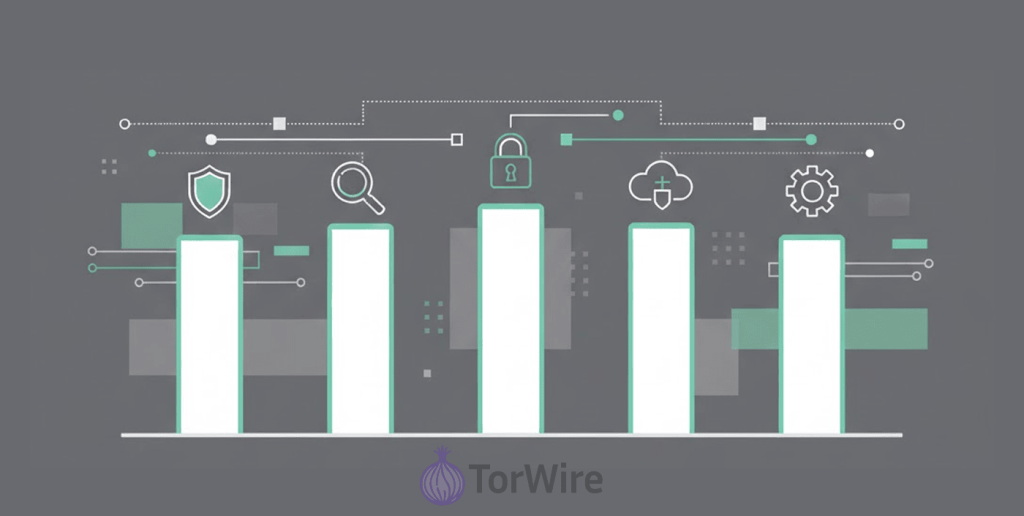
To stay resilient in 2026 and beyond, organizations must shift from reactive defenses to a broader cybersecurity strategy. These five pillars form the basis of a modern, future-ready enterprise security program:
1. Governance and Risk Management
Effective security begins with leadership. So, executive and board teams must lead cybersecurity, align business objectives with risk tolerance, and enforce policies consistently. It also requires collaboration across security, legal, compliance, and operations to manage risk cohesively and transparently.
2. Multi-Layered Defense
As attacks become more complex, no single tool can provide complete protection. A tiered defense approach ensures fallback protection even if a single layer fails. This includes network segmentations, endpoint protection, access controls, user training, and response planning, all coordinated to provide depth and redundancy.
3. Continuous Threat Exposure Management (CTEM)
Instead of traditional static security assessments, organizations should adopt continuous threat exposure management (CTEM) to proactively detect, authenticate, and prioritize vulnerabilities before attacks happen. This delivers continuous insight into real-world risk and enables faster, evidence-based mitigation.
4. Secure Infrastructure and Network Design
As environments become more complex, organizations must redesign their security strategies. So, they should implement zero trust principles, isolate critical systems, and protect hybrid connectivity across on-premises, cloud, and edge assets to ensure there are no weak links.
5. Cloud Security Architecture
Cloud environments require purpose-built security, including clear asset and data-flow visibility, automated policy controls, and enforcement of shared responsibility. With distributed users and dynamic scaling, cloud security must adapt continuously and remain audit-ready.
How to Build and Sustain Cyber Resilience
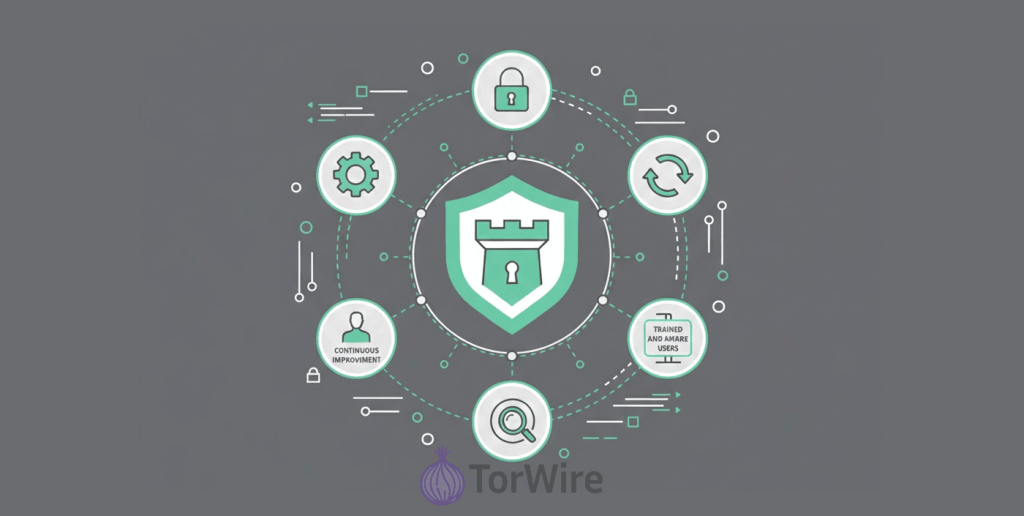
Since cyber resilience will shape enterprise success in 2026 and beyond, organizations must build resilience to withstand attacks, adapt quickly, and recover fast. This requires a comprehensive strategy that involves people, operations, and technology.
1. Human Element
Organizations can’t rely on technology alone for security. A resilient cyber strategy requires fostering a strong security culture, where every employee understands their role in reducing risk and protecting the organization.
Continuous training, clear escalation paths, and phishing simulations can help to ensure employees respond correctly to suspicious activity. Equally, the leadership must play a part by championing cybersecurity, which sets a tone for the entire organization.
2. AI and Automation
Modern cybersecurity operations depend on AI and automation for real-time threat detection, faster response, and removal of manual, error-prone work. It often begins with automated patching to reduce exposure and behavioral analytics to detect unusual activity quickly. Moreover, AI-driven detection and response tools enable teams to act fast and at scale.
3. Integrating Cybersecurity with Business Continuity
Organizations must embed cybersecurity into their continuity frameworks. This includes mapping critical systems, preparing for downtime, and maintaining secure backup and recovery. Building effective resilience means preparing for extreme scenarios and involving security teams in continuity strategies planning.
Cybersecurity Legislative Shifts to Prepare for in 2026
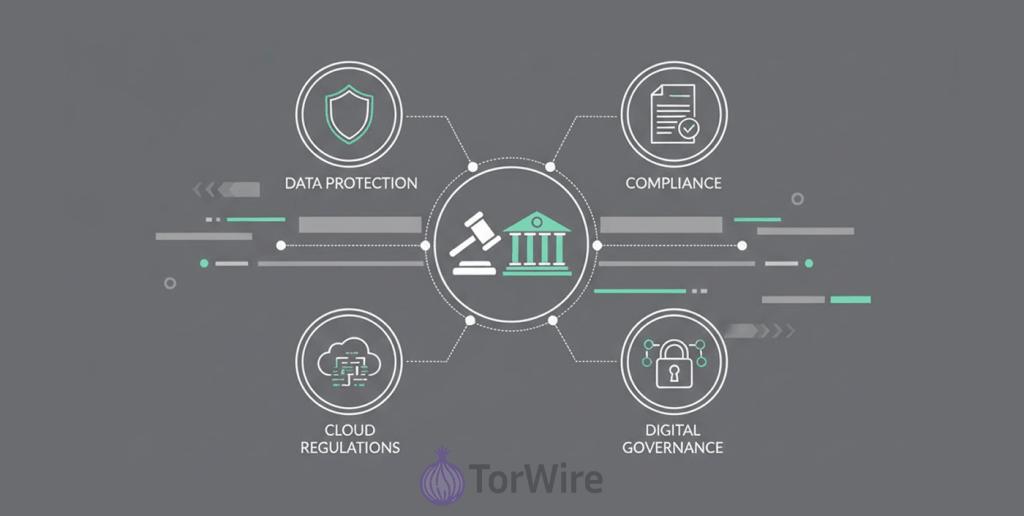
1. UK Cyber Security and Resilience Bill
This bill was introduced in parliament in November 2025 and is expected to become law in 2026. It seeks to significantly expand the scope of the existing NIS framework. For example, it will now include medium and large data centers, Relevant Managed Service Providers (RMSPs), and large load controllers.
The bill will also strengthen incident reporting obligations. For instance, the definition of reportable incident has been broadened to include events with the potential for significant impact. Moreover, organizations must provide an initial notification within 24 hours and a full report within 72 hours. These notifications must adhere to the National Security Center.
2. EU Cyber Resilience Act Reporting Obligations
From 11th September 2026, manufacturers must report actively exploited vulnerabilities and severe cybersecurity incidents for products with digital elements. This covers industrial hardware and software like IoT devices, programmable logic controllers, sensors, and software products such as desktop, web, and mobile apps and operating systems. The scope also includes intelligent consumer devices.
The reporting timelines are also strict. For example, the manufacturer must submit an initial notification within 24 hours, a full report within 72 hours, and a final report within 24 days for an actively exploited vulnerability.
3. EU Digital Identity Wallet (EUDI Wallet)
The EU Digital Identity Wallet (EUDI Wallet) framework is entering the operational stage. Under Regulation (EU) 2024/1183, all EU member states must provide a certified EU Digital Identity Wallet to their citizens and residents by December 2026. Member states must also accept EUDI Wallets from other EU countries.
4. US CIRCIA Deadline
The deadline for completing the cyber incident reporting rules under CIRCIA has been delayed to May 2026. This just affects formal enforcement, as the statutory obligations have been active since the law was passed in 2022.
The Cyber Incident Reporting for Critical Infrastructure Act (CIRCIA) covers the US critical infrastructure landscape, including energy, transport, healthcare, IT, communications, etc. The law aims to enable the federal government to respond faster to major cyber incidents and ransomware activities through timely visibility, coordination, and threat intelligence sharing.
5. China – Major Amendments to Cybersecurity and Cross-Border Data Laws
China is making significant amendments to its Cybersecurity Law and introducing new regulations for cross-border data transfers. Enforcement of the amended Cybersecurity Laws starts on 1st January 2026, while the cross-border data transfer standards start on 1st March 2026.
Personal Cybersecurity Checklist for 2026
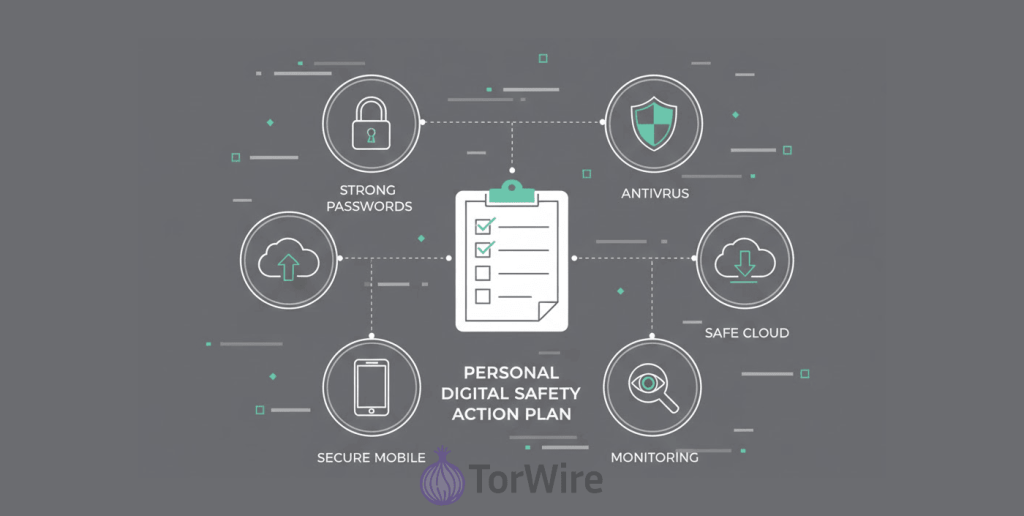
1. Know Your Local Laws
Last year saw the passage of many laws that significantly altered internet use for everyone. So, consult your local legal experts to understand which obligations apply to you or your underage children.
Expect difficult conversations with your kids about the new social media or gaming rules. Keep in mind that some teenagers might rebel and install malware to bypass the restrictions or migrate to unmoderated social platforms.
2. Learn New Ways to Secure Access
Some websites have geoblocked certain countries to avoid dealing with regional compliance requirements. Thankfully, if accessing the content is legal in your country, you can use a VPN to bypass these geoblocks. You only need to connect to a server where the site is available.
However, you need to choose a reliable VPN service that enhances your privacy besides bypassing the geo-restrictions.
3. Prepare for Document Leaks
Most websites use third-party services for age verification. So, during your first login attempt, you’ll be redirected to a different website to complete a check, such as using a bank card, uploading ID or driver’s license, or recording a short video.
This presents a serious risk of data leaks, which is already happening. For example, a contractor used to verify Discord users was recently hit by a data breach. As more websites insist on age verification, the risk of data leaks increases.
4. Master Scammers’ New Playbook
Scammers are likely to use ‘age verification’ as a cover to phish for personal and payment data and spread malware. After all, it’s much easier to cope and paste text instead of uploading a passport photo. Currently, ClickFix attacks hide behind CAPTCHA checks, but age verification is the next likely target.
5. Develop Healthy AI Usage Habits
Even if you dislike AI, it is almost impossible to avoid, as it is being added to nearly every device. As with other accessible conveniences, you should use AI assistants in moderation and avoid addiction.
FAQs
AI-driven security, zero-trust models, stronger data privacy laws, and increased protection for cloud and IoT systems will define cybersecurity today.
AI will help detect threats faster, but it will also be used by attackers to launch more advanced phishing and automated attacks.
AI-powered malware, deepfake scams, supply chain attacks, and ransomware will be major threats.
By using AI-based security tools, training staff, applying zero-trust, and updating systems regularly.
