-
A hacker claims to sell more than 130,000 records linked to Bloomberg on an underground forum.
-
The same seller also lists data tied to Decrypt, CoinBureau, CoinSnacks, and CryptoWeekly.
-
Nobody has confirmed a breach, and the seller shows samples only to buyers in private.
A hacker on an underground forum says they have data linked to Bloomberg for sale. The same seller also lists records tied to four crypto media outlets.
The cybersecurity account Dark Web Intelligence on X shared the claims. Nobody has confirmed a breach so far. The source, truth, and contents of the datasets all remain unclear.
Seller Lists Five Datasets on an Underground Forum
A threat actor is a person or group behind cyberattacks. In this case, the seller advertises five datasets in total. According to Dark Web Intelligence, the Bloomberg database holds more than 130,000 records. The post says the seller got this data about three weeks before the listing appeared.
The report gives no date for the alleged break-in. It also does not explain how the seller got the data. The report names no Bloomberg system that the hacker may have reached. That means nobody knows which part of the company, if any, the data came from.
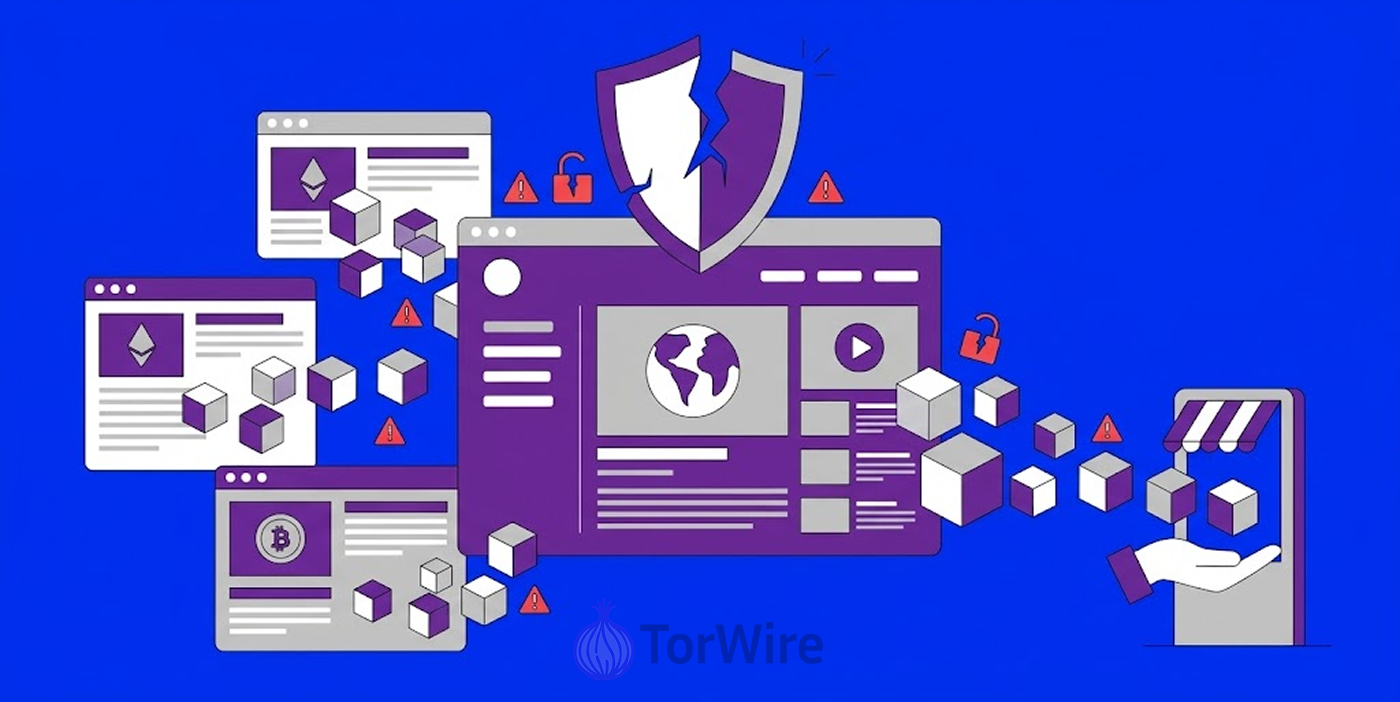
The same seller also advertises four more datasets that the listings link to crypto media outlets. The list includes more than 535,000 records tied to Decrypt. Over 530,000 more records link to CoinBureau. By record count, the Decrypt listing is the largest of all five.
The seller also claims about 300,000 records from CoinSnacks and 186,000 from CryptoWeekly. Together, the four crypto listings add up to more than 1.5 million records.
These numbers come from the seller’s own listings. A record count only shows how many entries a list holds. It does not show how many people are affected. It also does not prove that the seller truly stole the records.
No Public Sample Backs Up the Breach Claims
The seller reportedly offers samples to possible buyers in private. The report found no public sample. Outsiders therefore have nothing they can inspect to test the claims. For now, the seller’s listing is the only source of these claims.
The seller also did not say what kind of information the datasets hold. The report does not say whether they include email addresses, subscriber details, or account information. It is also unclear if the lists contain other personal data. Without these details, the risk to readers is hard to judge.
The available details leave three big questions open. Did the data come from the named companies? Are the records real? Did the seller get them through unauthorized access?
This difference matters. A hacker can put a company’s name in a listing. That alone does not show that the company’s own systems were broken into. Advertised datasets can hold information from public sources, older leaks, scraped websites, or third-party services. Right now, there is not enough evidence to say if any of these fit the listings.
Another case involving reported data exposure is the cyberattack in which hackers leaked data from Hungary’s Mediaworks, highlighting the importance of verifying breach claims and understanding what information was exposed.
As of October 28, 2026, searches for outside coverage found no reliable reports that support these claims. The research also found no official statement from Bloomberg or the four crypto outlets. That does not make the claims false. It only means their accuracy is still unknown.
Until more proof appears, the alleged sale is only a threat intelligence lead. It is not proof of five separate data breaches. Experts would need to check the samples, the seller’s claims, and any official company statements first.
Phishing Risk Lingers for Readers of the Named Outlets
Readers and subscribers of the named outlets should still watch for suspicious messages. Some of these messages may imitate brands they already know. Phishing is a trick in which scammers impersonate a trusted brand to steal private details.
Suppose the datasets hold working contact details. Then bad actors could use them to send convincing phishing emails. They could also send fake subscription notices, false account alerts, or crypto investment offers.
A message that seems to come from a known news outlet could push people to click harmful links. It could also trick them into sharing login details. Some readers might even connect their crypto wallets to fake websites.
Users should not open attachments they did not expect. They should check suspicious messages on the outlet’s official website. If a message feels odd, do not trust the link inside it. They should never type login details after clicking a link in an unwanted email.
Crypto users need extra care too. They should avoid offers that promise investment returns. They should also be careful with any request for wallet access. The named companies have their own first steps. They would need to learn if the data is real. They would also need to find its origin and check whether any systems or third-party services were hit.
The post from Dark Web Intelligence is the main source so far. Readers can watch for official statements from Bloomberg or the four crypto outlets. Those statements would show whether the claims hold up.