-
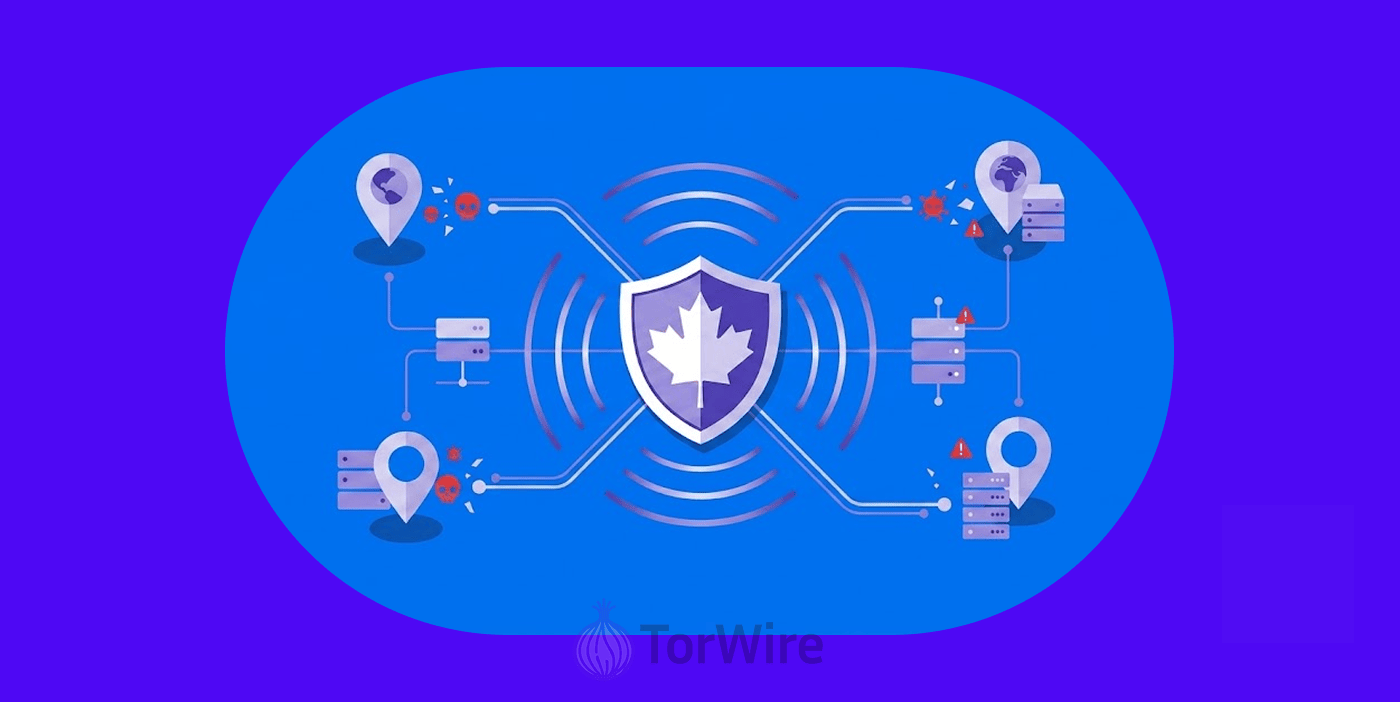
The Canadian intelligence agency conducted three overseas offensive cyber operations to protect national security.
-
The digital strikes successfully disabled a ransomware-as-a-service network and destroyed data on extortionist servers.
-
State agents also dismantled an online supply network for fentanyl ingredients and stopped an extremist recruitment drive.
The top-secret computer spy group in Canada recently admitted to launching several online attacks against overseas criminals. They shared these rare details in a fresh public report about their national safety activities.
The government agency directed its resources against three main categories of criminals operating throughout the globe: drug traffickers, violent radicals, and a criminal syndicate that specializes in online blackmailing.
This public announcement gives everyday people a rare look into how modern state spies fight digital dangers. The workers aim to protect local networks and shield citizens from serious harm coming from abroad.
Stopping the Flow of Deadly Illegal Chemicals
Canada’s top secret computer spy group is the Communications Security Establishment. People frequently call this group the CSE. They handle foreign spying tasks and protect official government computers. According to their latest public update, workers completed three major overseas digital attacks last year. The agency officially labels these specific actions as active cyber operations.
One major operation targeted sketchy dealers operating outside the borders of Canada. These bad actors handled the sale of dangerous raw chemicals. Drug suppliers specifically use these base ingredients to manufacture a deadly artificial drug called fentanyl. The potent substance causes thousands of tragic deaths across North America every single year.
The state agents began their work by quietly monitoring the electronic communication of these chemical brokers. They gathered helpful tracking data about how the sellers moved their products across international lines.
After learning their secrets, the digital teams launched a direct network counterattack. This move successfully disrupted the daily operations of the criminals. It also severely limited their ability to distribute the dangerous chemical ingredients to underground factories.
Crushing Extreme Groups and Erasing Corporate Extortion Tools
The second major digital operation dealt with a radical group based in a foreign country. This organization actively used internet websites to spread violent messages and hate speech. They also tried to convince local Canadian citizens to join their dangerous cause.
The state spies responded by gathering special signals intelligence from internet-connected devices. This method involves picking up electronic data waves traveling through space and phone wires.
The security workers carefully studied the setup of the radical group to find weak spots. They analyzed how the members communicated and where they hosted their propaganda websites. Soon after, the tech specialists launched an aggressive network assault against the group.
This action successfully damaged the public reputation of the extremist organization. It also stopped them from radicalizing new members or expanding their dangerous footprint inside Canada.
The third major attack hit a dangerous corporate extortion ring. Experts call this type of setup a ransomware-as-a-service operation. In this model, top developers rent out malicious locking software to amateur hackers.
The borrowers then use these digital tools to freeze computers and demand huge cash payouts. The target group repeatedly attacked important networks like hospitals, transit lines, and private businesses inside Canada.
Canadian organizations face various cyber threats, Canada Crime Stoppers is currently investigating a cyber incident at its anonymous tip platform.
The special tracking unit was able to determine how the extortionists operated their business on a daily basis. They tracked the locations of the most powerful computers that the extortionists use in running their operations.
After that, the agents of the state organization made a huge attack, which brought down the entire infrastructure of the gang. The system became fully useless for the members of the gang after the attack.
To inflict maximum damage, investigators wiped off huge piles of stolen data from the servers of the gang. They also executed smaller technical strikes against ten other major extortion teams to break their gear.
Helping Friends and Fighting Daily Computer Traps
Sharing details about state-backed network hacking remains highly unusual for any international intelligence group. Most secret services keep their digital tools hidden from the public eye. They fear that sharing information will allow their enemies to fix their security flaws. However, Canada chose to release these facts to prove it is actively defending their borders.
Other close allies use similar aggressive tactics to keep their local networks safe from foreign threats. For example, the United States military operates a specialized group called Cyber Command, this team regularly sends expert units to friendly countries to look for hidden network bugs. Officials call these cooperative security trips hunt-forward operations. The number of these friendly missions rose dramatically from just a few in 2018 to over two dozen recently.
The Canadian agency also completed one major defensive operation closer to home last year. They targeted a massive digital trap known as a phishing campaign. The anonymous scammers sent out fake electronic messages to trick workers in the federal government.
The bad actors hoped to steal secret passwords and access important state filing networks. The agency stepped in quickly and broke the machinery behind the email scam. This intervention successfully degraded the ability of the crooks to target regular Canadian citizens.
