-
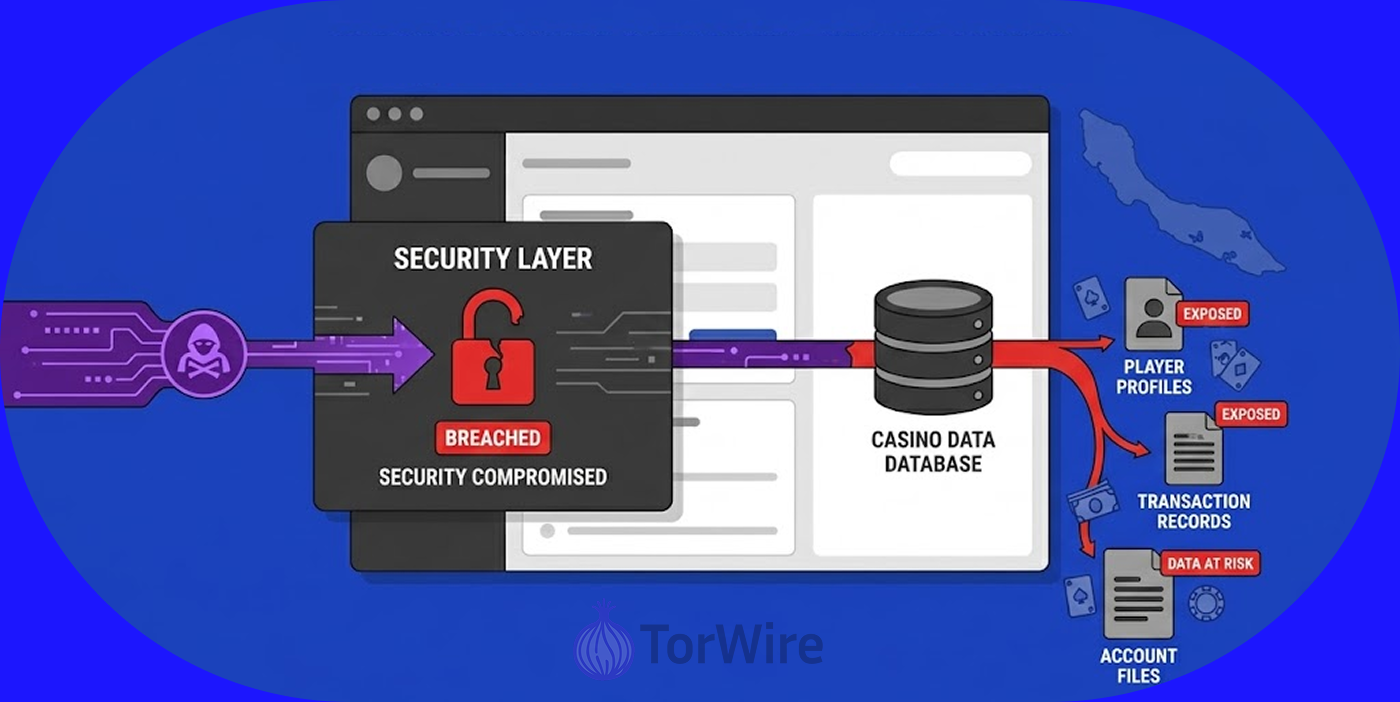
The Curaçao Gaming Authority (CGA) confirmed unauthorized access to its online gaming portal on September 17.
-
The breach has raised fears that sensitive data belonging to casino operators and licensees may have been exposed.
-
Investigators have not yet confirmed what information, if any, was actually accessed.
The Curaçao Gaming Authority (CGA) is looking into a security breach of its online gaming portal. The incident has raised serious concerns across the crypto gambling world. The regulator handles highly sensitive information as part of its licensing work, making the breach especially worrying.
The CGA publicly disclosed the incident on September 17. It confirmed that unauthorized access had occurred. Officials also said they had identified the source and contained the threat. However, the full scope of what happened remains unclear.
CGA Holds Sensitive Data on Casino Operators
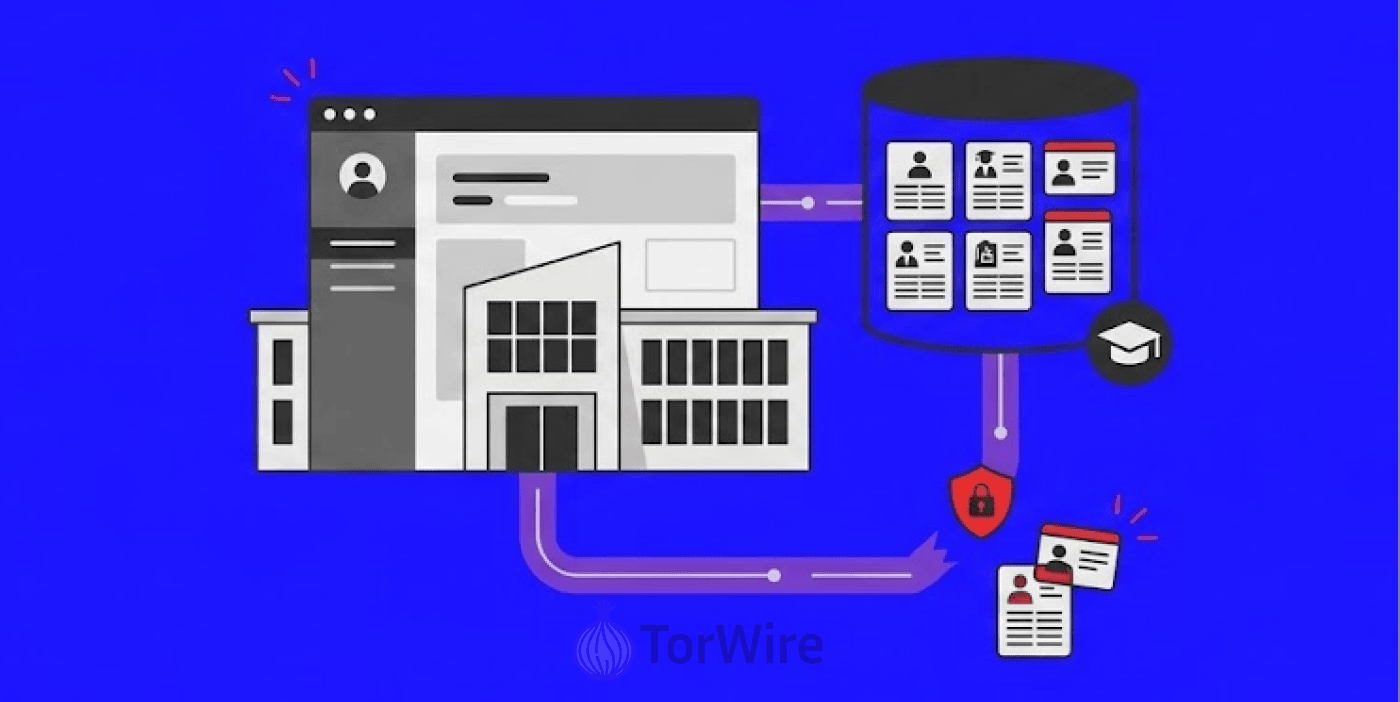
To understand why this matters, you need to know what kind of information the CGA stores. As a licensing and regulatory body, it collects a lot of private data. According to its privacy statement, this includes copies of identity documents, names, home addresses, financial records, and criminal background data. It also covers details about casino owners, directors, shareholders, and other key individuals tied to licensed operators.
That is a significant amount of sensitive material. If any of it was accessed, the consequences for those involved could be serious. However, the CGA has not confirmed that any of these records were stolen or even viewed. The investigation is still ongoing.
The authority said it activated incident response procedures as soon as it detected the unauthorized access. Its service provider joined in those efforts. A forensic investigation is now underway to figure out exactly what happened. The CGA also noted that its core technical systems were not compromised. It has since added extra monitoring and security measures while the investigation continues.
Online Speculation Grows, but No Leak Confirmed Yet
The breach quickly caught the attention of the crypto gambling community. According to Protos, users on X (formerly Twitter) began discussing the possibility that identity documents belonging to casino-linked individuals could have been exposed. Some suggested that crypto casino operators might eventually be “doxxed,” meaning their private information could be made public without their consent.
These conversations have spread fast. But it is important to note that no public evidence currently confirms a data leak. No stolen records have surfaced online. No individual has come forward with proof that their information was taken.
Similar claims can appear in other sectors without supporting evidence. For example, a threat actor claimed a GrabCraft Minecraft database breach, but provided no evidence to confirm that the database had actually been compromised. The speculation is understandable given the sensitivity of the data the CGA holds, but it remains unverified at this point.
The CGA has been clear about its position. The regulator says that if its investigation finds that information belonging to any applicants, licensees, or other connected parties was affected, those individuals will be notified directly. It said this would be done in line with all relevant legal and regulatory requirements.
Breach Hits During Major Regulatory Shift in Curaçao
The timing of this incident adds another layer of significance. Curaçao’s gambling sector recently moved under a new regulatory framework. The National Ordinance on Games of Chance came into force in December 2024. Under this new law, the CGA took on full responsibility for licensing and overseeing the country’s online gaming industry. The breach now lands right in the middle of that transition period.
The central question remains unanswered. What information, if any, did the unauthorized party actually access? Until the CGA wraps up its forensic investigation and shares further findings, the full picture stays incomplete. Claims that casino owners have already had their personal data stolen or exposed remain unconfirmed.
The CGA said it will share more information as the investigation moves forward and when it is appropriate to do so.
For now, operators licensed under the CGA and individuals connected to those licenses are waiting. The regulator has contained the breach and is working to understand its impact. But until that work is done, the true consequences of this incident remain unknown.