-
A political hacker group launched massive traffic blocking attacks against multiple major government web platforms throughout Germany.
-
The digital raid temporarily paralyzed essential public services, including the national ELSTER tax system and regional ministry portals.
-
Computer defense teams are actively using filtering tools to neutralize the artificial traffic waves and restore normal website functions.
A notorious gang of internet troublemakers named the Dark Storm Team claims to have struck several prominent official websites in Germany. Consequently, this coordinated digital assault has caused severe connectivity issues for everyday citizens trying to access essential public services.
The malicious actors targeted a wide range of administrative platforms. These networks include the national tax filing system alongside multiple regional ministry portals that handle critical digital innovation projects.
Fortunately, local network defense teams are currently working to block the malicious traffic floods. Meanwhile, federal computer experts are monitoring the situation closely, this is to ensure that no private citizen data was stolen during the raid.
Inside the Massive Traffic Floods Trapping Popular German Administrative Portals
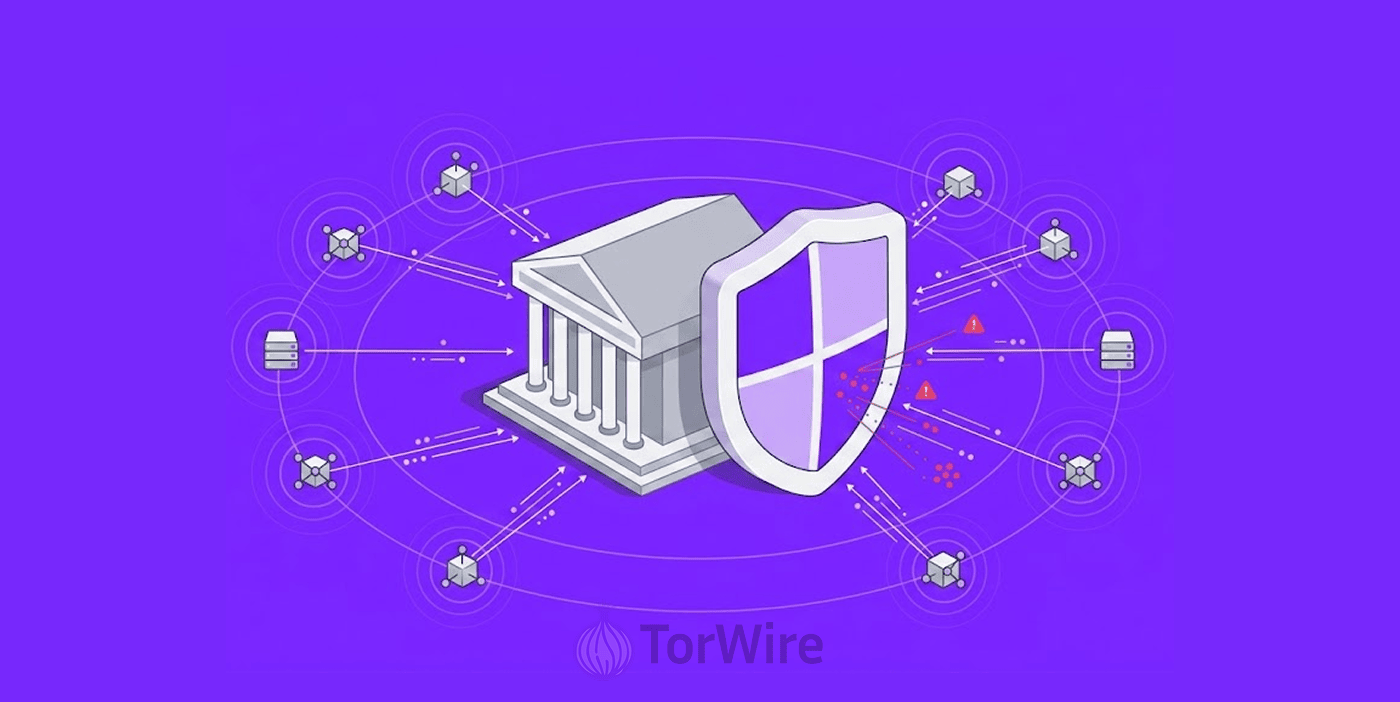
The digital criminal group utilized a common electronic disruption method known as a distributed denial of service attack. To explain this simply, the hackers command thousands of infected computers to visit a single website simultaneously.
This sudden tidal wave of artificial traffic completely overloads the target network. Therefore, the website crashes because it cannot handle so many requests at the exact same moment.
One of the primary victims of this wave was the official tax management portal known as ELSTER. Millions of residents rely on this specific platform to submit their annual income forms and business filings securely.
Furthermore, the hackers hit the official Bavarian eProcurement platform, which local companies use to bid for lucrative state construction projects. By knocking this portal offline, the criminals managed to freeze important local economic transactions for several hours.
Additionally, the disruption spread to smaller municipal networks like the Landkreis Saalekreis regional district office files. The group even managed to paralyze the main portal for the Hessian Ministry for Digitalization and Innovation.
Finally, the attackers flooded the online network belonging to the massive State of North Rhine-Westphalia. This main administrative directory handles all public announcements regarding national crisis management.
The Geopolitical Motivations Driving Modern Global Hacktivist Operations
Internet safety analysts note that the Dark Storm Team operates as a politically motivated group of digital vandals. Unlike traditional hacker enemies, who attack others merely to obtain easy money, these groups attack for political reasons.
Hence, experts refer to this phenomenon as hacktivism, which involves the use of hacking skills for public noise-making purposes. Other cybercriminal groups are using different methods; hackers have been impersonating IT staff on Microsoft Teams to deliver malware. Thus, the main purpose of the group is to create disruption and humiliate the top governments of the world.
The group frequently aligns its digital operations with international political disputes across Europe and the Middle East. For example, they often partner with other pro-Russian digital gangs to punish nations that support Western alliances. Since Germany stands as one of the largest economic powers in the European region, it also represents a prime target for these groups.
Consequently, these political traffic attacks have surged dramatically over the past twelve months. Many foreign threat actors now view website disruption as a cheap and highly effective way to spread fear. When a government portal goes dark, regular citizens often worry that their secret files are under enemy control.
However, these traffic floods rarely break through the actual security vaults where private details live. Instead, they merely block the front door to the building, leaving the internal data rooms completely safe.
Crucial Defense Barriers Needed to Guard Essential Public Internet Utilities
To stop these continuous traffic floods, major public institutions must upgrade their electronic defense shields immediately. Specifically, organizations must deploy specialized filtering systems that can distinguish between real human visitors and automated hacker computers.
These smart filters act like digital security guards standing at the entrance of a busy stadium. They quickly turn away the bad traffic waves while letting regular citizens enter the website without any delay.
In addition, network administrators should make sure that every piece of software available to the public receives all the latest security updates. Hackers are always looking for obsolete bugs in a website’s code to enhance their spamming activities.
Thus, there is a great need for regular audits of the system, which can be helpful in identifying and eliminating hidden vulnerabilities before they become tools for criminal objectives.
Moreover, individual citizens can protect themselves by remaining highly alert during these public network outages. When a major official system like ELSTER goes offline, scammers often send fake text messages to trick confused users.
They claim that you must click an unusual link to fix a sudden tax problem immediately. Therefore, you should never share your secret login phrases or account details during an ongoing computer crisis. By keeping your calm and verifying all official web addresses, you can easily keep your personal records safe from harm.
