-
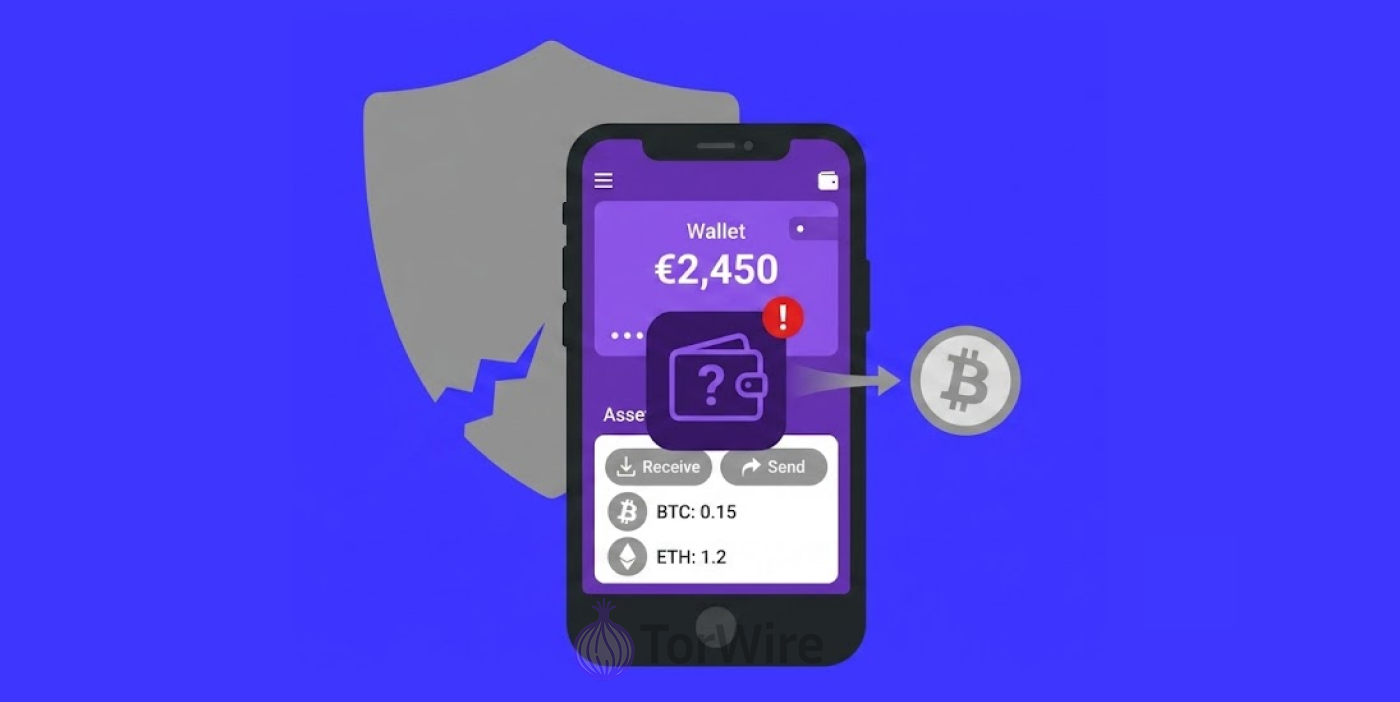
A fake Wasabi Wallet app on Apple’s App Store allegedly drained about 6 BTC from one user.
-
The listing is the 27th fake crypto wallet clone found on the App Store this year.
-
X users are slamming Apple’s App Store review process after the news broke.
A fake version of Wasabi Wallet reportedly showed up on Apple’s App Store and cost one user around 6 BTC. The original report came from an X post that tracks crypto scam activity. News of the loss has triggered fresh anger online about how fake finance apps keep slipping past Apple’s checks.
A Fake Wallet Steals Real Bitcoin
The app appeared under the name “Wasabi Bitcoin & Crypto Wallet.” It lets users create a new wallet or bring in an old one using a recovery phrase.
The real App Store listing shows the developer as zkSNACKs, though the real Wasabi Wallet team has never released an official mobile app. User comments on the listing warn buyers to check Wasabi’s real website first, since zkSNACKs is not actually behind this app.
According to the report, one user lost close to 6 BTC after using the fake app. No major security firm has confirmed the exact details of how the theft happened yet.
Still, the case adds to a growing list of copycat wallet apps making it onto Apple’s store. This fake Wasabi listing marks the 27th wallet clone spotted on the App Store this year alone.
Part of a Bigger Pattern of Fake Wallets
This is not an isolated case. In April, cybersecurity firm Kaspersky uncovered 26 separate fake wallet apps hiding on the App Store. According to Kaspersky’s official report, those apps copied the look of real wallets like MetaMask, Ledger, Trust Wallet, TokenPocket, Coinbase, Bitpie, and imToken.
Once opened, the fake apps pushed users toward phishing pages built to look like the real App Store. From there, victims downloaded a second, poisoned app built to steal their funds.
Kaspersky said the campaign had been running since at least fall 2025. Researchers linked it, with moderate confidence, to the group behind an iOS malware strain called SparkKitty. Most of the fake apps targeted users in China, but the method could work against anyone worldwide.
Other cases this year back up the pattern too. A musician known as G. Love lost close to 6 BTC through a fake Ledger app earlier in 2026. Separately, three users sued Apple in July after losing a combined $1.8 million to a fake Sparrow Wallet clone. Fake wallet apps, it seems, keep finding new ways onto the App Store.
Users Slam Apple’s App Review Process
The Wasabi Wallet case sparked a wave of frustration on X. Many users questioned how a fake finance app keeps passing Apple’s checks.
One user, Tushant Suneja, pointed out that 27 wallet clones in a single year is an alarming number and questioned what Apple’s vetting for finance apps actually involves.
Another user, Predictbook, noted the irony of Apple pulling other apps over a single unverified tip, while fake wallet apps stay listed. The user also questioned why anyone would trust a wallet app with $400,000 right away.
Dave Roque argued that Apple still takes its usual cut from app sales, even while users absorb the losses from scams. He suggested the App Store’s vetting has grown weaker over time. Ali Sherief raised a similar concern, asking why Apple approves fake apps like this one, while sometimes removing real apps mistaken for clones.
User Kinjersai echoed the same frustration, asking how these apps pass through Apple’s review system in the first place. Another user, Mich, called it just another example of a fake app slipping through an official store, tying it to Apple’s ongoing lawsuit over the Sparrow Wallet incident.
The pattern is now hard to ignore. Fake wallet apps keep reaching real users through a store built on trust. Until Apple tightens its review process, experts and users alike are urging extra caution.
The challenge of keeping fraudulent apps out of official stores is not unique to Apple Google Play has also struggled with similar issues, as demonstrated by a recent ESET discovery of 28 apps that collectively defrauded millions through a fake call history scam.
Anyone downloading a crypto wallet app should double-check the developer name, cross-reference it with the official project website, and avoid entering a recovery phrase into any app they can’t fully verify first.
