-
Australian authorities have penalized FIIG Securities for failures in cybersecurity.
-
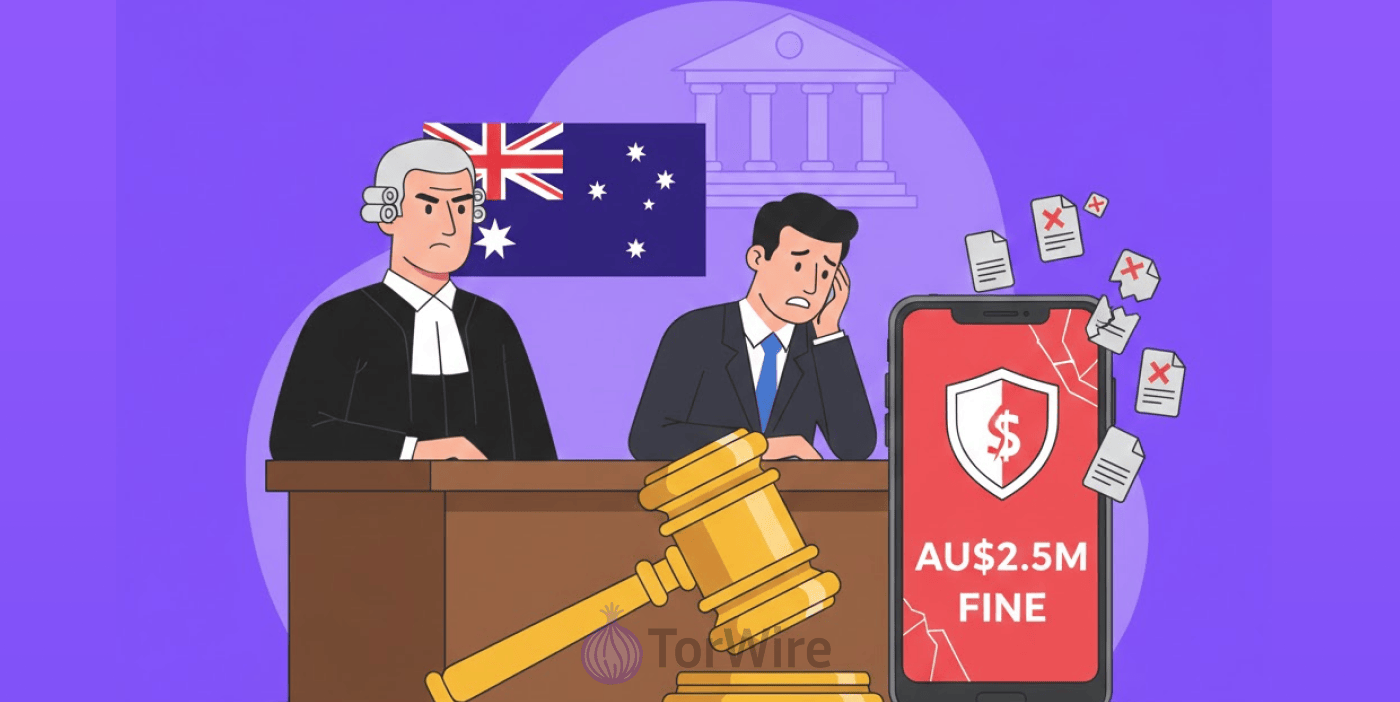
The incident, which marks the first of penalties for cybersecurity failures, will see the company paying a fine of about $2.5 million.
-
This move is part of the ASIC’s regulations for all companies that hold an Australian Financial Services license.
An Australian federal court fined FIIG Securities Limited $2.5 million for failing to adequately protect its clients from cyber threats. The use of ransomware to compromise the firm’s computer system exposed a significant amount of confidential client information.
The Federal Court fined FIIG following civil litigation filed by the Australian Securities and Investments Commission (ASIC) over the incident.
This incident marks a historic event in Australian law because it is the first time any federal court has fined a company holding an Australian Financial Services (AFS) license under the provisions relating to cybersecurity. Also, it reflects the regulations required of Australian financial institutions and their ability to manage customer risk and secure customer data appropriately.
In addition to the penalty, the court has ordered FIIG to pay $500,000 towards ASIC’s legal expenses. ASIC is seeking to have the company improve its cyber protection and make enhancements to its systems to prevent future incidents.
What Went Wrong and What Data Was Taken
FIIG faces punitive measures following a 2023 hacker attack that stole roughly 385 gigabytes of client data from about 18,000 clients, which has since been posted online. The stolen data comprises driver’s license numbers, passport details, bank accounts info, tax file numbers, and many other sensitive pieces of data.
FIIG acknowledged failing to follow its cybersecurity procedures and stated that adhering to its policies and implementing proper measures earlier could have detected the breach sooner and saved the data.
Sarah Court, Deputy Chair of ASIC, indicated that the frequency and sophistication of cyber-attacks continue to intensify, and the need for all businesses to implement appropriate security practices on a daily basis should be a top priority for all businesses that have sensitive client information, not simply when a business has experienced a security breach.
Why This Case Matters for Other Companies
ASIC’s move against FIIG isn’t just about punishing one company. It conveys that all licensed financial services need to take cybersecurity seriously in the eyes of regulators. Companies can expect penalties if they do not meet these expectations.
This regulatory urgency is a direct response to a surging global wave of corporate data breaches, where stolen information is routinely dumped on the dark web, magnifying the financial and reputational damage.
The cybersecurity problems created by FIIG occurred over a prolonged period from March 2019 to June 2023. During this time, FIIG did not maintain its IT systems updates, had insufficient staff to deal with cyber threats (i.e., the majority of FIIG staff did not have training in cybersecurity), nor did FIIG have a comprehensive Cybersecurity Risk Management Plan. These weaknesses allowed intruders greater access into FIIG’s network without detection, long enough to obtain FIIG’s data.
The theft and sale of information on the dark web have troubling consequences. While the dark web is a small section of the internet, it hosts a lot of trade in illicit products and stolen data. If someone posts their personal information, such as their passport number or bank account number, they may become victims of identity theft and/or fraud. The US Federal Trade Commission (FTC) warns that misused personal data from breaches can lead to costly scams.
ASIC also required FIIG to bring in an independent expert to check its cybersecurity systems and help build stronger defenses. FIIG implemented this to reduce the risk of similar attacks in the future and protect its clients.
What Other Firms Should Learn from This
This situation reminds businesses everywhere not to overlook cybersecurity. In fact, cyberspace risks are dynamic and change at any given time. Any business with digital data is subject to cybersecurity risks.
The Australian Cyber Security Centre provides guidance for businesses on preparing for an attack; regular conduct of security audits and safety checks by independent people; regular cybersecurity training for employees; and regularly updating system software & application packages.
Companies in many countries are now under scrutiny of regulators regarding how they protect users’ data. For example, the US SEC has sued multiple companies over cybersecurity deficiencies, suggesting this trend extends beyond individual jurisdictions.
This scrutiny forms one pillar of a broader legal response, which also includes increasingly severe criminal penalties for the individuals who carry out these intrusions.
As noted above in this case, customers are also to remain vigilant regarding their sensitivity for personal data. They should monitor their bank accounts, check for evidence of fraud, and manage login passwords of their online accounts by using complicated and unique passwords.
