-
Foreign cyber actors have set their sights on crucial infrastructure in the US, with an emphasis on power grids, digital communication, and city-owned water works.
-
Over 100 water and wastewater facilities faced cyber probes in July alone, with federal probes covering incidents across at least seven states.
-
Security agencies urge public utilities to disconnect industrial control systems from the open internet and update default device credentials immediately.
Cybersecurity threats have taken a serious turn across the United States. Foreign state actors are now focusing their digital attacks directly on essential public utilities.
Federal investigators recently warned about aggressive probes hitting multiple vital sectors. These digital intrusions focus on municipal facilities that supply power, communications, and clean water to millions of Americans.
Widespread Cyber Incursions Hit Critical Municipal Facilities
Digital warfare is shifting rapidly toward physical infrastructure assets. State-backed actors are actively scanning internet-exposed networks that control local community services. Intelligence reports indicate these foreign operatives want to compromise vital networks, including telecommunications and regional power grids.
So far, security protocols have prevented disastrous failures across the impacted utility networks. However, the sheer volume of probe attempts demonstrates a clear intent to disrupt essential everyday services.
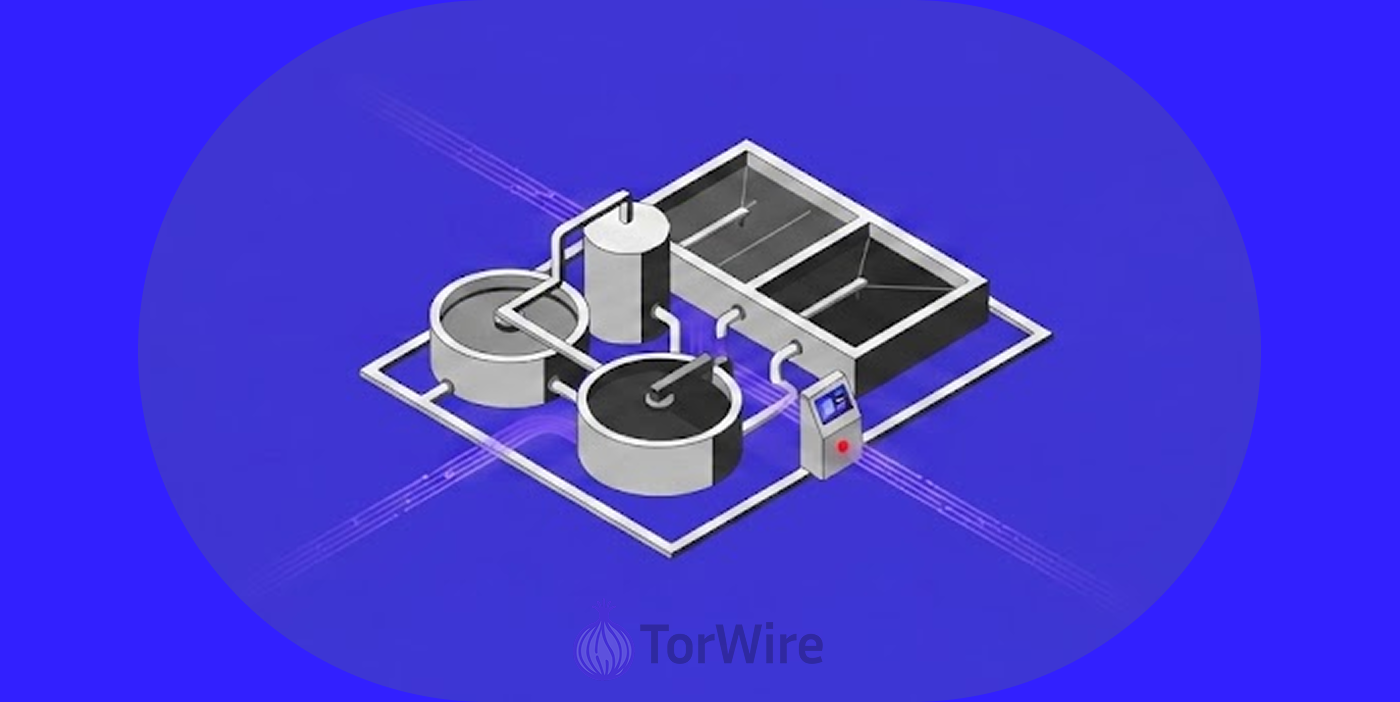
The primary target during recent digital campaigns remains the water and wastewater sector. During July alone, malicious actors targeted remote operating systems at more than 100 water utilities nationwide. Hackers specifically look for equipment connected directly to the web without adequate defensive firewalls.
Federal investigators confirmed that these scans help bad actors map out entry points for potential destructive actions later. Consequently, infrastructure administrators must act quickly to patch vulnerable assets before adversaries find usable pathways.
Furthermore, these digital campaigns align with explicit public warnings from foreign threat channels. Operators associated with state cyber teams issued direct statements on messaging channels, threatening American public facilities.
They claimed these actions serve as direct retaliation against current diplomatic and military actions. Consequently, security experts are urging utility companies to strengthen their operational technology boundaries right away.
Federal Agencies Investigate Multi-State Water System Breaches
The Federal Bureau of Investigation, alongside federal security partners, opened active cases in response to coordinated intrusions. Investigators are tracking incidents across at least seven different states where equipment suffered unauthorized access.
These attacks centered on industrial control units that manage physical plant machinery remotely. In several cases, operators temporarily lost visibility into their daily treatment and distribution operations.
Minnesota experienced a major concentration of these malicious digital efforts. State officials confirmed that hackers targeted control technology at over 30 municipal water facilities. Affected utilities included smaller rural systems as well as larger suburban networks.
The Andover, Massachusetts, cyberattack disrupted municipal and school systems for four days, forcing officials to take email offline and bring in cybersecurity experts. Public safety and utilities remained operational.
To isolate the threat, technical teams disconnected infected devices from public cellular networks. Additionally, some plant managers had to switch operations over to manual control modes to maintain continuous service.
Besides Minnesota, water authorities in places like Michigan and Georgia detected similar unauthorized network entries. Attackers manipulated internal settings, changed access credentials, and altered system control logic on remote hardware.
Additionally, lost monitoring capabilities occasionally led to unexpected pressure drops or equipment shutdowns within affected distribution networks. Federal safety updates on the FBI Official Website stress that utilities must change default administrative passwords immediately to stop basic intrusion scripts.
Exploiting Vulnerabilities in Industrial Operational Technology
The underlying security issue across these public sector facilities involves exposed industrial hardware. The municipal plants do depend on leveraging programmable logic controllers to handle the operation of the pumps, valves, and chemical dosing.
Once the operators connect these controllers to the internet for remote access, they make them vulnerable to hackers who can access their systems. In fact, hackers frequently use automated scripts to search the web for unprotected utility hardware.
Smaller local entities face the highest risk because they lack dedicated cybersecurity budgets. The local authorities that control the municipal utilities are generally working on tight budgets and fail to hire cybersecurity specialists.
Therefore, the software updates are lagging, and the vendors may forget to disable default login names and passwords. Hackers can use this negligence to hack into the systems of these utilities without any special equipment.
To reduce immediate risks, federal security advisors recommend taking non-essential control devices completely offline. The official CISA Security Guidance page provides detailed frameworks for separating operational technology from standard business networks.
It is essential that administrators make use of multi-factor authentication, shut down unused ports on network devices, and analyze traffic on systems. By doing so, utility managers will safeguard vital infrastructure from persistent cybersecurity threats originating from foreign countries.