-
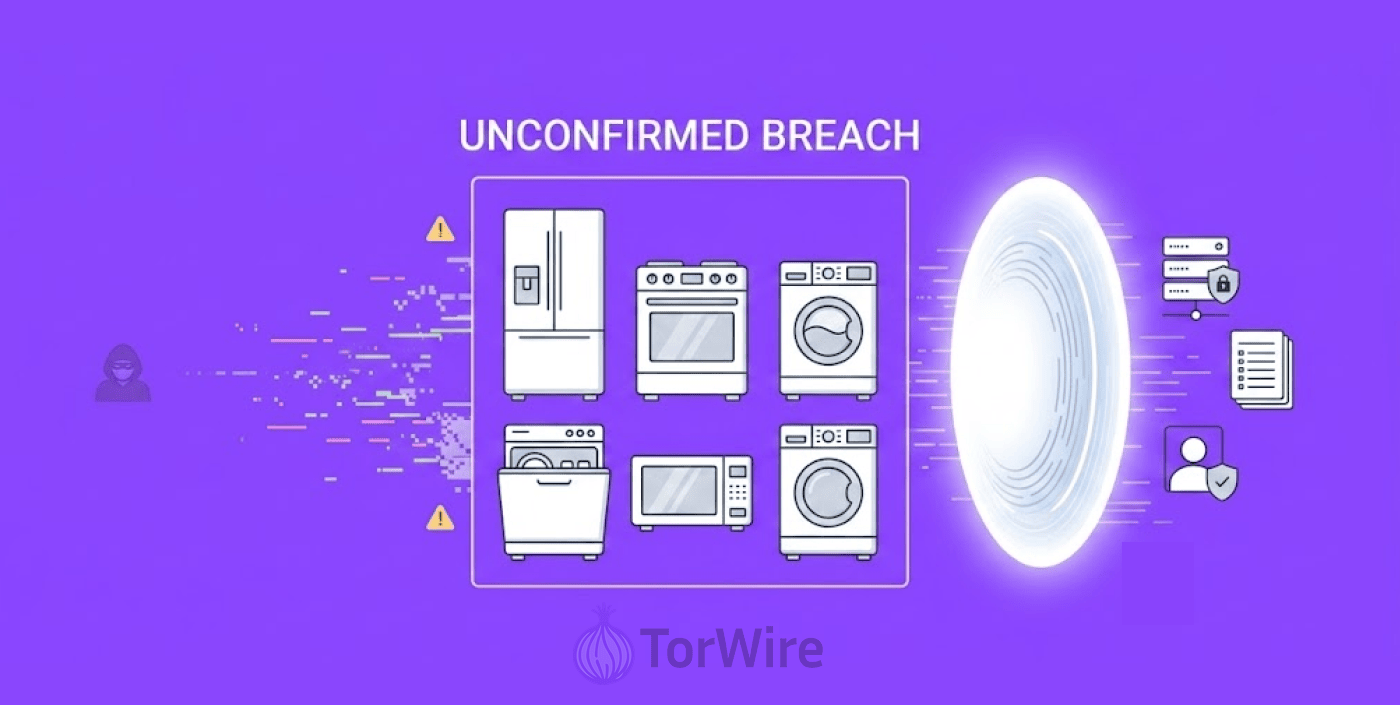
A ransomware gang called Chaos claims they have hacked Coast Appliances, but offered no proof or samples of stolen data.
-
This group’s malware is unique, it doesn’t just lock files with encryption; they can set it up to erase the data as well.
-
They haven’t made their ransom demand public yet, and no one has verified if the claims are true.
The Chaos ransomware group recently listed home appliance company Coast Appliances in a dark web forum post as one of their latest victims.
But so far, there is no proof that their claims are true since they didn’t provide any data samples.
The Vague Cyber Attack Claim
First reported on April 14, the attackers allegedly targeted Canada-based Coast Appliances that deals in retail sales of refrigerators, feezers and washing machines.
The hackers describe the products but share zero evidence of stolen data. They haven’t posted customer records, internal files, or even a single screenshot. They also haven’t announced a ransom demand.
Chaos isn’t popular like other groups, such as LockBit or Clop. They’ve been stirring trouble since at least 2021. Cisco Talos Intelligence pointed out that Chaos started off with some basic ransomware, but they later leveled up to more advanced variants. Interestingly, Chaos’ ransomware does not only encrypt files, it can wipe them out, too.
The group keeps a low profile. Public research on their tools is sparse. Their victim count is small compared to major ransomware cartels. That could mean they move slowly or pick targets that don’t make headlines. Experts believe Chaos likely relies on common tricks like phishing emails or stolen passwords to break into networks.
What’s at Stake for Coast Appliances and Its Customers
If eventually these claims are legit, Coast Appliances is in for a rough ride. Its brand reputation could tank, operations could be disrupted, and they could face legal and regulatory issues like fines and lawsuits.
There’s also the issue of customer data, like names, order history, and even payment details, floating around out there. Employee records might also be at risk. But again, this is all guesswork since the hackers haven’t posted any sample.
And for regular shoppers? It’s a buffet for scammers. They could conjure up identity theft and phishing emails in attempts to rip people off. When criminals steal your info, you might want to start watching your inbox like a hawk and check those bank statements.
That said, nobody’s shown actual proof yet to confirm the incident so panic is low. The biggest hit right now is reputational. Wondering if your personal info is safe? Keep an eye on the Chaos leak site.
If the group wants to be taken seriously, they will likely post data samples soon. Also, watch for an official statement from Coast Appliances. And if they eventually confirm that the breach happened, they’ll notify affected customers and regulators as well.
But until someone actually proves it’s real, don’t panic just yet. Ransomware groups often bluff to freak companies out to get money from them. However, that doesn’t mean you should ignore it completely.
Appropriate Security Actions to Take
It doesn’t matter whether you’re a huge corporation or just a small business. Ransomware targets everyone these days. So, everyone needs to stay alert.
Sign up for continuous dark web monitoring services. This will monitor shady corners of the internet for your leaked files, passwords, and even threat actor discussions about which companies they’ll target next, etc. By doing so, you’re one step ahead and ready for when trouble comes knocking.
Do a compromise assessment, like launching a full incident review right away to figure out exactly how the hackers got in and what they laid their hands on. Also, check if the attackers left any active backdoors.
Test your backups to ensure they’re current and working. No point having backups from six months ago. And locked down the backup with encryption and kept it offline. Using immutable backup solutions would be an added advantage. They prevent ransomware from encrypting or deleting your files.
Don’t forget threat intelligence. Hook up your SIEM or XDR with external threat feeds so you can get alerts in real time and have better correlation.
Harden your employees security-wise. Conduct regular phishing simulations so they get conversant with spotting phishing tricks. Enable MFA everywhere possible. Weak passwords make things easier for attackers, and avoid reusing the same passwords everywhere. That’s how credential stuffing attempts succeed when hackers use recycled logins they found on dark web data dumps.
The risks of exposed credentials are not theoretical, a recent Integra Credit data breach exposed 134,000 customer phone numbers, demonstrating how financial institutions can suffer significant data leaks that put customer information at risk of identity theft and fraud, highlighting the importance of robust security measures for all organizations.
And last but not least, bring in professionals, incident response teams, threat analysts, even a lawyer who knows their onions when it comes to cyber breaches. Put these in place before thinking about responding to ransom demands or contacting the hackers.
