-
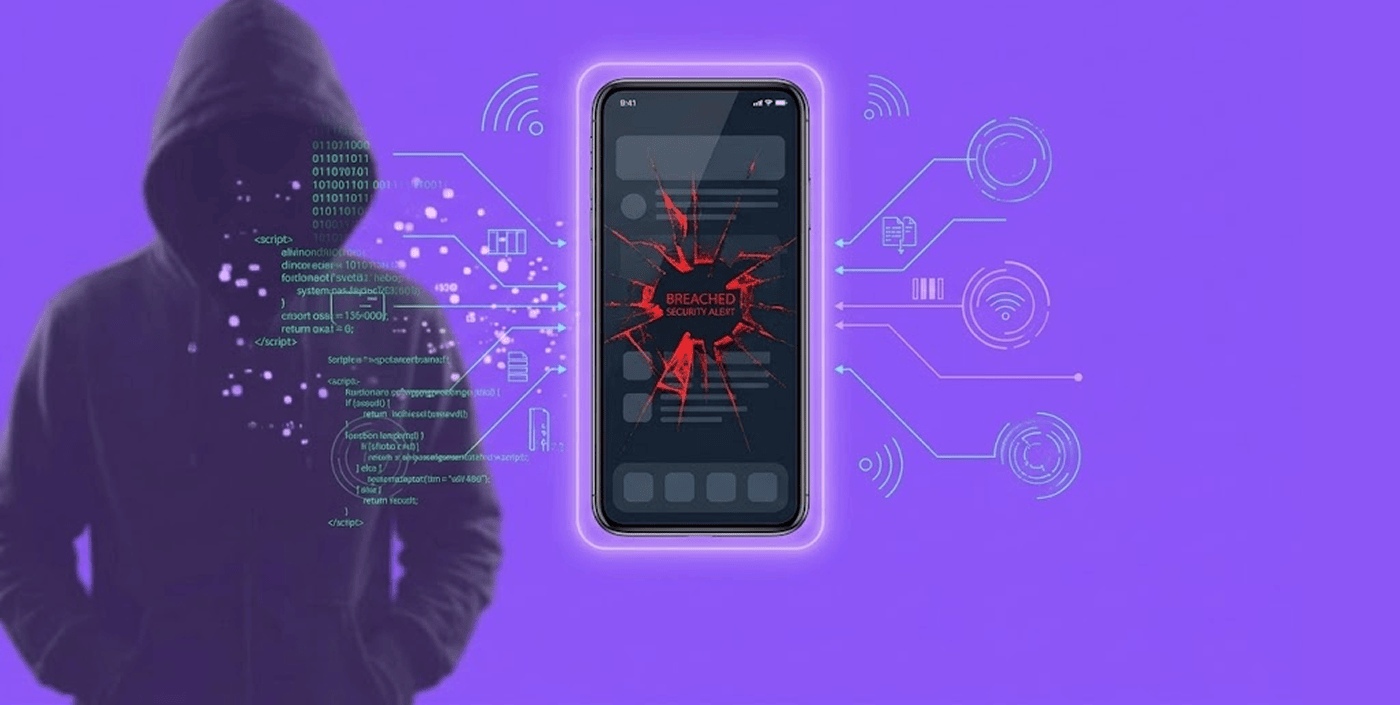
A hacker selling a full-chain zero-day exploit for iOS 26 claims it grants root access without any user interaction.
-
The attack works by sending a malformed message, making it a “zero-click” threat that bypasses Apple’s Multi-Layer Protection.
-
The seller wants a single buyer, like a nation-state, and experts say the exploit leaves no visible crash or prompts.
Apple iPhones are pretty safe from most hacks. But a new report just changed that picture.
A dark web user named ResearcherX says a major iOS 26 exploit is now up for sale.
New Zero-Click Exploit Targets iPhone Users
A recent report from ResearcherX raised concerns about a “full-chain zero-day exploit” targeting the latest iOS operating system, iOS 26. A threat actor listed it for sale on a popular dark web marketplace dubbed Awazon (and on some others as well).
The dark web listing claims that the zero-day exploits a crucial memory-corruption vulnerability inside the iOS Message Parser. If the claims are true, then we’re looking at a major breach in Apple’s newest security architecture. An attacker who buys this exploit could use it to gain unauthorized root access into the latest iPhone and iPad models.
The scary part? The user doesn’t even have to interact with any link or document to catch this infection. The seller says the attack vector lies in processing malformed messages. It’s a classic ‘zero-click’ surface. You just need to receive the data packet. That’s it.
How this Hack Actually Works
The listing describes this as ‘a Full Chain solution’. Think of it as a complete attack pathway from initial infection to full device control. The exploit can bypass Multi-Layer Protection without a single miss.
Once inside, the attacker gets root privileges. What does that mean for you? They can grab all your sensitive data. We’re talking real-time location, encrypted messages, photos, and even keychain contents.
The seller also brags about its stealth level. The exploit causes no visible crash or prompts. A regular user would have a very hard time detecting or deleting it.
ResearcherX marked this as an Exclusive Sale. That means the seller will only sell it to one buyer, likely a private intelligence firm or a nation-state actor.
What Cybersecurity Experts Want you to Know
Right now, experts are telling high-risk organizations and individuals to stay alert. Watch for any dubious activity on your iPhones.
Is your personal device at risk? That depends on who buys this exploit. In the hands of criminals, this exploit can be dangerous to users. But government agencies can use it to carry out targeted surveillance.
The same underground marketplace dynamics apply to Snapchat account takeover tools, where a $350,000 exploit kit promises to bypass the platform’s security, a reminder that exploits for consumer apps are just as valuable as those for operating systems.
Currently, no word from Apple concerning ResearcherX’s report. But given the severity, expect a security patch soon, if the company can find and fix the vulnerability first.
How to Keep Your iPhone Safe from the Exploit
For now, no official patch for this exploit has been released, but there’re steps to reduce your risk of exposure.
First is activating the Lockdown Mode. Apple built this feature for high-risk users. To protect you from accidental clicks or downloads from messages, Lockdown Mode blocks message attachment/link previews.
You can go into settings > privacy/security > lockdown mode to activate. The downside to lockdown mode is that it can also slow down websites and some features.
Disable iMessage previews on your lock screen (go to Settings, tap Notifications, then Show Previews), then switch it to ‘Never.’ Look, this won’t block the hack itself. But if someone does break in, they won’t see your message contents right there on the screen. Less info for them, less worry for you.
Third, restart your iPhone daily. Something as simple as a reboot might be all you need to kill a zero-click exploit. A fresh start clears temporary memory where these attacks hide.
In addition, don’t trust any message that’s coming from an unknown sender. It’s even better to block them immediately to avoid problems. The exploit needs you to receive the message. It doesn’t need you to open it. But receiving it is unavoidable if the sender has your number.
Last but not the least, keep an eye out for any last-minute security patches from Apple. Apple will likely roll out a fix soon. Also, turn on automatic updates (Settings >then General >Software Update >Automatic Updates) so that in case the update drops, you won’t miss it, it’ll just expressly install on its own.
For regular users, the risk isn’t that heavy because this kind of exploit mostly targets high value individuals like company execs, journalists, and government officials. But to be on the safer side, flip on Lockdown Mode. This feature will go a long way in keeping things secure until we hear from Apple.
