-
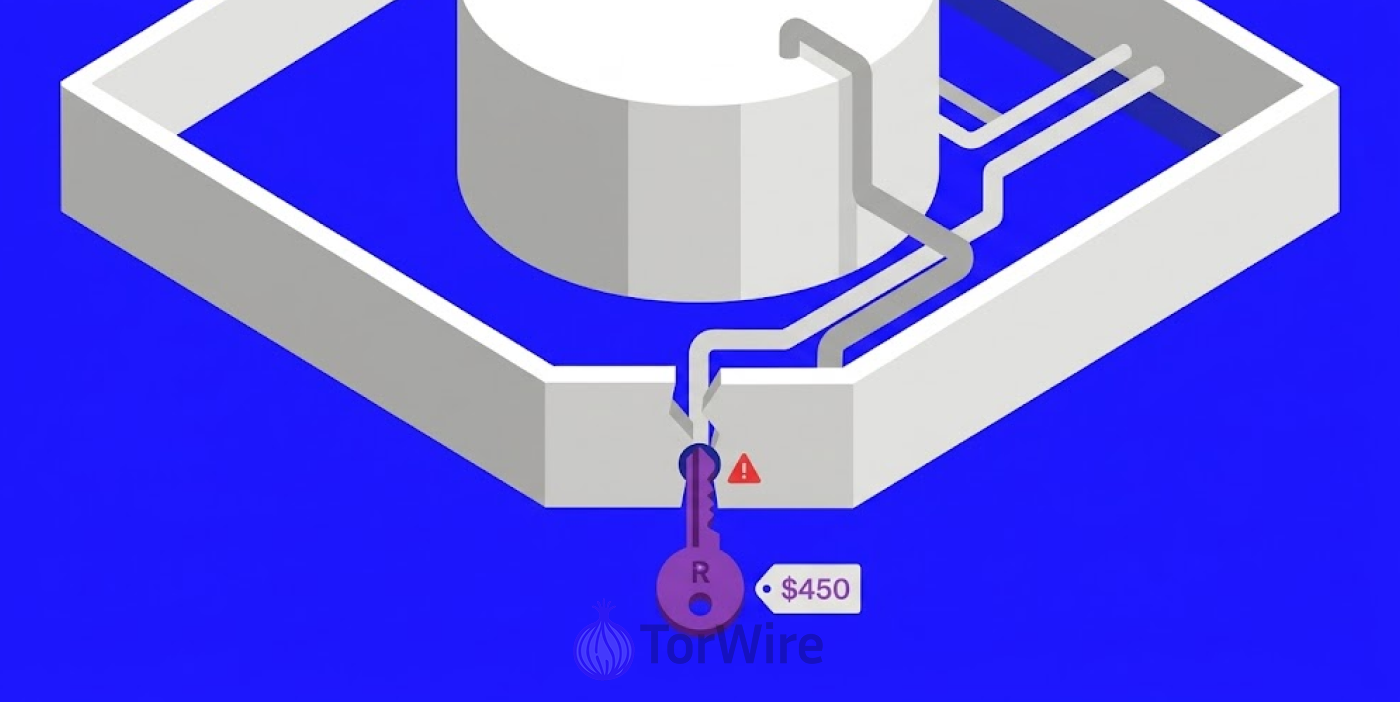
A threat actor is allegedly selling root-level access to the systems of Mexican fuel retailer Mega Gas on a cybercrime forum, alongside 1.9 terabytes of data, for just $450.
-
Dark Web Informer flagged the listing on X, but no independent security researcher or publication has confirmed the claim yet.
-
If real, the breach could expose sensitive business data, customer records, and internal systems belonging to a company that reportedly earns over $122 million annually.
A threat actor is allegedly selling deep access to the digital systems of Mega Gasolineras, S.A. de C.V. (commonly known as Mega Gas) on an underground cybercrime forum. Dark Web Informer flagged the listing on X, reporting that the seller was advertising root-level access to Mega Gas infrastructure for just $450. The listing also includes an alleged 1.9 terabytes of company data bundled with the access.
Mega Gas is a Mexican fuel retailer and gas station operator. The company works within Mexico’s fuel retail sector and handles fuel sales alongside related customer operations. A hit to systems like these could expose business records, customer data, or internal operational tools, depending on exactly which systems the attacker got into.
What the Seller is Claiming
The seller claims to have obtained root access to Mega Gas systems. Root access is the highest level of control anyone can have over a computer system. It lets the holder read, change, copy, or delete almost anything stored on it.
Bundled with that access, the seller advertises approximately 1.9 terabytes of data. That is a large volume of information. To put it simply, 1.9 terabytes could hold hundreds of millions of text documents or years’ worth of company records.
The asking price of $450 stands out as surprisingly low. Security analysts note that root access to a company of this size would typically command a much higher price on criminal forums. The low price raises questions about whether the access is genuine, already revoked, or simply being offloaded quickly.
According to the forum listing flagged by Dark Web Informer, the seller also described Mega Gas as a company generating around $122.9 million in annual revenue and employing between 501 and 1,000 people. These figures came directly from the seller’s post. They have not been confirmed by any independent source, so readers should treat them as the seller’s claims, nothing more.
Why this Kind of Sale is Dangerous
Underground cybercrime forums have grown into busy marketplaces. Criminals no longer just sell stolen databases. They now regularly advertise access to live corporate networks, servers, and accounts.
Buyers who purchase this kind of access can do serious damage. They can steal data, deploy ransomware, spy on internal communications, or use the access as a stepping stone into other connected systems. A company’s suppliers, partners, or customers could also end up at risk if attackers move deeper through the network.
The fuel and energy sector is especially sensitive. Companies in this space handle financial transactions, customer payment data, logistics records, and sometimes government contracts. Any exposure in that kind of environment carries real consequences.
That said, the 1.9 TB figure alone does not prove anything. Threat actors have a well-known history of exaggerating what they have. Some sellers recycle old or publicly available data and package it as something new. Others advertise access that has already been shut down by the time a buyer pays.
What We Know and What Remains Unconfirmed
At the time of writing, no major cybersecurity publication or independent researcher has publicly confirmed the Mega Gas claim. The only available source remains the Dark Web Informer post on X, which itself pulls the information from the cybercrime forum listing.
Mega Gas has not issued any public statement. Mexican authorities have not commented. No cybersecurity firm has independently verified the data sample or the access being advertised. Until one of those confirmations happens, this incident stays in the category of an unverified allegation. It should not be reported or shared as a confirmed breach.
A similar dark web claim has emerged in the Spanish energy sector, where a threat actor is allegedly selling a database belonging to an undisclosed Spanish gas company containing approximately 555,000 records.
What the case does confirm, however, is the broader pattern. Criminals are actively hunting for access into companies across every sector, including fuel retail. The low barrier to entry on these forums means even smaller players in the cybercrime world can afford to buy and exploit corporate access.
For companies in Mexico’s energy and fuel sector, this serves as a clear signal. Monitoring underground forums for mentions of company names, reviewing access logs for unusual activity, and auditing which systems carry root-level privileges are all steps worth taking now rather than later. The cost of catching a breach early is always lower than dealing with one that has already spread.