-
Microsoft has flagged a malware strain called CryptoBandits that spreads through infected USB drives and silently hijacks wallet addresses the moment a user copies them.
-
The malware also hunts for seed phrases and private keys stored on the infected device, handing everything directly to the attacker.
-
Any crypto transaction initiated from a compromised device sends funds straight to the attacker’s wallet, with no warning and no way to reverse it.
Microsoft has identified a new malware strain called CryptoBandits, and it spreads through something as ordinary as a USB drive. The threat does not require a sophisticated attack chain.
A user simply plugs in an infected drive, and the malware gets to work immediately, quietly positioning itself between the victim and every crypto transaction they attempt.
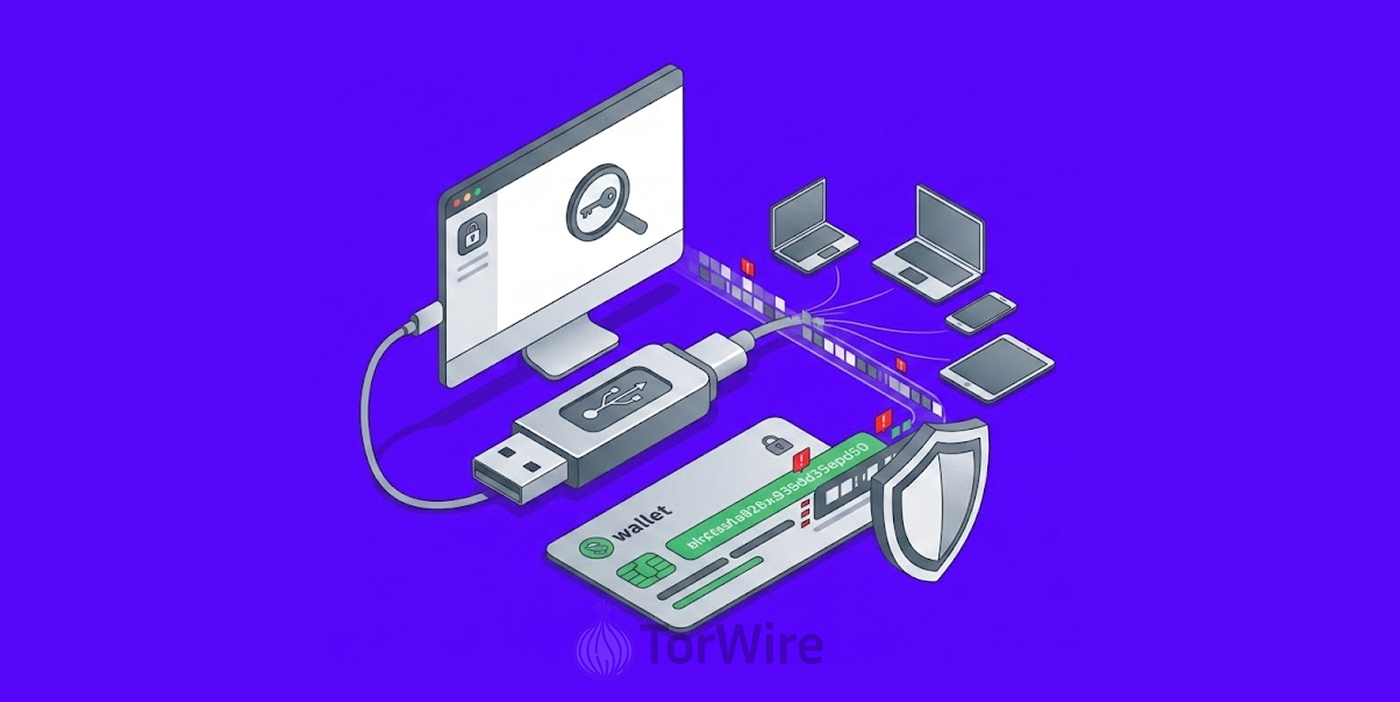
The delivery method is deliberate. USB drives are familiar, trusted, and easy to hand off. Attackers leave infected drives in public spaces, send them as promotional items, or pass them through social channels. The moment the drive connects to a machine, CryptoBandits installs itself and begins monitoring clipboard activity.
How CryptoBandits Empties Your Wallet
CryptoBandits operates as a clipboard hijacker. Every time a user copies a wallet address to paste into a transaction, the malware intercepts it and swaps it with the attacker’s address. The replacement happens instantly and silently. The address displayed during the copy looks correct. The address that actually receives the funds does not belong to the intended recipient.
Beyond clipboard hijacking, the malware actively hunts for seed phrases and private keys stored anywhere on the infected device. Documents, screenshots, password managers, browser storage, and locally saved text files all fall within its reach. Once it locates that data, it sends everything to the attacker. A seed phrase is the master key to a crypto wallet. Anyone who holds it controls the funds completely, permanently, and without appeal.
Microsoft’s flag on this threat highlights how CryptoBandits requires no password cracking and no complex exploitation. The malware simply waits for the user to hand over access through normal behavior, copying an address, saving a key, completing a transaction. By the time the victim notices something is wrong, the funds are already gone and the transaction is irreversible.
The Crypto Community Reacts
The news triggered immediate and pointed reactions across the crypto community on X. Users did not hold back.
@Monk (Banana Republic) put it plainly, noting that this malware does not break into your wallet. It waits for you to hand it over. According to the post, CryptoBandits sits silently on the clipboard and swaps the address at the exact moment of copying, meaning the money the user sends never reaches the intended destination. No passwords cracked. No locks picked. Just a user trusting their own copy and paste.
@BlockDogg777 (BlockDogg) framed the broader issue sharply, describing the malware as a reminder that crypto custody carries zero forgiveness. According to the post, one infected USB, one unchecked address, and one careless paste is all it takes for a wallet to become liquid. The comment added that cold storage means nothing if device hygiene is poor.
@deep619 (Deeptesh Sharma) offered practical advice, warning that a free USB stick from a stranger is likely the most expensive thing a person will ever plug in. According to the post, users should verify wallet addresses character by character before sending, because a hardware wallet offers no protection if the clipboard is already compromised. The warning echoes a recent incident where a fake Zoom link, not hardware failure, cost victims $33 million in cryptocurrency.
@TheCryptic (TheCrypticWolf) noted that malware manipulating wallet addresses is far more widespread than most people realize, having personally investigated multiple crypto theft cases involving exactly this method. According to the post, blind signing is the primary driver, and triple-checking transaction details before confirming is the only reliable defense.
@CallumShe (Callum Sheehan) connected the threat to a larger shift, writing that as digital assets enter the mainstream, cybersecurity becomes part of financial literacy. According to the post, the future of ownership is not just about holding digital assets. It is about protecting them.
What Every Crypto User Should Do Right Now
Users should avoid plugging in USB drives from unknown or untrusted sources under any circumstances. Before confirming any crypto transaction, verifying the destination wallet address character by character (not just the first and last few digits) is essential. Storing seed phrases and private keys on internet-connected devices creates unnecessary exposure and should be avoided.
Keeping antivirus and endpoint protection software updated gives systems a better chance of catching clipboard-monitoring threats before they act. In crypto, transactions are final. The responsibility for verification sits entirely with the sender.
