-
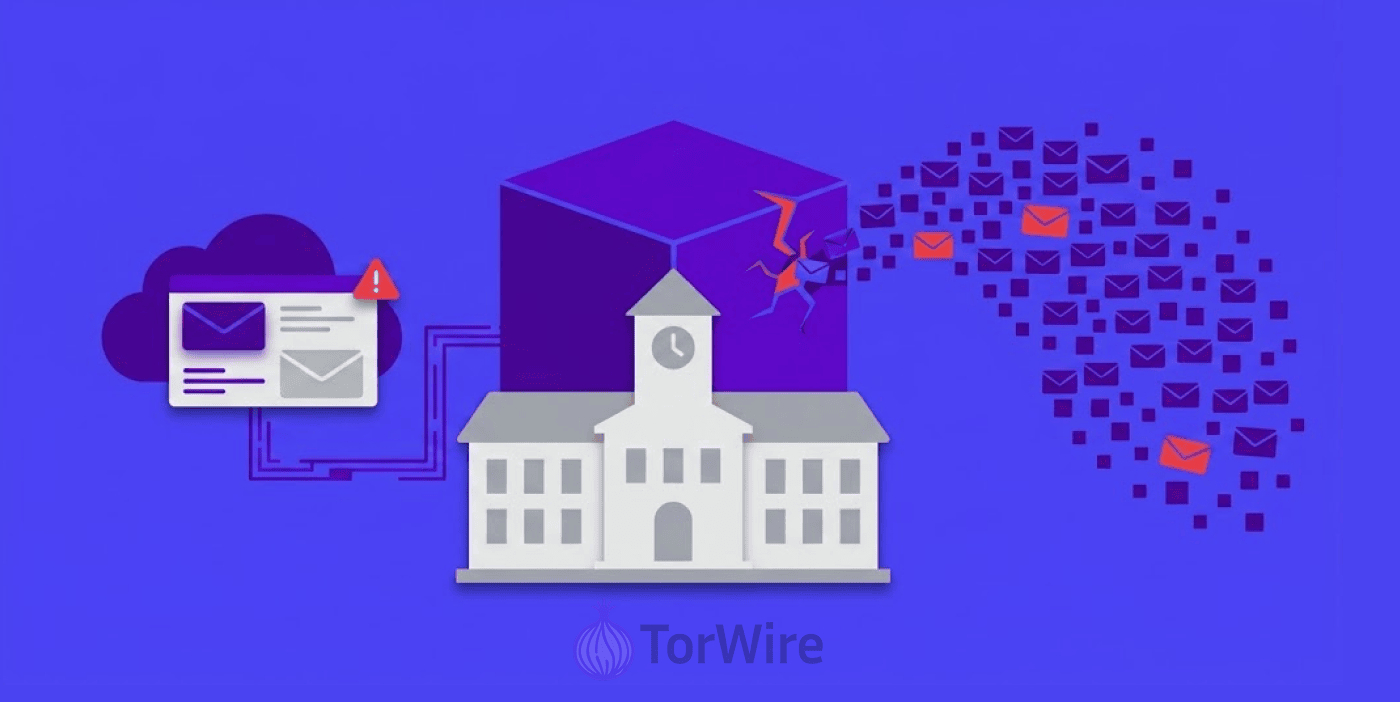
The criminal gang ‘ShinyHunters’ hacked into Houston Community College and leaked 832,000 email addresses and personal information after negotiations didn’t work out.
-
The released data contained student names, physical addresses, phone numbers, dates of birth, citizenship status, gender, and other personal academic information.
-
Security experts recommend victims of this crime follow some protective measures – such as change their account logins and passwords, use multiple types of authentications and check their credit history.
Cybercriminals recently published a massive database containing confidential student information on dark web forums. The extortion campaign targeted Houston City College in June this year. Threat actors exfiltrated sensitive personal files before demanding a financial ransom payout from school administrators.
The data breach led to the exposure of about 832,000 individual email accounts of alumni and current students. In addition, the exposed information included other personal details like the names of students, addresses of students, contacts, and academic records. The popular security notification service Have I Been Pwned indexed the dataset after verifying its contents online.
The criminal operation forms part of a broader extortion pattern striking higher education facilities worldwide. The attackers harvested records containing citizenship statuses, birth dates, and gender details. College officials faced a strict deadline to deliver payment or risk complete file publication.
When the institution refused to comply, the hacking crew uploaded the complete archive publicly. Identity theft monitoring groups warn affected individuals about potential fraud campaigns.
The Mechanics of the ShinyHunters Extortion Attack
The notorious cybercrime syndicate known as ShinyHunters claimed responsibility for the data breach. This gang applies pay-or-leak techniques to monetize and profit from the databases it stole.
Usually, the attackers penetrate corporate networks by purchasing administrative credentials or exploiting vulnerable cloud software platforms. The group exfiltrates vast archives of user information before sending ransom letters to victims.
Intruders systematically searched internal databases to capture sensitive administrative records. Consequently, the threat actors gathered complete student enrollment profiles alongside staff contact details.
The stolen files contained official citizenship document details and internal academic evaluation notes. The criminals uploaded the harvested database onto dark web portals when extortion talks collapsed.
In addition, digital safety analysts track similar campaign tactics across regional community colleges. Hackers deploy stolen records to refine future social engineering attempts against academic institutions.
A Look at ShinyHunters Past Operations and High-Profile Targets
ShinyHunters is a well-known group that has been involved in many different cases of criminal activity involving stealing data from organizations. The emergence of the group was in 2020, when they began selling databases of consumers on websites for criminals.
Later, the group changed its methods to focus more on attacking large companies and other software manufacturers. Throughout its operations, ShinyHunters performed attacks targeted at major supply chains of companies, cloud computing services, and software vendors.
In recent times, the group has adjusted its focus and now its targets include educational software platforms and learning management systems. Hackers regularly use stolen corporate login details, stolen third-party authentication tokens, and improperly set cloud resources to breach multiple layers of protection. The group’s targeting of educational institutions has included claims against Universidad de Monterrey.
Moreover, ShinyHunters frequently acts as an initial access broker and obtains means to infiltrate various networks from other hacking groups. The syndicate leverages stolen records to pressure corporate executives and institutional boards into making rapid financial settlements.
The attack on Houston City College demonstrates the group’s ongoing focus on harvesting student databases.
Severe Security Risks Facing Students and Alumni
Exposing 832,000 unique email records creates long-term digital hazards for enrolled students and former graduates. Fraudsters frequently utilize leaked personal identifiers to build convincing spear-phishing messages, also they impersonate official financial aid departments or university registrars to trick victims.
The students are under substantial threat of identity fraud since the breach may have compromised their birth dates and citizenship identities. However, there is nothing said about financial passwords and card numbers in any of the breach messages.
Fraudsters can use the phone numbers and addresses of students in phishing scams meant to make victims divulge their bank account details and PIN codes.
Thus, security professionals recommend that those affected treat any forms of communication they receive with utmost care. The release of compromised academic records may also affect one’s reputation if misused on the Internet.
Critical Protection Strategies for Exposed College Accounts
Education administrators should call upon students and alumni to take appropriate actions to secure their online accounts. Users must update passwords across academic portals, personal email accounts, and financial applications immediately.
Repeating identical credentials across multiple web applications increases overall account takeover vulnerabilities significantly.
Digital security experts advocate using dedicated credential management tools to generate complex security keys. Besides, individuals should enable multi-factor authentication across every sensitive web portal.
Hardware security tokens and authenticator software provide far greater protection than standard text message codes. In fact, modern phishing tools can intercept simple short message service verification codes during real-time login sessions.
Students ought to place credit freezes with large credit reporting agencies to stop the creation of any unauthorized accounts. At the same time, monitoring statements regularly allows users to discover suspicious activity quickly.
