-
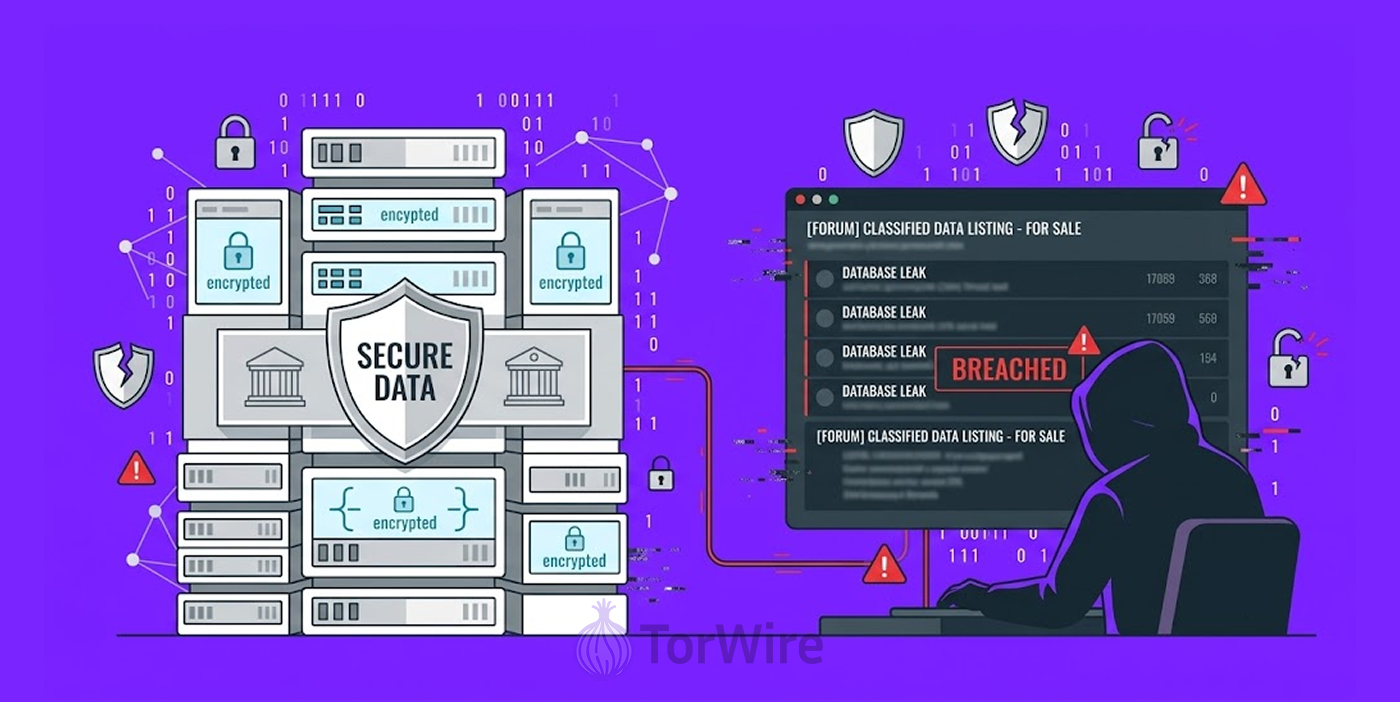
A bad actor is boasting of monetizing a database allegedly from the UAE Ministry of Interior on a cybercrime forum.
-
The advertised records reportedly contain personal, identification, and military-related information, although no independent verification has confirmed the claims.
-
No official statement has come from authorities; so researchers urge caution until the alleged breach goes through investigation.
An advert from a bad actor just sparked concerns about the possible exposure of sensitive government and military-related information. Security research group, Daily Dark Web, flagged the listing on a cybercrime forum.
The seller claimed to possess a large government database containing extensive identity records. According to the forum post, the seller is asking $4,500 for the “remaining copy” of the database. He claimed a buyer already secured one copy.
Neither Daily Dark Web nor independent cybersecurity researchers have verified the authenticity of the dataset. Also, there’s no confirmation that it is actual data from the UAE Ministry of Interior. At the same time, no official statement has come from the ministry addressing the claims.
Seller Claims Database Includes Personal and Military Records
The threat actor alleges that the database contains a wide range of personally identifiable information. The advertised records reportedly include full names, mothers’ names, dates of birth, national identification numbers, passport numbers, residential addresses, etc.
The seller also claims the dataset contains military-related details, including individuals’ military status and rank. In addition, the actor alleges possession of supporting identity documents such as passports and birth certificates.
Cybersecurity experts consistently warn that listings on underground forums are not “proof of breach.” The risks of government data exposure are significant, Hungary recently experienced a breach that exposed 795 email credentials across 12 ministries, demonstrating the scale of vulnerabilities in government systems.
Threat actors often exaggerate or fabricate the value and origin of stolen information to attract buyers. Nonetheless, the post has claims and ideological statements that the information could facilitate fraud or help target individuals.
Unverified Government Data Could Carry Serious Risks
If investigators eventually confirm the dataset is genuine, the consequences could extend well beyond conventional identity theft. Government databases often combine personal information with official identification records. This makes them highly valuable to cybercriminals conducting fraud, social engineering, or long-term intelligence gathering.
Security analysts note that combining passport numbers, national identification records, employment information, and military-related details could make phishing attacks more convincing.
It can enable criminals to impersonate government officials or trusted institutions. Military information could also present counterintelligence concerns if it identifies active or former personnel.
Even older government records can remain valuable because official identifiers, including passport and national identification numbers, typically change infrequently. Criminals frequently exploit such information months or even years after an alleged breach becomes public.
Investigation Remains the Next Critical Step
Daily Dark Web said the alleged incident requires careful investigation before any conclusions. Analysts recommend that authorities determine whether the advertised database is authentic, and identify its true source.
Investigators should also determine whether the records represent newly stolen information, previous leaks, or a curation from multiple sources. For now, no independent evidence confirms that the advertised database belongs to the UAE Ministry of Interior. Until investigators complete a technical review or officials release an authenticated statement, the claims remain unverified.
