-
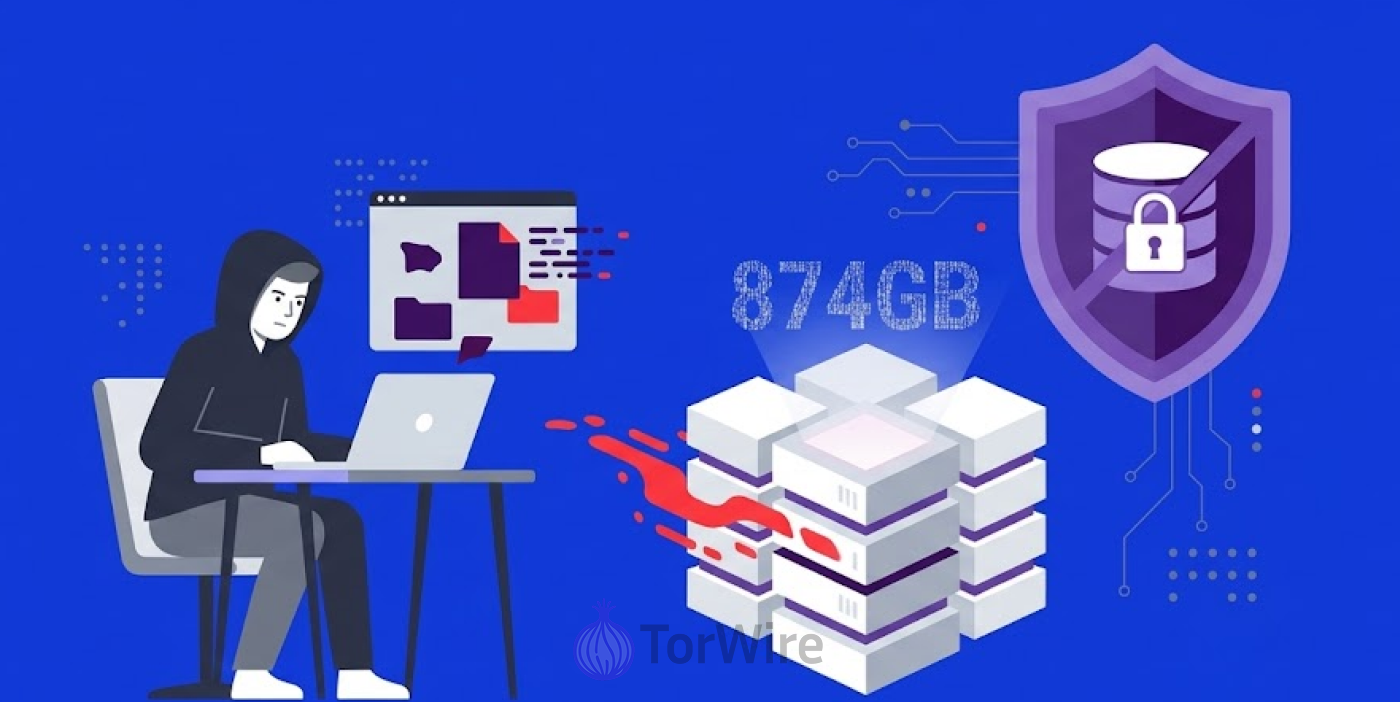
A threat actor claims it stole 874GB of data from Fiserv, a major US financial technology company.
-
The claim matches an August 2026 listing from the Clop extortion group, which said it took corporate files.
-
Fiserv says its review found no evidence that customer, banking, transaction, or personal data was compromised.
A threat actor claims it stole 874GB of data from Fiserv, a major US financial technology company. A threat actor is a person or group behind a cyber attack. Fiserv provides payment processing and banking technology. Cyber threat intelligence reports now link the company to this alleged theft.
The claim says the data sits behind a torrent link. A torrent link lets people download large files from other users’ computers. The claim also matches an August 2026 listing from the Clop extortion group. An extortion group is a gang that threatens victims to push them to pay. Fiserv says its review found no sign that customers were harmed.
Clop Listing Links Fiserv to the 874GB Figure
Reports describe a large pile of data that attackers allegedly took from the company. The attackers shared it through a torrent link. However, the available details leave out a verified file list. They also lack a downloadable sample and any independent review. Because of this, nobody has confirmed that the data is real.
Research points to an important detail behind the claim. On August 12, 2026, the Clop extortion group listed Fiserv on its leak site. A leak site is where the group posts claims about its targets. The listing belonged to a wider campaign that named dozens of organisations. The timeline is short. A report about the wider campaign followed one day later, on August 13.
According to threat intelligence reports, Clop credited about 874GB of data to Fiserv. The group described the files as project files, computer-aided design (CAD) files, Windchill files, and software. CAD files are digital drawings used to plan and design products.
A report on August 13 said Clop claimed to steal huge amounts of data from nearly 50 companies. Fiserv, Shell, Philips, and General Electric all appeared on that list. The report added that nobody had independently checked the attackers’ claims about the stolen data’s type and size.
The latest claim arrived later, through threat intelligence reports. It should not automatically count as a separate breach. It should not count as a newly released dataset either. The sources tie the 874GB figure to the August Clop campaign. However, they do not show whether the torrent in the newest report holds the same files.
Fiserv Says Review Found No Customer Data Compromise
Fiserv has already responded to the August claims. The company made its statement after Clop’s listing appeared. According to reports from that time, a company spokesperson said Fiserv knew about the actor’s claims.
The spokesperson said the company’s review found no proof that customer, banking, transaction, or personal data was compromised. Fiserv also found no sign that its operating environment was affected. That review reflects what the company knew at the time.
This statement matters because it separates stolen company files from exposed financial details. The size of the claimed data does not prove anything about its contents. Size alone does not show that attackers took card details, bank data, or customer records.
The statement does not disprove every claim from the threat actor. However, reports should not call this a confirmed customer data breach without more proof. Threat intelligence trackers have also logged the Clop listing. They warn that the group’s allegations remain unverified.
Unverified means nobody has checked or proven the claim yet. The available reports do not prove the whole 874GB set is real. They also do not confirm that the files on the torrent link are genuine.
Banks and Payment Firms Wait for Clearer Answers
Readers should separate three things: the Clop listing, the torrent link, and the company’s response. Each one tells a different part of the story.
Fiserv provides technology that banks, credit unions, merchants, and other financial institutions use. A confirmed hit on its systems or sensitive corporate information could matter to those firms. Organisations that depend on its services would then need to pay close attention.
A separate incident involved a hacker who claimed 8.6 million French patient records were linked to Alaxione, raising similar concerns about exposed sensitive data.
For now, the biggest question is what the attackers actually obtained. Experts also need to learn whether any affected systems or customers face a real risk. The listed file types suggest the material may include technical or internal business documents. Still, the evidence cannot show everything inside the data.
At this point, the 874GB figure is an allegation from a threat actor. It is not a checked measurement of confirmed data loss. The August campaign drew wide coverage from reports. Yet the sources do not show that a separate, newly confirmed Fiserv breach has happened.
More proof would clarify the scope of the claim. Independently analysed samples would help. An updated statement from Fiserv would help too. Until then, the incident remains an unverified allegation of data theft, not a confirmed breach.