-
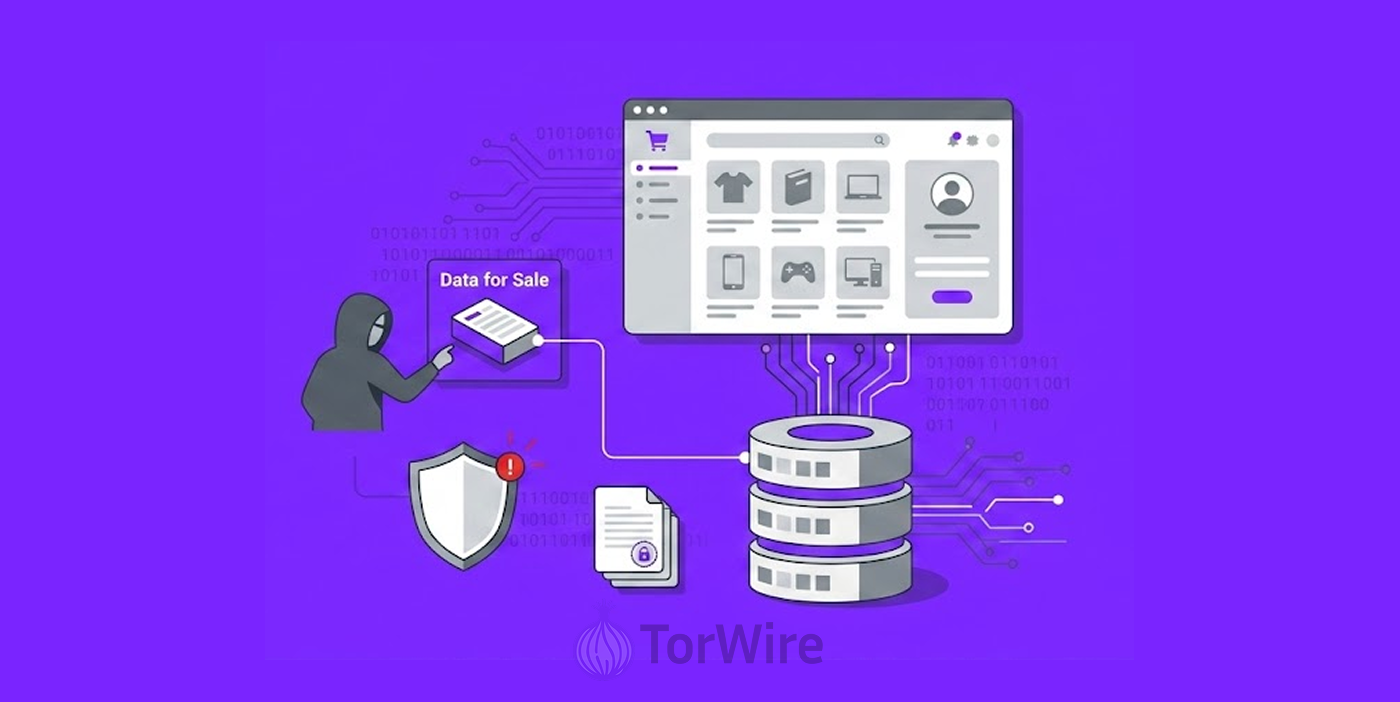
A threat actor is trading a customer database allegedly belonging to ChinaHub.com.
-
The dataset in the advert reportedly carried email addresses, passwords, phone numbers, dates of birth, and other personal information.
-
The authenticity of the alleged breach remains pending considering no independent verification. Also, there’s no public confirmation from ChinaHub.com so far.
Daily Dark Web first highlighted the alleged breach as it surfaced on an underground cybercrime forum. The seller brandished a database containing customer information allegedly coming from ChinaHub.com.
According to the listing, prospective buyers already have sample records of the dataset. To get the complete dataset privately, encrypted messaging channels come into place.
Seller Claims Database Contains Sensitive Customer Information
In the listing on the underground forum, the threat actor claims the database spans several categories of customer information. This included email addresses, first and last names, phone numbers, dates of birth, passwords, gender information, and User-Agent strings.
With passwords at risk, account losses could pile up in the long run, especially if the security experts confirm the stolen data. The seller just published limited sample records to support the claim.
However, cybersecurity researchers emphasize that screenshots or samples alone are not enough to verify the claim.
The commoditization of such data has reached alarming levels. In South Africa, for example, cybercriminals are selling personal records for pennies as breaches surge across the region.
Threat actors in underground forums can exaggerate or fabricate breach claims to attract buyers and fuel fear too.
E-Commerce Platforms Remain Attractive Targets
Bad actors target e-commerce platforms most often because they host large volumes of valuable user data. Unlike many other online services, these platforms frequently store customer identities, contact information, purchase histories, account credentials, and payment-related data.
Even without financial information, user profiles remain valuable because they can aid phishing campaigns, ID thefts, and credential stuffing attacks.
If bad actors use the passwords from the alleged ChinaHub.com database, the potential risks would increase significantly. Again, there is currently no public information indicating the number of passwords allegedly at risk.
Security Experts Recommend Prompt Investigation
Amid the fear, cybersecurity analysts recommend that organizations respond quickly whenever claims involving customer data emerge on underground marketplaces. Organizations facing similar allegations should investigate whether unauthorized access occurred and assess whether password resets or security measures are necessary.
Security professionals also recommend reviewing authentication logs for suspicious login attempts and monitoring for unusual account activity. For customers, experts advise enabling multi-factor authentication (MFA), changing passwords across multiple websites, and remaining cautious of phishing emails or messages.
Even if the alleged ChinaHub.com database ultimately proves to be inaccurate or outdated, news of such claims is frequently exploited by cybercriminals to launch convincing phishing campaigns against potential victims.
As of publication, there is no independent evidence confirming that ChinaHub.com has suffered a verified data breach. Until additional information becomes available or the company issues an official statement, it’s ideal to treat the threat actor’s claims with caution.
Nevertheless, the incident underscores the continued targeting of e-commerce platforms by cybercriminals seeking to profit from valuable customer information and account credentials.
