-
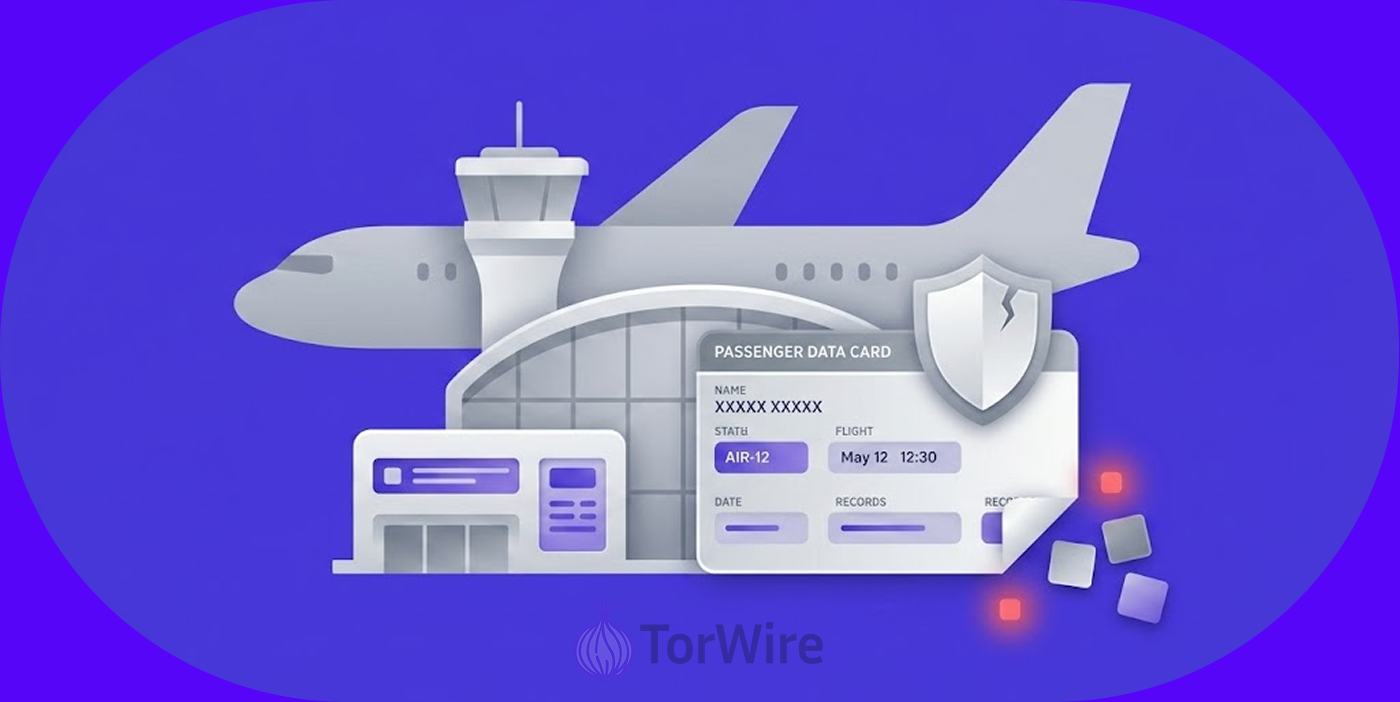
A dark web seller claims to have a Clark International Airport database, containing sensitive information of travelers.
-
Passport data is especially valuable to criminals, as they can use it for identity theft, travel fraud, and creating fake identities.
-
Travelers should watch for phishing messages and monitor their credit since stolen passport numbers can be used for years without being noticed.
A seller on the dark web has advertised an alleged database that contains sensitive information about Clark International Airport in the Philippines. The offering appeared on a popular hacking forum, where online criminals exchange stolen data.
The threat actor says the exposed records contain passport numbers, birth dates, phone numbers, gender information, and physical addresses. The post gives a few other details, but it does not say how many records are in the database or when the breach happened.
If the data is real, it puts travelers at serious risk. Passport numbers are valuable to criminals. They can use them for identity fraud, travel scams, and creating fake identities.
What Makes Airport Data So Valuable to Criminals
Airport databases retain most of the user’s personal information. This includes passport numbers, complete names, birth dates, and any other pertinent details. Criminals use the information stored in airport databases to quickly establish a criminal identity or steal someone’s identity.
The demand for such data is so high that hackers are actively targeting airports worldwide. Recent dark web listings have included not only passenger data but also direct access to airport networks, including an Italian airport offered for sale alongside corporate systems.
Aviation data is a hot commodity on underground markets. Criminals use it for several types of fraud. They can open credit cards in someone else’s name, apply for loans, or even get fake travel documents. The combination of passport details with personal information makes these schemes easier to pull off.
Travelers face specific risks from this kind of leak. Someone could use stolen passport numbers to book flights or access travel accounts – they might also target victims with fake messages about flight changes or bookings. These phishing attempts look real because the scammer has personal details.
The passport data alone holds high value. Unlike credit card numbers, which can be canceled, passport numbers stay the same for years. A leaked passport number can be used again and again. This makes the long-term risk much higher than other types of data breaches.
Identity Theft and Phishing Are the Main Dangers
Identity theft is a huge concern that could occur due to a direct leak of passport numbers and other personal information. Identity thieves can create synthetic identities by using actual passport numbers with either made-up names or legitimate names with made-up documents.
Phishing schemes become increasingly dangerous as criminals have travel-related data available to them. They can send fraudulent messages pretending to be from an airline or airport security that would be very believable to a victim. This makes it easier because those scam messages contain actual travel-related data about the victim.
Another real risk associated with leaked passports is account takeover. Many travel-related websites allow individuals to log in to their accounts using their passport number or date of birth.
Thus, if an identity thief has access to this information, they may be able to log into the individual’s account and steal all of the individual’s frequent flyer or hotel loyalty program points, make modifications to pre-existing travel arrangements, or gather additional personal information regarding the individual.
The Clark International Airport claim follows a pattern of similar breaches in the aviation sector. Airports and airlines have been frequent targets for cybercriminals; the data they hold is just too valuable to ignore.
What this Means for Travelers
The alleged breach serves as a reminder about how vulnerable travel data really is. When booking flights, travelers provide some of their most sensitive data, such as passport number, date of birth, and address of residence for international travel.
Travelers should stay alert for suspicious messages, if someone contacts you claiming to be from an airline or airport, be careful. Always confirm the authenticity of the sender’s email address first – and never click on links from any sender unless you are sure they are legitimate. Go directly to the official website instead.
Monitoring your credit report is also a good idea. If someone uses your passport number for fraud, it might show up as unusual activity. Many credit monitoring services can alert you to changes in your file.
Security experts say travelers should also consider using identity theft protection. These services watch for signs that someone is using your personal information; they can help you respond quickly if something goes wrong.
Clark International Airport officials have not commented on the dark web post. The claims remain unverified. But even unverified breaches cause real concern. The data could be real, or it could be fabricated. Either way, the risk reminds us to be careful with our personal information.
