-
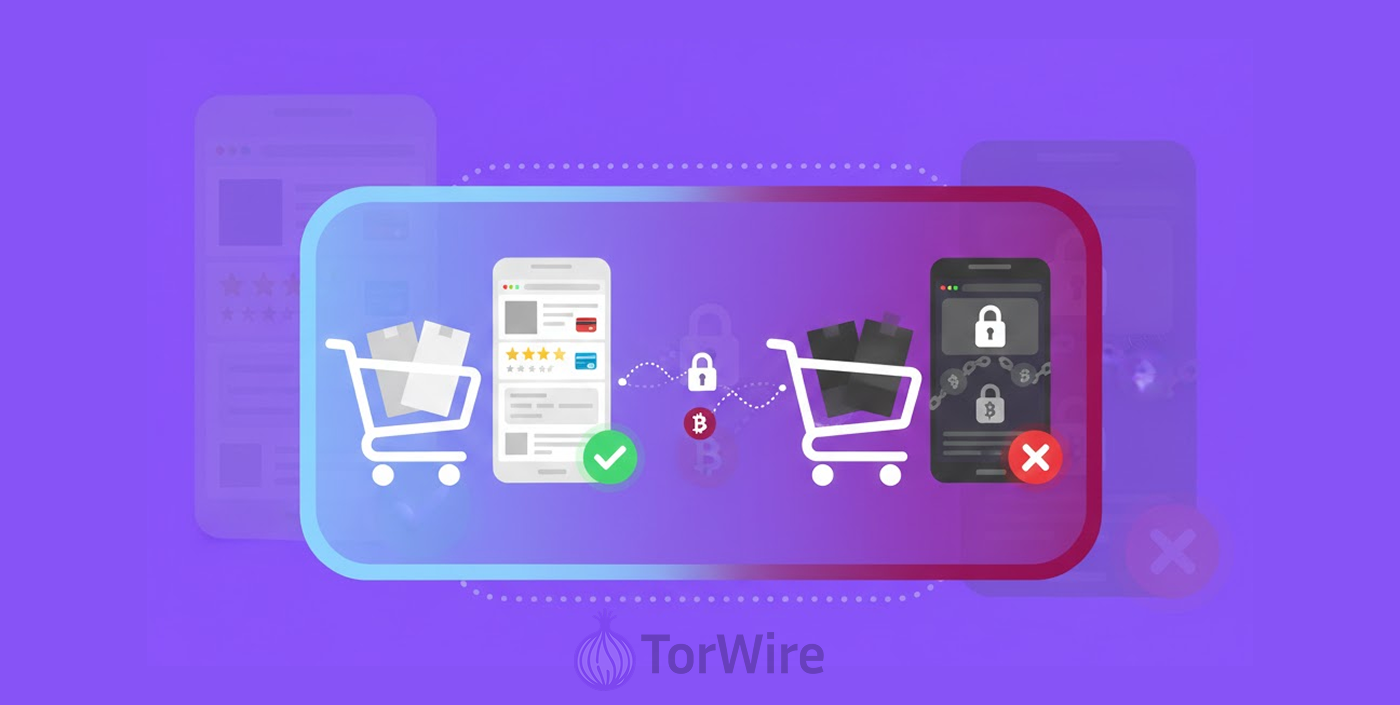
Dark web marketplaces are professionalizing cybercrimes, with traces of legitimized trades like e-commerce businesses.
-
Recent research shows that two-thirds of cybercriminal marketplaces demand a vendor bond, by licensing them to sell, at stipulated costs.
-
Also, most sites utilize escrow payment systems, operate dispute resolution services, etc.
Recent information indicates that modern dark web markets are producing evidence confirming that many operational aspects of dark web marketplaces are becoming increasingly similar to those found in traditional e-commerce environments, and this trend will likely continue to expand.
The creation of trust, the reduction in fraud, and the ability to sustain illegal digital marketplace operations in the face of growing governmental enforcement pressure will continue to drive innovation within these environments.
Dark Web Marketplaces Shift to Professionalization
Also, research into dark web market operations reveals a striking degree of professionalization. According to a three-month investigation that HP Wolf Security conducted in collaboration with global forensic analysts, data drawn from over 35 million cybercriminal marketplace and forum posts showed sophisticated trust-building mechanisms now mirroring legitimate e-commerce platforms.
Additionally, every major marketplace maintains detailed vendor feedback scores, creating a reputation economy that stabilizes illicit transactions.
The market for cybercrime tools remains highly accessible. The investigation found that over three-quarters (76%) of advertised malware listings and 91% of exploits are priced under $10. Compromised Remote Desktop Protocol (RDP) credentials are particularly cheap, averaging just $5 per listing. This low barrier to entry continues to fuel widespread cybercriminal activity.
Cybercriminals are taking a proactive approach by exploiting known weaknesses within existing and commonly used software products, such as Windows operating systems (OS), Microsoft Office suite of applications, content management systems (CMSs), web page servers, etc., as a means of obtaining their initial access. The availability of exploit kits for each of these mainstream applications is highly accessible (and affordable) at essentially low cost.
Conversely, exploitation of less common applications or their hosting environments (e.g., niche systems) carries with it a much greater cost and return, with exploit kits for these specialized systems usually falling between $1,000 and $4,000 per kit. Zero-day vulnerabilities rank at the top of the list for the value of their exploitation; many zero-day vulnerabilities sell for tens of thousands of dollars because they can support multiple ongoing attacking campaigns that will often go undetected.
Key Mechanisms of Dark Web Markets are Mirroring Legitimate E-Commerce
The dark web markets are getting more professionalized through the following approaches:
Widespread Dispute Resolution
Approximately 94% of prominent dark web marketplaces now offer structured third-party dispute resolution — often managed by moderators or automated systems. This service mediates conflicts over product quality, shipping delays, or scams, with outcomes typically enforced via multi-signature cryptocurrency releases. The presence of impartial arbitration has become a key differentiator between reputable markets and transient, high-risk platforms.
Escrow Payments
Around 88% of dark web markets currently utilize multi-signature (multisig) escrow services, ensuring funds are held in a neutral wallet until the buyer confirms receipt. Some platforms have begun integrating time-locked escrow and privacy-focused smart contracts — such as those on Monero or Secret Network — to automate payouts upon delivery verification. This mechanism significantly reduces traditional “exit scams,” where vendors disappear after receiving payment.
Reputation Systems
Virtually every marketplace provides detailed vendor feedback scores, often paired with verified transaction counts, shipping speed metrics, and buyer reviews. In 2026, many platforms now employ weighted reputation algorithms that prioritize recent transactions and penalize sudden negative feedback spikes — a method that makes artificially inflated ratings more difficult to sustain.
Reputation Portability and Decentralized Identity
With the average lifespan of a Tor-based dark web marketplace now under 45 days due to aggressive law-enforcement takedowns, reputation portability has become essential. Vendors are utilizing an increasing number of DIDs (decentralized identifiers) and reputation digital tokens that migrate from one platform to another.
Underground communities have also begun to use separate, encrypted reputation systems that work independently from any individual marketplace; as such, these “certified” vendors can rapidly re-verify their credentials when joining new sites.
The above adaptations demonstrate the ongoing professionalization of illicit online economies, with the emergence of the decentralized and cryptographically secure methods of monitoring, accompanied by the increasing use of resilience and trust mechanisms with vendors themselves.
