-
A new ransomware-as-a-service operation named Vexy has launched on dark web forums to recruit cybercrime affiliates.
-
The platform utilizes a dedicated Tor leak site and qTox messaging channels to coordinate extortion operations.
-
Defensive strategies require multi-factor authentication, network segmentation, and regular offsite backups to neutralize affiliate threats.
A new ransomware-as-a-service platform, called Vexy, has launched on subterranean digital marketplaces. Cybercriminal operators behind the venture recently began advertising their affiliate program across popular dark web message boards.
The threat group offers specialized platform access to malicious affiliates who execute extortion attacks against targeted organizations. Security researchers monitoring dark web activity confirmed the launch along with associated onion communication channels.
Operational Architecture of the Vexy Ransomware Platform
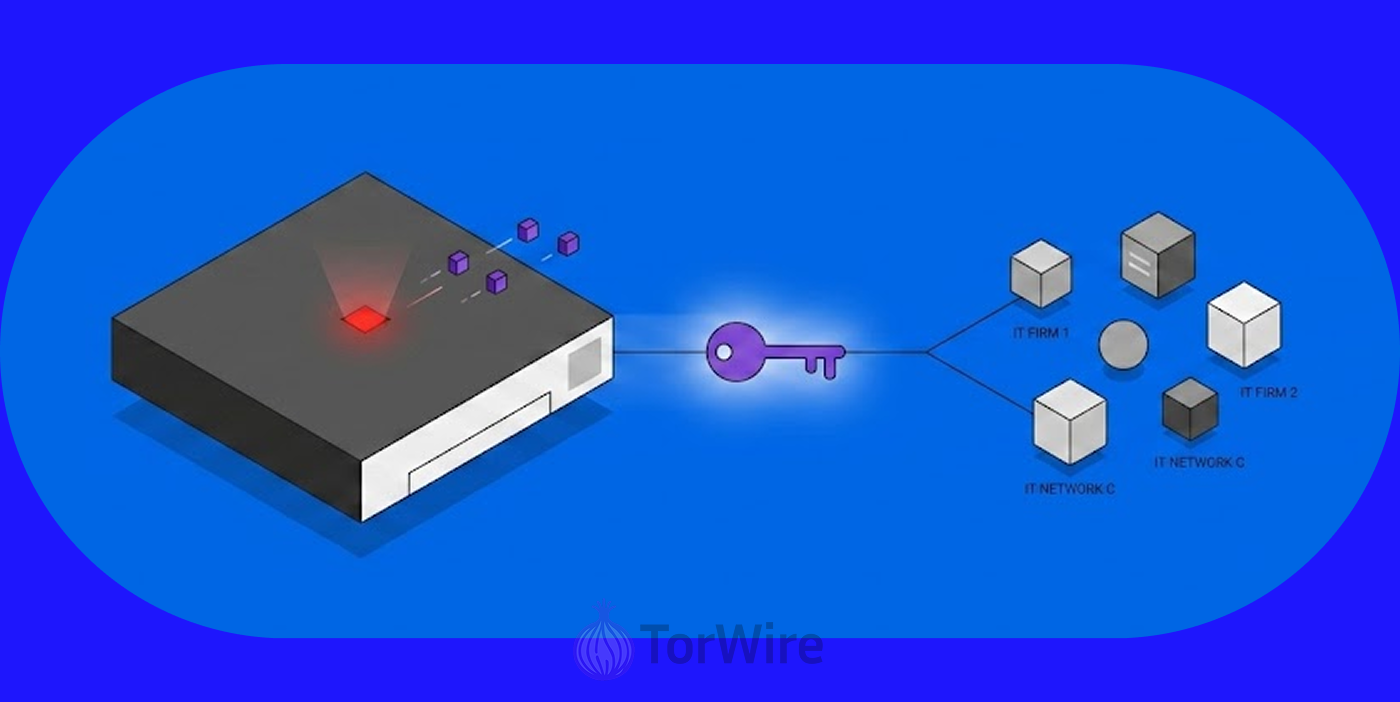
The Vexy organization functions as a software provider for cybercriminals seeking ready-to-use extortion tools. The core developers maintain the underlying payload infrastructure while recruiting independent operators to handle initial network intrusions. Furthermore, the platform utilizes dedicated dark web portals to facilitate communication between victims, affiliates, and core developers.
The group established a dedicated data leak site hosted on the Tor network to support extortion demands. Additionally, the operators rely on secure instant messaging platforms using qTox identity strings to handle private sales inquiries. This setup allows the developers to negotiate affiliate partnerships securely without exposing their central infrastructure to law enforcement.
By relying on specialized infrastructure, the group lowers technical barriers for low-skilled threat actors. Affiliates simply lease access to the ransomware builder and launch custom payloads against compromised enterprise networks. Consequently, this operational division allows criminal developers to scale their attack footprint rapidly while minimizing personal exposure.
Understanding the Growing Cybercrime Affiliate Model
Ransomware-as-a-service works very much like real software subscriptions. The software authors write complex encryption programs and also take care of all the technology behind them. Meanwhile, independent affiliates acquire working credentials or exploit unpatched perimeter systems to deploy the software inside target environments.
The affiliate model greatly depends on the revenue-sharing approach to motivate massive network attacks. As soon as the victim pays the ransom, the platform promptly distributes the revenue among the clients as well as the developers. So, financial gain is a key factor behind the rapid adoption of cybercrime.
The emergence of platforms like Vexy demonstrates how dark web marketplaces streamline criminal collaboration. Initial access brokers harvest network credentials and sell them directly to ransomware affiliates on open forums. This interconnected digital economy enables less experienced actors to execute devastating enterprise intrusions without writing custom malware.
A recent California arrest shows how such schemes work. Rusty James Estrella, 39, pleaded not guilty to computer fraud and attempted extortion after allegedly hacking a Hesperia business, demanding $1,000, and threatening to leak customer data on the dark web.
The Strategic Shift Toward Double Extortion Tactics
The modern ransomware organizations hardly ever use basic file encryption for ransom collection. Rather, these cybercriminals extract sensitive organizational documents even before they start the encryption process. The inclusion of a dedicated data leak site indicates that Vexy enforces this double extortion strategy.
If a victim restores systems using offline backups, the threat actors threaten to release proprietary company files publicly. They publish stolen customer records, trade secrets, and internal communications on dark web portals to damage the victim’s reputation. Consequently, organizations face severe regulatory fines and legal liabilities even if they recover their IT operational environment.
Furthermore, public leak sites put immense psychological pressure on corporate leadership teams during active breach negotiations. Threat actors frequently contact trade outlets, business partners, and regulatory bodies to announce data exposure. This multi-dimensional approach puts a lot of pressure on companies, making them think of paying the ransom.
Key Defense Strategies to Block Ransomware Affiliates
Defending networks against emerging RaaS operators requires organizations to secure common initial intrusion vectors. Cybercriminals often exploit security weaknesses in remote access gateways that remain unpatched as their entry point. Therefore, it is vital for network administrators to have active patching processes on their external firewalls and VPN endpoints.
Companies and organizations should use multi-factor authentication procedures so that they will not misuse the access of users. Organizations should also segment their networks to make sure that lateral movement cannot be executed by any unauthorized person. Moreover, system administrators must store backup copies separately from other copies and the rest of the system to maintain them safely.
Finally, it is essential to continue employing endpoint monitoring technology; it allows early detection of unauthorized execution of scripts and attempts to steal credentials. Moreover, it is important to implement strict access restrictions to ensure that compromised accounts remain deprived of the ability to escalate privileges and deliver encryption payloads.
Proactive network security audits significantly reduce exposure to automated dark web scanning tools and opportunistic affiliate attacks.