The internet has created endless opportunities, but it has also opened the door to serious security risks. Every day, cybercriminals target businesses and individuals, looking for ways to steal sensitive data and sell it on underground markets or use it for blackmail and ransom.
Organizations across industries, from manufacturing and education to government and healthcare, have suffered massive financial losses due to data breaches and leaks. However, the consequences go far beyond money. A single data leak can damage a company’s reputation, break customer trust, and even lead to costly legal battles.
As cyber threats continue to evolve, protecting sensitive information has become more important than ever. This is where data leak protection (DLP) comes into play. But before exploring how it works, it’s important to first understand what a data leak actually is.
What is Data Leak Protection?
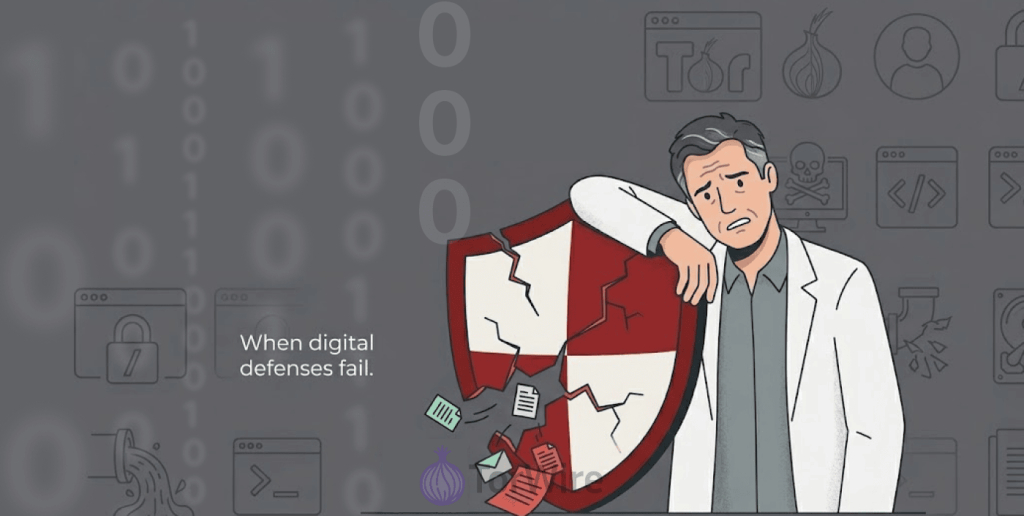
Data leakage protection consists of security measures that prevent unauthorized access to data on a secure platform. These tools monitor activity, identify suspicious behavior, and raise alarms when necessary. Most information has gone digital and has created opportunities. Not really for account or data holders but for the hackers.
Data security is a way to secure digital information from threats that exist online. It has become a lucrative business for bad actors. The protection secures the data in the user’s device, computer software/hardware and storage devices.
We must protect our digital identities and bank details from fraudsters. It is very important to protect our personal data on the internet on an individual level. Yes, it’s true that most data leaks happen to companies, corporations, institutions and government public administrations most of the time.
That’s because it’s more lucrative for these criminals to aim for bigger platforms than individuals. But this is where it gets interesting. These fraudsters, because of their interest in organisations, will also target individuals that work in such platforms.
Once they get hold of information from you that’s related to the company, they find their way in. A staff member could have sensitive information from the company. Using data leak protection allows individuals and companies to carry out their daily activities without interruptions or unnecessary financial losses.
A typical example is the CIA Triad. If you study what data leak protection is designed to do, this is it. The CIA Triad ensures:
- Integrity of information: A security check should confirm that the information has not been corrupted or altered and remains exactly as it was saved.
- Confidentiality: This means only approved personnel can access the information, and all others are blocked from it.
- Availability: Once staff confirm information integrity and confidentiality, the company must make it available only to approved personnel. They should be able to access it easily whenever they need it.
A data protection system must meet these three basic requirements. In data security, we have what we call Non-repudiation. Let us explain. When someone puts something in writing, the statement becomes legally binding and cannot be disputed.
For example, Mr James went to a shop and bought a dining set, and he didn’t have cash. Mr James then writes a check with a pen and signs it. James went home and realised he can’t afford the smart TV.
He returns, claiming someone forged the check and that he didn’t sign it. By law, so long as his signature is on the check, no other person would have signed if not Mr James(in the eyes of the law). So the bank will have to go ahead with paying the shop. This is non-repudiation.
Applying that to security, it involves changes or actions from an individual. To shed more light, let’s use your Facebook log in information as an example. By default, only you should know your login credentials. You can think of them as your signature, as in the example above.
If you’ve shared your login information or it was stolen, the law considers you responsible if someone else logs into your Facebook account. This applies most especially if you didn’t report the theft of log in information. This is non-repudiation. You can’t deny it wasn’t you.
Non-repudiation reminds users that they must not share their signature or key card access and should protect it at all costs. It’s for their eyes only.
In the digital world, non-repudiation gives:
- Proof of where the data came from and the integrity of the data.
- A verification that the said information remains available for a particular period of time or a certain situation.
- A verification process that has been proven to be very trustworthy.
The integrity of information is really the easiest to do amongst these three points. For instance, a data function like SHA2 ensures that any changes to information are detected.
An alert is raised when that happens. Well, no system is perfect. Even with this security check, information can still be tampered without notice either through phishing or man-in-the-middle attack where a third party is secretly interfering with the communication between two parties without them knowing.
For instance, Mr A can say something to Mr B. The third party changes what Mr A said. Mr B receives another information that is perceived to come from Mr A when it actually came from the secret third party.
How Does Data Leak Protection Work?
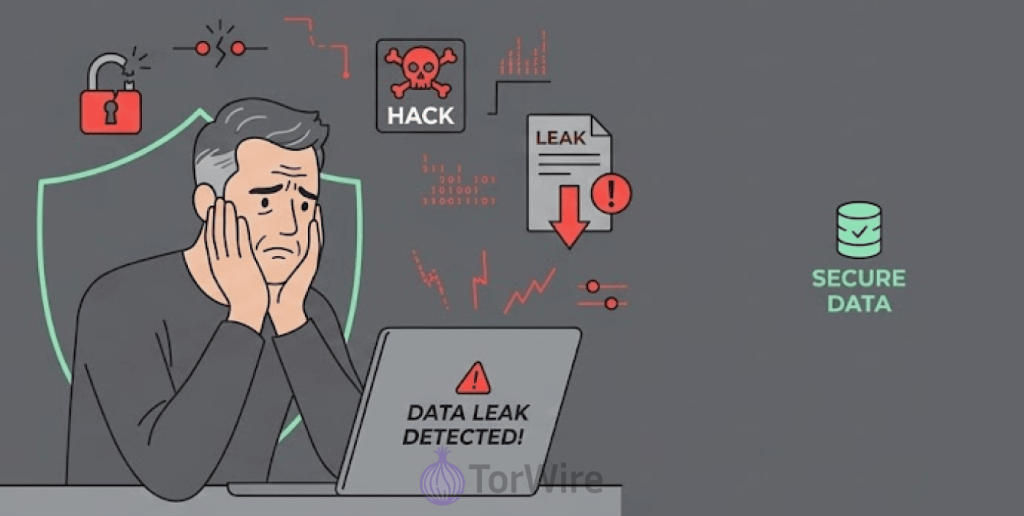
Data leak protection systems are always going through the organisation’s network, monitoring the movement of information ( going in or out) like instant messages and emails and observing patterns in their movement, including the formats to confirm if they follow the company’s security policies.
If information leaves the network or doesn’t comply with company policies, security personnel receive a notification and carry out further investigations.
Meanwhile, the system blocks flagged information from leaving the network until investigations are complete. Most data leak protection tools operate in different ways.
- Exact file matching: The method tracks important files by comparing their digital signatures to a secure index of other known critical files. It does this to both information in motion(data traffic) and data at rest( stored information).
- Regular expression matching: The process is a continuous search for particular types of information like social security numbers in 9-digits, credit card numbers in 16-digits and other information with specific details or format.
- Categorization: First, the system identifies sensitive information and checks whether it complies with company security policies, usually by verifying the file group it belongs to.
- File analysis: The system performs a complete check of information databases to ensure they are adequately protected and free of vulnerabilities.
- Lexicon matches: When the security engine goes through all the files that are on transit, checking to see if they have certain keywords. The system’s dictionary contains these keywords. If outgoing information includes any of them, the system blocks the traffic and alerts security personnel. They control the security policies of the organisation.
- Structured data fingerprinting: Another file matching technique but more accurate. It indexes important information from the database into special cryptographic hashes to observe leaks. For instance, it can identify columns containing client credit card numbers or IDs, even if only partially copied.
- Statistical analysis: The system observes and learns patterns in the movement of information in the network. This helps it to note when there is a change in movement or format of the information that is leaving their network. The system flags any changes and raises an alert.
Why is Data Leak Protection Very Important?
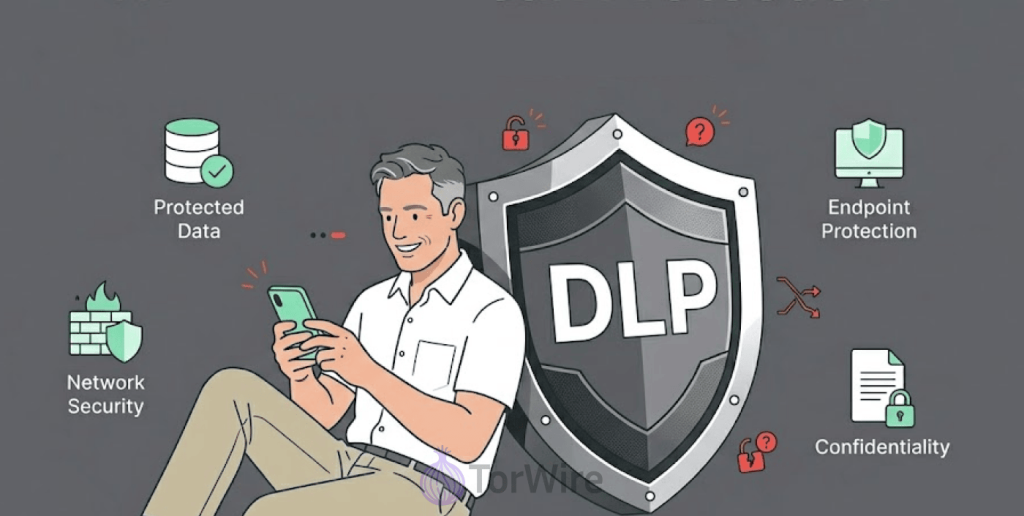
We cannot overstate the importance of data leak protection. It not only prevents unauthorized access to personal or sensitive information but also stops criminals from using that information to blackmail users or organizations into paying ransom, losing significant funds, or even risking bankruptcy.
It prevents information theft that could delay company operations. We also have the problem of lawsuits that come from customers connected to the organisation that lost user’s data.
Such customers may also lose their information which the company is also holding. They can sue the organisation for breach of trust. It’s a nasty situation overall. There are key reasons why data leak protection is very important.
1. Remote Work is Secured
Having endpoints that access the Internet from different locations has moved away from the traditional connection to the internet, making it difficult to manage such endpoints. Hackers know this and are in constant search for weakness in the company’s network. Data leak protection systems are so important in this scenario.
2. Regulatory Compliance
Every organisation should make sure they are up to standard on what’s required from regulatory bodies like PCI-DSS, HIPAA, and GDPR. It shouldn’t end there. The organization should take extra steps to ensure that third-party platforms also meet these requirements.
Most organisations security checks are good but that of third parties are usually below standard. It becomes a weak link for hackers to use. The organization should close these loopholes.
3. Management of Threat from Inside
When information leak prevention is followed accordingly, it reduces the chances of a data breach, including the ones from inside the organisation. It could be by accident which is human error or deliberate when a staff wants to compromise the organisation’s data.
Having data leak protection systems makes it difficult for an insider to give away information to other parties. The company manages this risk by restricting information access to staff within the relevant jurisdiction, as we mentioned earlier.
4. Financial Protection
Security checks on company information helps to protect the organisation from avoidable financial loss. These internet fraudsters steal data and demand ransom before returning it to the organization.
These attacks are called ransomware attacks. Organisations have lost millions to hackers over the years and continue to do so to date. Also, when criminals steal information, it delays the organisation’s operations until they recover the missing information either from the hackers after paying ransom or from backups in their systems or outside their systems.
The stakes are even higher when the attackers threaten to leak sensitive patient data, as seen in the MEDUSA ransomware attack on Southwest C.A.R.E. Center, where the gang demanded payment while holding patient information hostage with the threat of public exposure.
5. Increased Visibility
When the organization implements security checks that constantly monitor the network and communication channels, it can view every aspect of the network.
The system lets an admin track information usage, verify the correct user, detect potential data leaks, and spot other suspicious activities. It exposes and checks nearly all weak spots.
6. Protection of Intellectual Property
Data leak protection keeps strategic plans, business information, and trade secrets safe from exposure. For instance, coca-cola and other similar platforms have managed to keep secret the ingredients used to produce their drink.
This makes sure no other platform will use their trade secrets to produce their own drinks. People view Coca-Cola’s secret ingredients as intellectual property. Competitors can still time contract hackers to steal such information. This is what makes data leak protection very important.
7. Strong Data Security
An overall good security measure limits the risk factor of information leak to almost zero. A good security check requires different layers of protection as one is never enough.
A combination of trained workers with other security tools, including a VPN will go a long way to make it difficult for hackers to find weak spots in an organisation’s system.
8. Protection of Brand Image
When an organization leaks information, customers lose trust in the platform. Clients may develop trust issues and, in some cases, could sue the organization for compromised or stolen information. The reputation of the company becomes tainted and that’s bad for business. Business is about trust for any customer.
For customers concerned about whether their own data has been compromised in a breach, free dark web scan tools offer a way to check if their email, passwords, or other personal information are already being traded on underground forums.
Why is Data Leak Prevention Critical for Mobile Apps?
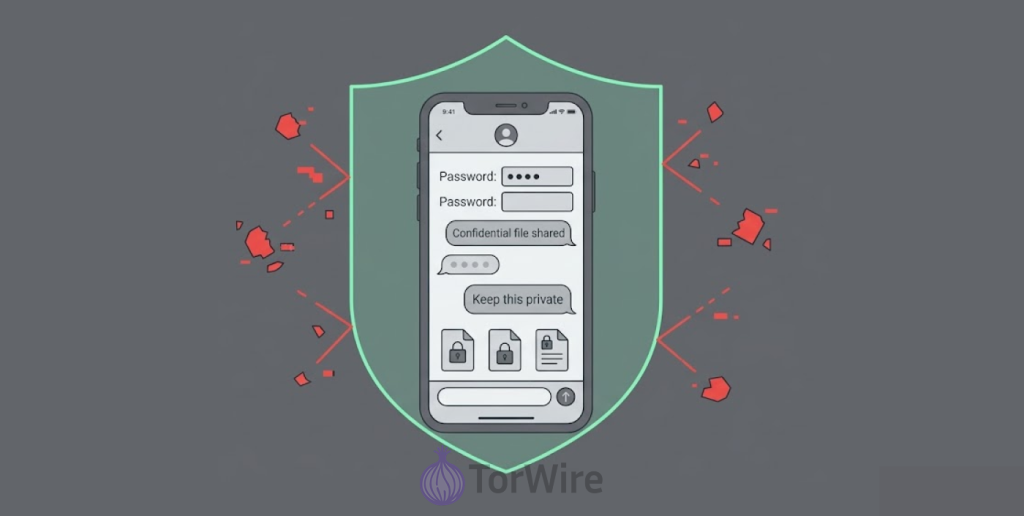
Internet fraudsters love to explore possible openings on mobile because of a lot of reasons which include:
- Stolen/lost devices: If such devices fall into the wrong hands without passwords, encryption, or a remote wipe feature, someone can access and use the sensitive information stored on them. There are cases of folks losing their phones and receiving debit alerts from their banks on their second device.
- Insecure storage: Many mobile apps store sensitive information without encryption, exposing this data to the public.
- Openings in API: If security checks do not properly patch APIs, the system is highly likely to leak information to the wrong hands.
Installing a strong security check on a mobile device helps close these gaps by enforcing security policies on apps and integrating them with Mobile Device Management (MDM) systems. With this, mobile apps will no longer be a weak opening for hackers.
What are the Main Causes of Data Leaks?
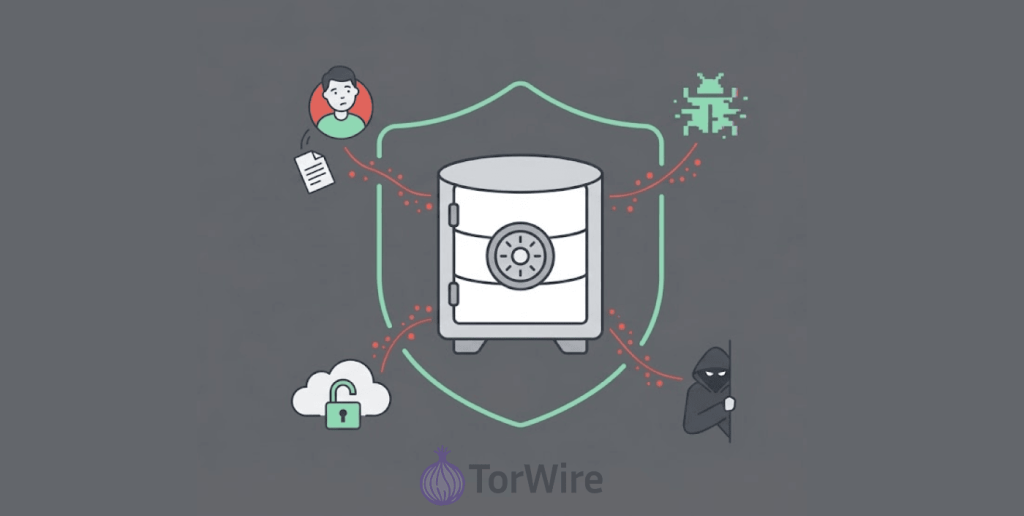
Data leaks happen through channels that let information be tampered with. Understanding these methods is crucial, as it helps us counter the risks. Let’s cover them:
1. Malicious Attacks
This is usually the most frequent method of breaching information. Internet fraudsters look for weaknesses in an organisation’s network or security checks and exploit them.
One of the major ways they achieve this is through phishing emails where the hacker sends an email which previously may not contain a dangerous link or attachment.
The hacker uses social engineering to pretend to be friends with good intentions. Once the user has built trust in the hacker, they can be convinced to click on a link or attachment that contains the malware.
The moment a link is clicked, the malware is downloaded into the user’s device and compromises the files in it. The files could be encrypted by the hacker or stolen completely. In both cases, a ransom is demanded.
Information theft came into place when some victims refused to pay the ransom. These criminals devised a way to steal information away from the victim’s device or network with threats to expose such sensitive information to the public.
2. Human Error from Staff/Vendors
This is perhaps the most neglected channel of information leaks by many organisations. At times, hackers are gifted information leaks from the carelessness of a staff.
Gifted in the sense that internet fraudsters spend lots of time looking for weak spots to bypass a security check. Mistakes from staff of the organisation saves them time as they usually act immediately when the data is leaked.
Training the staff on the dangers of being careless goes a long way to reduce such risks. Also, the staff should be taught on how to identify possible threats and how to eliminate them. The human error aspect should be dealt with as quickly as possible.
3. Threats from Inside
When someone from the organisation wants to compromise the system, it’s much easier to do so compared to hackers who are trying to get into the system. The insider is already into the system.
Has been acknowledged by the system and even vetted for. This is what makes them more dangerous as they already have been given access to sensitive information.
As we can see, it is important to check the family and other backgrounds of workers before employing them. If there are certain patterns in their past behaviour that are suspicious, that should be a red flag.
This is very important for workers who will be employed in the financial department of the organisation. Most people can’t handle seeing large figures and can be tempted to have some for themselves.
Also, make sure staff from other departments don’t get access to financial information. This will help to reduce inside threats.
4. Misconfiguration of Infrastructure
A misconfiguration of server settings(default), unsecured database and APIs and cloud storages like AWS S3 that are misconfigured. An example is when an S3 Bucket is left to be accessed publicly can result in both data leak and data loss.
5. Weak Security Policies
How good a data leak protection system will be is dependent on what security policies they have. For instance, because the company wants to appeal to potential customers, they might give away permissions easily in the name of being user friendly. Others don’t have regular security audits done.
We should point out the dangers of using passwords that aren’t strong. Hackers know that most people use their birthdays or that of a loved one as their passwords, making it easy for them to steal the passwords. Also, there are common phrases used by most people and should be avoided.
When there is no two-factor authentication, once the password has been compromised, the hacker has the account.
6. Open Vulnerabilities
Every system has weak spots and failure to cover up those can attract internet fraudsters to bypass the security check. Such weak links should be patched up.
7. System Errors
System errors can cause sensitive data to be exposed like when bugs exist and cause crashes. If an API is corrupt. It can expose the users data because it doesn’t have enough input validation or access control.
What are Types of Data Leak Protection?
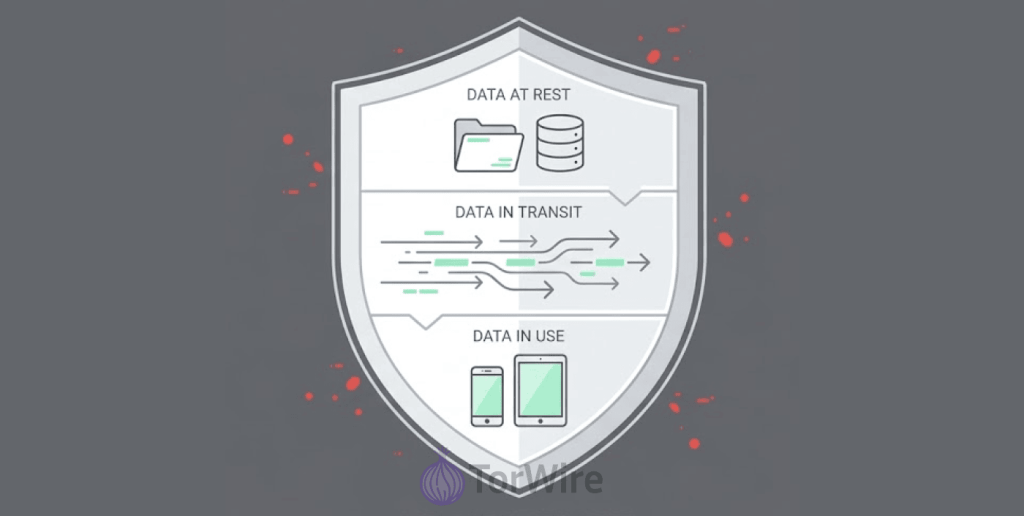
The protection obtained from DLP can be categorized into the following groups:
- Email security DLP: These are special security tools that make sure users don’t send sensitive emails mistakenly or otherwise to persons not authorised to receive them. It reduces the human error when it comes to emails and puts a check on phishing emails too.
- Endpoint DLP: Endpoint is another term for enduser. These are security tools that are downloaded and installed on a user’s device like servers, laptops and mobile phones. The aim is to observe and control information movement like to stop screen captures, printing and USB copying.
- User Activity Monitoring (UAM): Tools like this are designed to monitor behavioural patterns of users so that when they go out of line or act suspicious, it will be noted and further investigations are done in real time. To achieve this, User and Entity Behavior Analytics (UEBA) is used to spot abnormal behaviours of users.
- Network DLP: It requires placing security tools on network edges to seek, examine and stop any sensitive information from being transferred like web uploads and emails. Even internet fraudsters will find it difficult to steal sensitive information on that network as those will also be blocked.
- Encryption & Access Controls: Information is encrypted, both the ones being transferred and the static ones. Then multi-factor authentication is used as an added layer of security. That’s not all. A tool known as Role-Based Access Control (RBAC) will be added. When all these are done, only users who are authorised can get their hands on such information. The risk of information leak is next to zero here.
- Cloud DLP: These are security checks usually on SaaS applications like cloud storage(Azure, AWS),Microsoft 365 and Google Workplace. They seek out unauthorised sharing and bad configurations which can be a weak link in the security set up. As information stored in clouds has become a target, organisations and people alike can be at peace, knowing their sensitive or personal information is very safe.
- Data grouping & Identification: Such security tools help to group information based on how sensitive they are like intellectual property and secret information and choosing a security policy that suits them. It helps to spot the data that matters the most since all information on the organisation can be a lot to monitor.
- Training and awareness for workers: The workers should be trained on security measures to use and also be aware of the dangers of data leakage and how being careful on their part can be very useful in stopping information leaks. It will go a long way to reduce human errors.
What are the Core Components of a Data Leak Prevention Strategy?
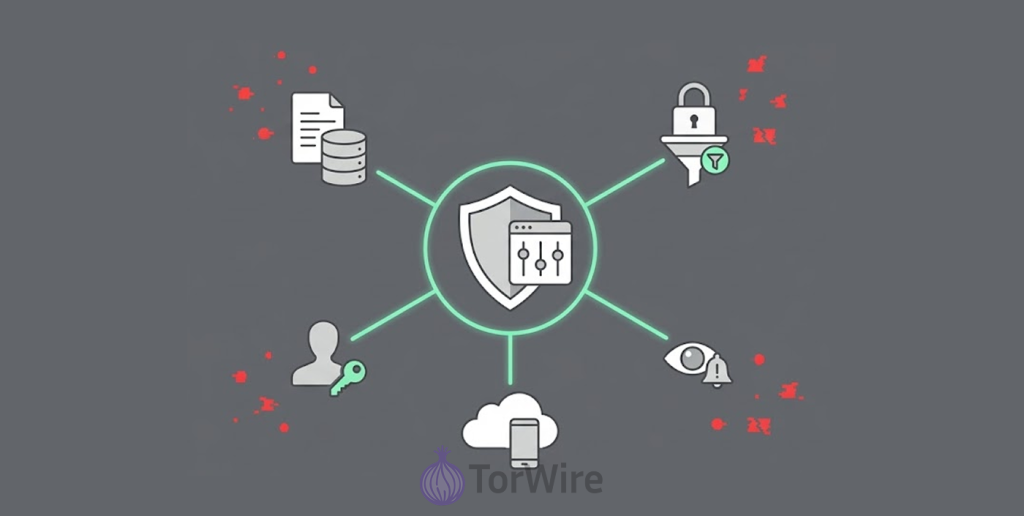
These are the components that work together to produce the system that stops information from leaking. They are what makes up the data leak protection system.
- Encryption: This is the process of coding files in such a way it doesn’t make sense. It is scattered, looks meaningless and incoherent. It’s particularly useful if information is stolen. This way, the thief won’t be able to make sense of what they stole or how important or sensitive it may be. Also, when it comes to paying ransom to these internet fraudsters, the victim can decide to ignore the hacker and do a factory reset of their computer and start all over again. If the files stolen have backups, the user can start from there, saving them time to begin operations again.
- Information discovery and grouping: Most organisations have so much files and information to go through. It will be a difficult task to protect all of them. This is where this tool comes in by selecting and putting information in different categories depending on how sensitive they are. The sensitive ones will be protected by a stronger security system. Saves time by prioritising what’s important.
- Endpoint protection: The importance of protecting information from the users end is crucial to stop data leaking from their device into the wrong hands. Security tools should be installed from the users end like VPNs and anti-virus.
- Monitor and track: The entire network of the organisation will be constantly monitored, looking for abnormal activities from their staff or outsiders that could signal a threat. Investigations into such deviations are done immediately to stop a possible attack.
- Policy engine: More or less the brain box of the security system. This unit makes sure the security policies of the company are followed. Sensitive materials are put in one group and then given the security they deserve depending on what has been programmed into the system. This is literally what drives the security policies of an organisation.
- More layers to security tools: It won’t hurt to combine your security check with other security tools like Cloud Access Security Broker(CASB), Security Information and Event Management(SIEM) and protection of users devices. Such combinations truly fortifies the defense of the network and makes it very unlikely for either a breach or leak to happen. With such a thick layer of defense, the encryption of information(both stored and on transit) is protected. We know that data that’s in transit is usually intercepted by unwanted parties. Even when that is done, they won’t be able to make sense of the information without the key that unlocks the encryption.
- Staff awareness program: Because data leaks are usually human error, it is important for organisations to see training of staff in this aspect as a top priority. Once the staff become more careful with how they handle sensitive information, including spotting possible threats from outside, that could reduce the risks by 80%. This should be the first priority.
What are the Benefits of Data Leak Protection?
- Compliance to regulatory bodies: When a company meets up with security expectations from bodies like GDPR, PCI DSS and HIPAA that come with specific standards, then available weak links of security are next to zero. Data leak protection (DLP) makes sure these standards are followed.
- Better visibility: When a security check is used in an organisation’s network, all the movements of information are constantly observed and analysed. Nothing is hidden anymore.
- Stop possible malicious attacks: Thanks to constantly observing information traffic, the security system can see possible threats and block them before any damage is done to their files.
- Manages inside threats: With the help of grouping information and granting permissions only to workers in the field, it is easy to spot a staff with the wrong information. They will be stopped, questions will be asked and investigations will begin.
- Secures all data: The beauty of having a DLP system is that all information in the organisation’s network is protected. This includes information in use from endpoints, information at rest that is stored and information on transit(traffic).
- Guards intellectual property: The trade secrets of the organisation are protected to ensure competitors don’t get their hands on them. Lets say the competitors quality of goods or service is below that of another company, they may try to get their hands on information that will improve their quality from the other organisation.
- Reduces risks of information leaks: When security checks are implemented and followed accordingly, the existing vulnerabilities will be drastically reduced.
What are the Best Data Leak Protection Practices?
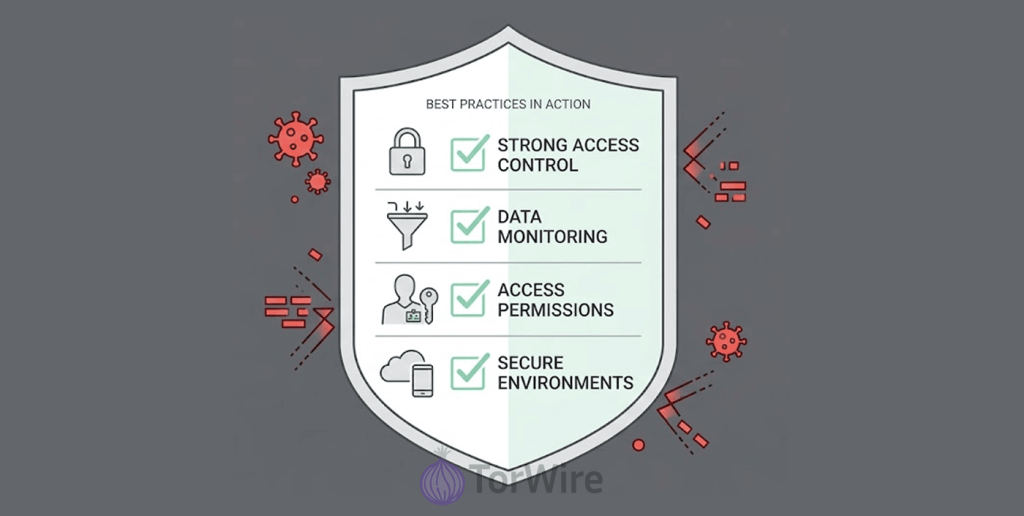
1. Awareness for Workers
This is the first step that should be taken when addressing data leak security. It is dangerous to have staff that don’t know the dangers of information leak in the organisation. By not having clues they have become weak points that can be played with by fraudsters.
So, the first line of defense is to train staff about data leaks, the damages, how to identify them, what to do when it happens and to stop it from happening in the first place.
With such training, your workers have become part of the security check to add to any other checks you have. It is important for staff to know that human mistakes can lead to information leaking to the wrong hands and teaches them to be more careful while doing their jobs.
Human mistakes cannot be completely wiped off but at least,training your staff limits them. Because human mistakes will always happen, it is important to include other security checks to further reduce the risks.
2. Protection of Endpoint
By endpoints, we mean from the user’s end. They mean users’ devices that link up with other connections remotely like the Internet at large. Your mobile phone or computer is an endpoint. Other endpoints that communicate with the Internet could be servers or VPNs.
Most organisations have such devices scattered in different locations in the world. As much as this gives them more coverage to reach more customers, it’s very difficult to monitor them for breaches. The Best example of a conventional protection for endpoint is a Virtual Protection Network popularly known as VPN.
As good as VPNs are, there is still a need for other security checks to be put in place as VPNs alone are not enough, especially when you consider the threats on the internet that keeps evolving and adapting to new security checks.
VPNs have been compromised through phishing attacks(usually through an email) to convince workers into granting access to the VPN or any other security checks to the internet fraudsters. This takes us back to the importance of training staff to be able to identify phishing emails and not get fooled by them.
3. Reporting and Auditing in Real-Time
An online reporting system is very important. Organizations should implement a system to monitor actions related to data and detect if any information has been breached or altered.
If information is corrupted (cannot be used) or completely stolen, immediate reporting helps prevent leaks. Even when a leak is unavoidable, quick reports can at least reduce the damage.
The organization’s network operators (admins) receive notifications whenever such changes occur. This practice is especially useful for protecting information stored in the cloud. The moment such reports get to an admin, they can begin to investigate the report in real-time to shut down any possible threat.
4. Check for Third Party Risks
Third party platforms pose serious risks to folks and organisations and bad actors are quick to check for such weak links. The reason is because third parties usually don’t have serious security checks like the ones found in an organisation.
Some don’t have any at all. Hackers can use these third party platforms to gain entry into an organisation’s information. Third party apps don’t share the same security policies with an organisation. For instance, Duckduckgo, a search engine known for privacy offers protection of information for users on their websites or search engine.
But when search results are shown, and the user clicks on links that take them to other websites, duckduckgo cannot offer protection and privacy on other websites. So if the website visited is malicious, duckduckgo can’t protect the user.
These other websites are third party platforms. There are no guarantees. But if one must use third party platforms, the following checks should be don:
- Check their attack surface: Organizations should provide vendors with a list of security questions. Or you can use a third party attack surface checking method.
- Check the security policy of vendors: It’s important to have a look at the security checks of an organisation’s suppliers to see if it is in line with their own security checks and check for possible weak points in their system. If a vendor’s platform is compromised, the organization also faces a high risk of a breach.
- Check their compliance: The organizations should conduct risk assessments on suppliers to ensure they comply with regulatory standards such as SOC-2, PCI-DSS, GDPR, and HIPAA.
These steps help verify that suppliers don’t create security risks for the organization.
5. Protecting Cloud Information
Because of the limitations on the storage capacity of devices like mobile phones, laptops and computers, this has led to the use of clouds as another way to store information.
In most cases, information stored in clouds is usually very sensitive or personal in nature. Internet fraudsters have also made this their target simply because of the nature of information kept there.
We have had cloud leaks like the one experienced on Apple’s cloud in 2014, reported by BBC News where Apple customers, mostly celebrities, had their cloud information leaked, including nude pictures and personal videos. To save face, Apple denied the breach was a security bypass.
Other notable cloud leaks include the Oracle cloud leak in 2025, which affected over 140,000 people, and the Microsoft leak in 2023, where their AI mistakenly exposed about 38 terabytes of information, including staff workstation backups. The situation was chaotic.
There are steps to take to reduce the risk of cloud leaks. Let’s get it:
- Checking of risks in third party platforms and automation: Organizations should vet and audit third-party platforms to manage cloud security and reduce the risk of data leaks.
- Check cloud storage settings: Organizations should closely monitor these platforms, especially when handling business operations information or during deployment.
- The use of customised business systems: These tools should manage cloud operations to minimize the risk of data leaks.
6. Manage Permissions
An organization should share information only with people who need it or whose job responsibilities require it. For example, engineering or IT staff should not have access to the organization’s financial information.
The security personnel shouldn’t have information about how much the organisation makes. Some organizations keep salary amounts secret among employees to prevent envy or feelings of being disenfranchised.
Every organisation should categorise their information and give permission only to those in that field. Sharing information to almost anyone in the organisation gives rise to an insider compromising the organisation or giving out such information to outside platforms. This protects sensitive information and reduces the risk of a leak.
7. Protect and Manage Secrets
Secrets are basically sensitive information in an organisation or keys that grant access to such information. Organizations must guide them carefully and take the matter seriously. A staff member should not share such information with a staff member from another department.
One of the weakest points of any security check is the human factor. Bad actors or competitors can obtain sensitive information by compromising or bribing people. It could be that the staff made a mistake(not intentional) that resulted in information getting to the wrong hands. Cyber attacks compromise information when criminals exploit weak points in a network to gain access.
Limitations of Data Leak Protection
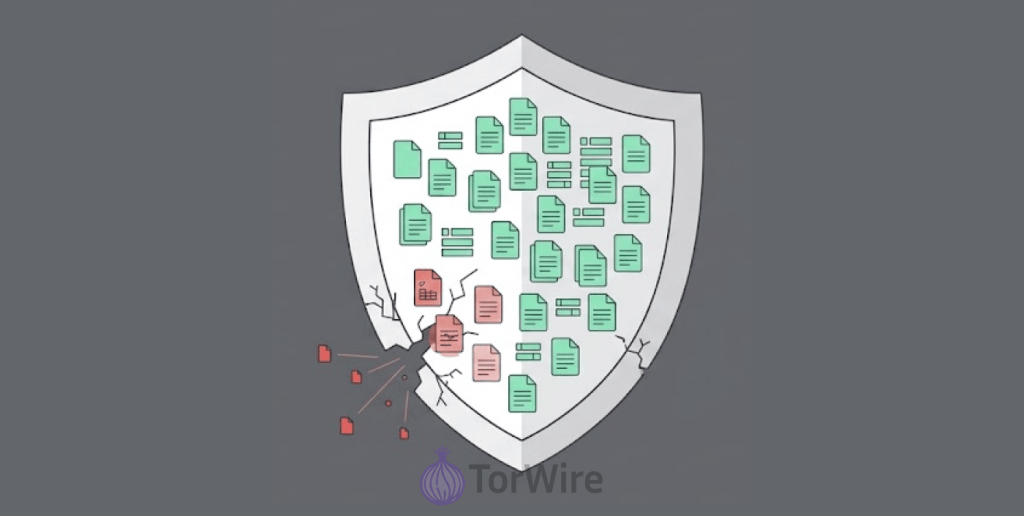
The importance of data leak protection are numerous and are very important to ensure uninterrupted operations of the organisation or individuals. However, it comes with some challenges as nothing is perfect. Let’s see what they are:
1. Unable to Handle Insider Threats
When staff have access to sensitive information, the company has little ability to stop those who intend to steal it and take it outside.
2. Encryption Issues
As much as encryption is a good thing as it makes the information meaningless in the wrong hands, it also makes it difficult for any data leak security check to effectively scan sensitive information. This makes inspection very difficult.
3. False alarms
While scanning through the networks for potential threats, DLP systems can flag bonafide business information as potential threat and in some cases, would not flag the true potentially dangerous information.
4. Problems with Data in Motion/Cloud Storage
A data leak protection has a better chance of being effective within its network. But the moment information is leaving the network, it struggles to be effective.
When employees store information on personal devices like mobile phones and laptops, the organization struggles to monitor it. The same goes for data stored in unauthorized cloud services. By contrast, information kept within the company’s network is much better secured.
5. Expensive and Complex
To use a data leak protection security can be pretty expensive and very complex to use. Getting someone an expert to handle it can also be very expensive. Training the staff on how to use the security system can be time consuming and expensive in the long run. We might add that it likely costs far less than dealing with a ransom demand.
6. Privacy Issues and Resistance
In some cases, strict monitoring systems can make staff feel that the organization is invading their privacy, prompting them to try to bypass security controls. Once they succeed, they may feel tempted to use the same methods to steal sensitive information from the organization.
7. Performance Issues
Constant threat monitoring can slow down the network and reduce overall operational efficiency, leading to poor productivity.
8. Limited Scope of Operation
Data leak protection mainly prevents sensitive information from leaving the network, but it does not effectively stop external attacks like phishing emails that steal credentials instead of data.
Differences Between Data Leak Prevention and Data Loss Protection
We know that data leak is mostly unintentional human mistakes while data loss mostly from a cyber attack. The difference between data leak prevention and data loss protection becomes very interesting:
| Feature | Data loss protection | Data leak prevention |
|---|---|---|
| Compliance | Meets up with expectations from regulatory bodies and uninterrupted operations. | Controls information flow through regulations like Payment Card Industry Data Security Standard(PCI DSS) and General Data Protection Regulation(GDPR) |
| Major focus | Prevents information from being destroyed or lost | Stops sensitive information from getting to the wrong hands. |
| Areas of operation | Storage systems and recovery of information after information theft. | Network traffic, users devices, emails, storage systems. |
| Case study use | Making sure that information is recovered even if cyber attacks were successful. | Emails that contain credit card numbers are blocked from going outside the organisation. |
| Risk management | Lowers the possibility of information to be deleted or unavailable. | Lowers the risk of attack from internet fraudsters and information exposure. |
| Technology | Software backup, encryption and replication | Inspection of information, encryption and information analysis. |
| Main functions | Backup and recovery of information. | Observing, tracking and stopping sensitive information. This includes the ones at rest(stored), on transit(traffic) and the ones in use from the user’s device. |
| The goal | Making sure that information is available and has not been compromised, even during cyber attacks. | Tracks and analyses information to stop unauthorised parties from getting their hands on them. |
Parting Word
Data leaks have cost many companies millions of dollars in ransomware payments. Data leak can lead to data loss and in turn, lead to interruptions in operations and delays to resume operations.
Delays also cost money as time is money. Luckily, human mistakes cause most data leaks, so people can avoid them in most cases because they are usually unintentional.
With the help of awareness programs for the staff which includes knowing the dangers of information leaks and how to stop sensitive data from falling into the wrong hands, the training alone will go a long way to reduce the risks in data leaks.
This is the first recommendation before putting other security checks in place. Double or triple your security checks by combining them with other security tools.
FAQs
Yes. They can protect laptops, mobile phones and other mobile devices through the Mobile Device Management (MDM) and end user agents. These controls prevent users from improperly distributing, copying, or downloading sensitive information, even outside the organization’s network.
A lot of DLP systems handle or monitor such files because they have access to the key used to unlock the encryption. The system also uses endpoint agents to monitor activity and track when users violate security policies before compression or encryption occurs. Unfortunately, some of this information can still leave the organisation’s network without the security checks noticing it.
Data leak prevention stops employees from accidentally sharing information, while data loss prevention covers a broader scope by preventing data exposure caused by misconfigurations, theft, or system errors. Both terms ultimately stop information from getting into the wrong hands.