-
A hacker in Argentina has reportedly breached the national transit payment system to sell unauthorized rides for free.
-
Videos that show a fare-free card scan are not conclusive, because subsidized riders normally have zero fare.
-
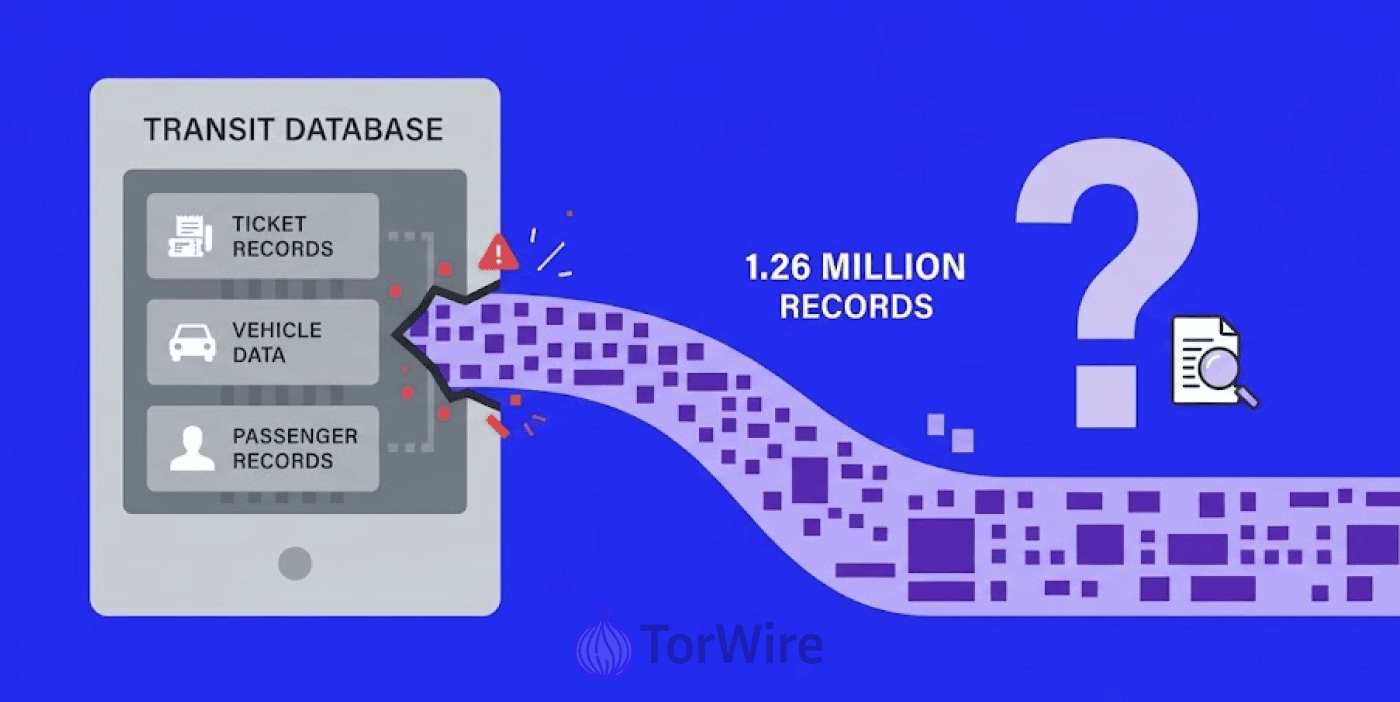
The hacker gave information only for three people, which makes his assertion of having stolen 1.26 million records unproven.
An Argentine hacker has announced that he managed to penetrate the public transport payment system of the country. The malicious actor is allegedly intending to sell fraudulently obtained zero-cost rides to local residents via social media sites.
However, cybersecurity specialists and market commentators have curbed the surge of rumors about the breaches of the database. The listed evidence from the actor looks dubious, while the alleged hacking lacks confirmation from security experts currently.
Unverified Claims Surrounding Public Transit System Exploits
The online threat actor publicly claimed ownership of stolen personal records belonging to over 1.26 million transit users. Furthermore, the individual asserted that the stolen database contains full legal names, assigned card identification numbers, and government subsidy details. The hacker announced plans to monetize these unauthorized access methods by offering riders illegal free transit access for a fee.
Various digital community websites and social media platforms are concerned about these claims. As a result, citizens have started questioning the reliability of national transport databases and central payment systems. Digital privacy campaigners often keep an eye on such announcements to evaluate the dangers associated with central government identity databases.
Besides, the intruder stated that his personalized software helps to overcome central server verification checks during live transactions. He assured potential clients of the capability of his altered digital cards to work around regional fare regulations. Nevertheless, independent scientists noted that tampering with local smart card chips is quite tricky as it can trigger automated security alerts in the back office.
Technical Inconsistencies and Flawed Video Evidence
Despite the viral nature of the promotional video, technical experts pointed out major flaws in the demonstration of the hacker. The recorded clip shows a transit validator registering a transaction value of exactly zero currency units upon tapping the card. Nevertheless, the regional transit system naturally registers a zero-balance deduction for specific subsidized groups, including eligible students and elder.
Thus, this video does not showcase solid evidence that supports the assumption that there is an active attack occurring. Showing a normal zero-fare discount transaction provides no evidence that indicates an outside influence changed card memory sectors or modifications in the network validation process. Security researchers regularly analyze such public claims to distinguish real system vulnerabilities from simple social media hoaxes.
In addition, contactless smart card systems use encrypted cryptographic dialogues between local validators and central systems. The presence of a validator screen saying zero cost is also insignificant because it does not reveal card firmware information connected to a breach. The video alone is not sufficient as it has no actual evidence to support the claim.
Lack of Substantial Proof Regarding Mass Data Theft
Many question the veracity of the user database that allegedly contains more than 1 million records. The actor claimed to have proof of the alleged hack in the form of one screenshot of a dashboard that features the private information of only three people. Presenting only three disparate records as evidence of an alleged leak of 1.26 million database records won’t be enough to validate such a massive database hack.
Cybersecurity experts repeatedly warn the public to be cautious about unverified offers of sales of data. Also, it is known that hackers often reuse older leaked databases or provide fake previews of dashboards to attract buyers on marketplaces in the dark web.
Similar claims have surfaced involving alleged sales of large identity databases. Not too long ago, a dark web seller claimed 195 million U.S. and Canadian ID records for sale at $90,000, covering another dark web listing that claimed to offer a massive number of identity records. As long as there are no verified samples of leaked data or released security advisories from the authorities, the information remains unconfirmed.
Moreover, obtaining some user credentials sometimes happens through basic phishing techniques instead of direct database hacks. Also, perpetrators can obtain the credentials from a third-party site. Cybersecurity experts explain that exaggerating breach numbers is one of the popular tricks from online fraudsters to entice naive customers.
System Safeguards and The Reality of Contactless Transit Security
Recent public transport networks offer a multi-tier security system to guard transaction data and physical smart card devices. Mainframe computers monitor the validator packets in real time and analyze abnormal zero-fare taps or duplicate card data traveling through different routes. When the backend system identifies unusual cryptographic signatures, it will automatically notify and illegal the card number for the whole network.
In addition, transit authorities will constantly verify user registration portals to make sure social subsidy entitlements are linked to verified citizens’ accounts. Likewise, encrypting sensitive user data prevents casual observers from extracting identity details from public card terminals. Since the automated safety procedures remain active at all times in the background, any unauthorized attempts to interfere will result in account blocking.
Finally, people should be careful while they are waiting for official communication from transportation companies and law enforcement. Social media videos with no verification usually do not illustrate real problems in important public services. Good digital hygiene and proven security recommendations help avoid panic that stems from speculation about hacking.