-
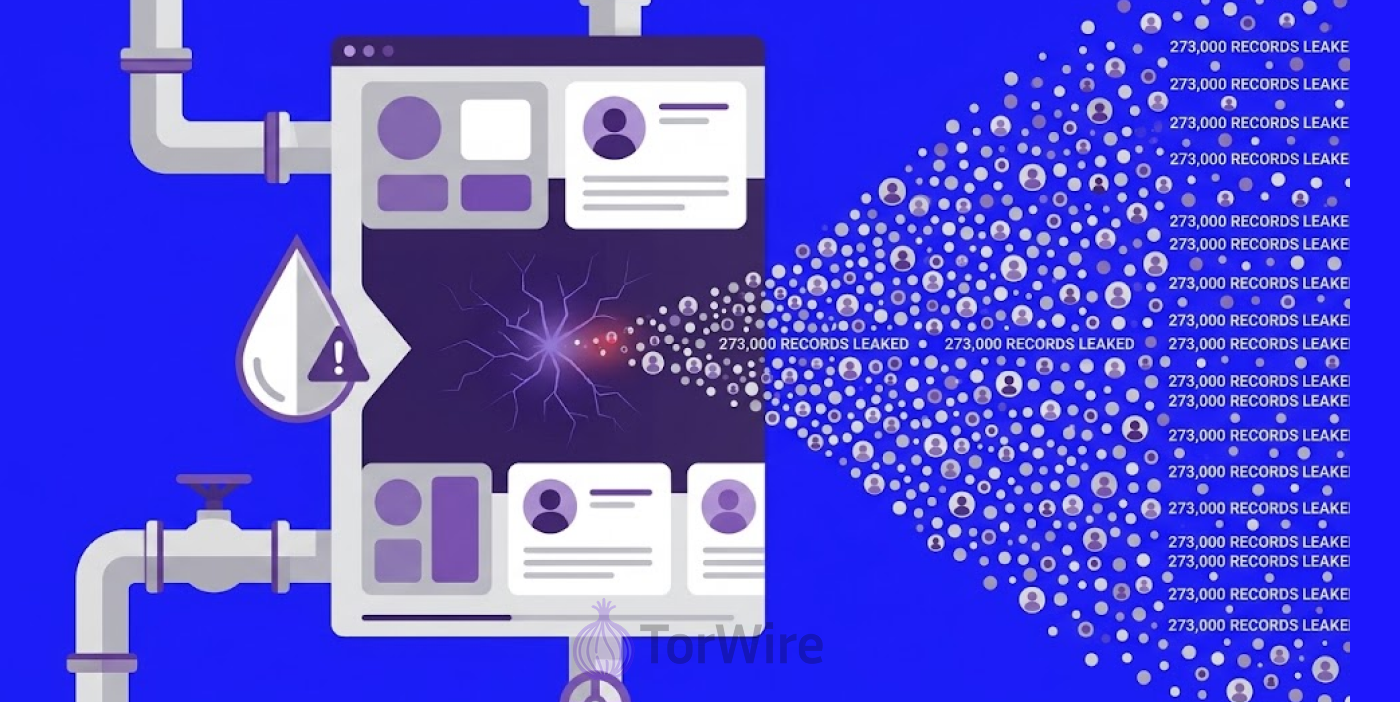
A hacker operating under the alias ChimeraZ claims to have published a database containing contact details for 273,229 Aqualter water management customers across two CSV files.
-
The released data consists of 187,073 phone numbers and 86,156 email addresses, but it doesn’t contain any bank cards, passwords or forms of identification.
-
Analysts in the cybersecurity field have not verified the source of the information, so it is unclear if the data came from a breach of the system directly or a third-party data breach.
An online hacker operating under the digital handle ChimeraZ claims to have leaked a customer database linked to Aqualter. Aqualter is a French company specializing in municipal water processing and distribution. The hacker posted the leak on an underground site where access to the data files was available directly.
The posted information indicates that the hacked files contain the personal contact details of hundreds of thousands of French citizens. However, company executives and cybersecurity experts have not verified the legitimacy or source of the dataset.
Scope and Structure of the Leaked Water Management Database
The cybercriminal posted a forum thread titled specifically to highlight the exposure of customer contact details. The threat actor mentioned that there are 320,936 records in this stolen database – which relate to 273,229 unique customers. The total database takes up around 7 megabytes of storage, presented in the format of CSV (comma-separated values) files.
The attacker split the extracted database across two distinct files to organize the stolen customer coordinates. The first document, stored in the file called 86K_emails.csv, includes email addresses of 86,156 registered users.
The second file, called 187K_phones.csv, includes the telephone numbers of 187,073 clients. Consequently, security analysts noticed that the total data lines exceed the actual client headcount, meaning some users maintain multiple records.
Sample extracts visible on the hacking forum show organized data fields linking internal customer identifiers directly to personal contact details. However, the published sample does not expose high-risk credentials like account passwords, credit card details, or national identity documents. Therefore, the immediate financial impact remains limited compared to breaches involving stored payment records.
Evaluating Phishing and Social Engineering Risks for Impacted Citizens
Even though access to financial codes is not breached, a leak of private communication details puts such utility users on the radar of phishing attacks. Criminals frequently acquire stolen contact directories to carry out phone scams and deceptive messaging campaigns. In this case, they can assume the identities of local specialists and get hold of clients’ payment information.
Moreover, attackers can match newly leaked contact information with previously disclosed data, thus increasing their chances of reaching their goals. For instance, combining some active phone numbers with earlier disclosed addresses makes social engineering calls more credible.
Furthermore, utility customers in France face heightened risks of fake billing notices that demand immediate electronic payment for municipal water services. The French national cybersecurity agency ANSSI frequently alerts public utility users to inspect email headers before responding to digital payment demands.
Also, security specialists recommend that people remain alert for unanticipated communications concerning water company updates or changes in accounts. Those who receive dubious text messages or emails need to reach out to service providers using their official telephone numbers instead of clicking on any links within the message. Besides, the French authority for data protection, CNIL, provides tips to consumers about how to report identity theft and stop suspicious calls.
Unverified Claims and Uncertain Origin of the Stolen Files
Despite the public forum listing, security researchers emphasize that the origin of the extracted records remains completely unconfirmed. The forum thread provides no technical details regarding specific system vulnerabilities, server intrusion dates, or compromised software components. Consequently, investigators cannot confirm whether the hacker breached Aqualter directly or stole data from an external third-party contractor.
In addition, threat actors often rebrand old dataset compilations to fabricate fresh network intrusions on underground forums. Criminals inflate record counts and attribute stolen coordinates to major regional corporations to build credibility within hacking communities. Therefore, security specialists must wait for an official incident report from French authorities before confirming a successful network breach.
In September 2026, a threat actor claimed to have leaked 4.9 million Republic.com user records on a cybercrime forum. The alleged data included names, email addresses, and phone numbers, but Republic.com has not confirmed the breach, and no independent researchers have verified the dataset.
Until Aqualter completes a thorough digital forensic investigation, the true scope of the exposure remains uncertain. IT teams must audit internal database logs, monitor system access points, and inspect API connections to isolate potential leak points. Taking these proactive investigative steps ensures that security teams identify actual network gaps while protecting corporate infrastructure.
Protective Measures and Incident Response Protocols
Organizations managing municipal infrastructure must enforce strict database monitoring protocols to prevent corporate data extraction. Implementing zero-trust architecture helps network administrators detect unusual file export activities before attackers exfiltrate large databases. Furthermore, encrypting stored customer contact lists reduces the utility of extracted data files if unauthorized users gain system entry.
Utility companies should also establish automated alerting mechanisms to notify security operations centers about mass file downloads. Restricting employee access rights to essential customer lists minimizes internal exposure risks across regional offices. Moreover, utility providers must maintain clear communication protocols with customers to deliver quick breach notifications during verified cyber incidents.
Public utility companies are experiencing a rise in cyberattacks from independent hackers who seek fame on the Internet. Therefore, consumers should apply preventative measures in their digital hygiene practices, which should involve the verification of identities of senders and caring for their preferences regarding contacts. Investigations are ongoing, but it is important for residents to monitor all messages from local water agencies.