-
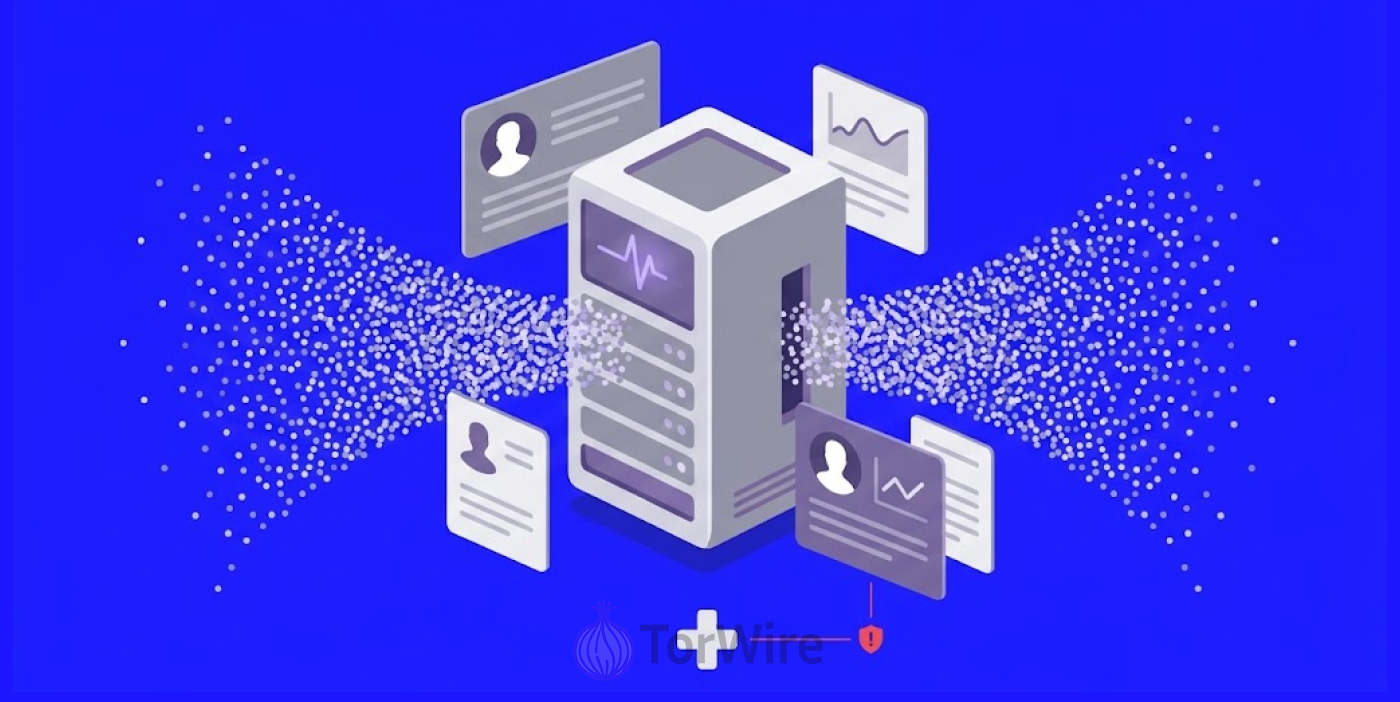
More than 4.1 million people had their personal and medical details exposed after hackers broke into AdaptHealth’s systems.
-
The attackers tricked a contractor’s account through social engineering, then slipped into cloud systems holding patient records.
-
Names, contact details, insurance information, and health records were leaked, but Social Security numbers and bank details stayed safe.
AdaptHealth, a major U.S. healthcare company, has confirmed a cyberattack that hit more than 4.1 million people. The breach happened in June and now ranks among the biggest healthcare data leaks reported in 2026.
According to AdaptHealth’s notice, the attack took place on June 5, 2026. The company only learned about it on June 15, after a hacker reached out and claimed to have stolen data from its systems. AdaptHealth then launched an investigation, brought in law enforcement, and worked to contain the damage.
Hackers Tricked Their Way Into the Systems
This wasn’t a case of hackers exploiting some hidden software flaw. Instead, AdaptHealth said the attackers used social engineering to take over a user session tied to a third-party contractor. In simple terms, they tricked someone into handing over access.
That stolen access opened the door to several of AdaptHealth’s cloud-based business tools. These included internal systems used to manage patients and store documents. The attackers also reached external electronic health-record portals during the break-in.
Things got worse from there. The hackers also grabbed a stored password file linked to insurance billing, based on reporting from SecurityWeek. That matters a lot. Stolen passwords can often unlock even more sensitive systems down the line, giving attackers a second way in.
This kind of trick works because it targets people, not machines. A contractor clicks the wrong link or shares access without realizing it. Suddenly, a company’s entire patient database sits exposed to strangers online.
Millions of Patients Caught in the Breach
AdaptHealth’s investigation found that 4,115,802 people had their information exposed. That number places this breach among the largest healthcare incidents of the year.
The exposed data may include names, phone numbers, and home addresses. Health insurance details and general health information were also part of the leak, according to the company’s notice.
There is some relief here, though. AdaptHealth confirmed that Social Security numbers were not stored in the affected systems. Bank account numbers and credit or debit card details remained unaffected. So far, the company says it hasn’t found any proof of identity theft or fraud linked to this incident.
Still, the size of this breach says something important. Healthcare companies increasingly store patient data on cloud platforms and hand access to outside contractors. When just one contractor account gets compromised, millions of patient files can suddenly be at risk. A single mistake by one outside worker put over 4 million people’s private health details in danger.
AdaptHealth Responds and Notifies the Public
Once AdaptHealth discovered the breach, it moved to shut down the compromised account right away. The company reset passwords tied to the incident and added extra layers of security to block further access.
AdaptHealth also brought in outside cybersecurity experts to help investigate the incident. Law enforcement received notification early in the process, and the company says it has now contained the threat.
The White House has proposed allowing vetted private firms to conduct offensive cyber operations against foreign cybercriminal networks. The plan would let companies work directly with the DOJ or DHS, but critics warn of accountability and diplomatic risks.
Affected patients have since been notified directly by mail or email. AdaptHealth is also offering at least 12 months of free credit monitoring and identity-protection services to anyone impacted. Anyone who receives a notice should sign up for that coverage right away.
The public first learned about this breach through a filing with the U.S. Securities and Exchange Commission back in July. AdaptHealth followed up with a more detailed notice in August, spelling out exactly what data was exposed and how many people were affected.
Cybersecurity outlets picked up the story soon after. Both SecurityWeek and BleepingComputer reported on the scale of the breach, drawing more attention to how it unfolded. Healthcare Dive also covered the disclosure, noting the wider pattern of stolen patient data across the healthcare sector.
This incident shows how a single trick aimed at one person can put millions of patients at risk. No Social Security numbers or bank details were stolen this time. But names, health records, and insurance information still carry real value to criminals. Medical details can be used for insurance fraud or targeted scams that feel very convincing.
Healthcare organizations rely more and more on outside contractors and cloud tools to keep operations running. Each new connection creates one more possible entry point for attackers.
AdaptHealth’s response, quickly shutting down access and offering protection services, shows the right steps to take after a breach. But the incident itself is a clear reminder that even trusted partners can become the weakest link in a company’s defenses.