-
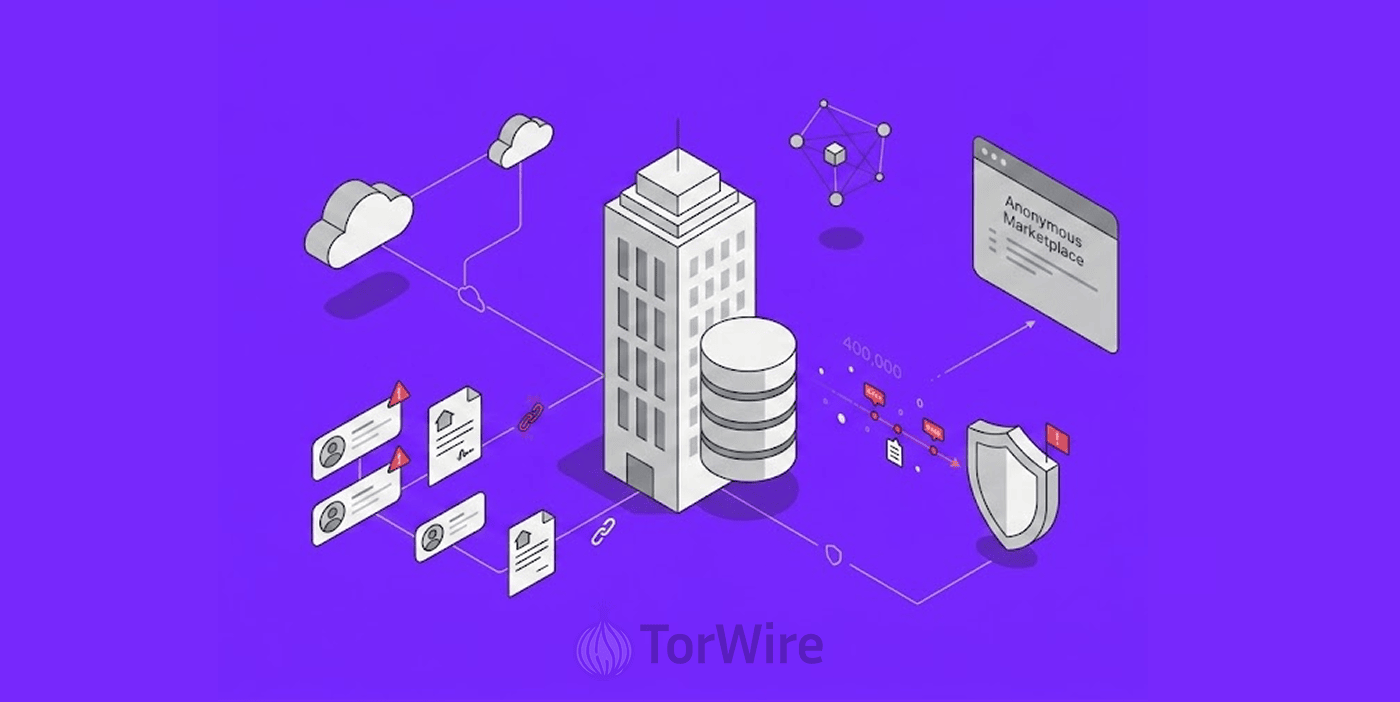
An anonymous hacker claims to have stolen four hundred thousand customer files from a popular real estate mobile application.
-
The seller is demanding ten thousand dollars in digital currency and offers to provide extraction proof to buyers.
-
Security experts warn that the exposed data could trigger widespread property fraud and phishing campaigns across the region.
A stealthy internet thief claims to have stolen a massive customer database from a prominent regional property firm. Consequently, this alarming announcement has caused widespread concern among thousands of property buyers across the area.
The digital attacker is currently advertising the stolen file collection for sale on a hidden online marketplace; the hacker expects to receive a substantial payment in untraceable digital tokens from prospective buyers.
However, independent safety researchers have not yet confirmed the authenticity of these stolen digital records. Therefore, corporate security managers must investigate their network systems to verify the alleged intrusion immediately.
Unpacking the Alleged Data Extraction from the Property Network
The malicious actor targets a highly popular housing application called DAMAC Living. Regular homeowners use this specific internet hub to arrange maintenance visits and pay property fees online.
Additionally, many residents upload their official identification cards to the network to complete unit handovers. The targeting of user databases mirrors other incidents, a hacker has claimed to sell an alleged Association.fr database on a cybercrime forum. Because of this high utility, the system stores a large volume of sensitive buyer records.
The thief claims the downloaded collection contains exactly four hundred thousand individual customer files. Furthermore, the seller asserts that they discovered a weak point inside the online portal code.
They utilized this software flaw to pull out the database before the corporate team fixed the problem. To attract buyers, the criminal group offers to show clear proof of the extraction to any interested party. Meanwhile, they demand a flat price of ten thousand dollars to hand over the entire collection.
However, the seller refuses to accept regular fiat currency for this transaction. Instead, they require the final payment in popular digital assets like Bitcoin or Monero to mask their tracks.
The DAMAC Properties portal represents one of the largest luxury development hubs in the region, making it a high-value target for global threat groups. Consequently, the local community remains highly anxious while waiting for an official confirmation from the corporate executive board.
The Severe Security Dangers Threatening Real Estate Customers Across the Region
If these claims are entirely genuine, the leaked files could create massive problems for regular citizens. Devious internet scammers can use the contact details to launch highly convincing tricks against local property owners.
Specifically, they write fraudulent electronic letters that mimic the official corporate style perfectly to steal money. A thief might send an urgent notice claiming you owe a penalty fee for your house.
Since the letter includes your real home unit number, you might believe the message is completely true. Consequently, innocent homeowners may send significant amounts of money straight into a fraudulent bank account.
Additionally, company officials could encounter the risky possibility of being victims of misleading messaging in their workplaces. Shady actors routinely manipulate human trust through social engineering tactics to bypass traditional corporate defense systems.
Moreover, the exposure of private cell numbers can lead to a surge in annoying spam calls. Criminals sell these contact sheets to various shady advertising groups operating around the globe.
Consequently, victims must endure constant telephone interruptions from unknown callers every single week. Therefore, the ripple effects of a property portal leak can damage public confidence in the local economy.
Critical Preventive Actions Required to Guard Digital Consumer Applications
At this moment, the technical team running the home management application needs to take necessary measures without delay. They have to check their server logs and figure out whether there have been any unauthorized setups of downloads.
They must inspect their virtual doorways to ensure that no hidden backdoor access points remain open today. Meanwhile, the operators should enforce a mandatory system-wide password reset for all registered portal users immediately.
Additionally, the firm must send an open warning alert to its entire customer network without delay. Honest communication allows regular buyers to secure their individual bank portals before any financial damage occurs.
Users are advised to create long and complex passwords comprising random words, symbols, and numbers that make it hard for computer hackers to crack. Additionally, people may utilize two-step verification on their mobile devices to prevent fraud from happening. This security measure helps one to protect his or her account despite a hacker having their valid password.
Global standards established by the World Wide Web Consortium emphasize that robust authentication protocols remain the primary line of defense against modern credential theft.
Instead of ignoring the danger, smart consumers must monitor their electronic statements closely for strange movements. If you notice an odd transaction, you must alert your financial institution right away to freeze the account. Ultimately, maintaining strong daily network habits provides the best defense against global data theft rings.
