-
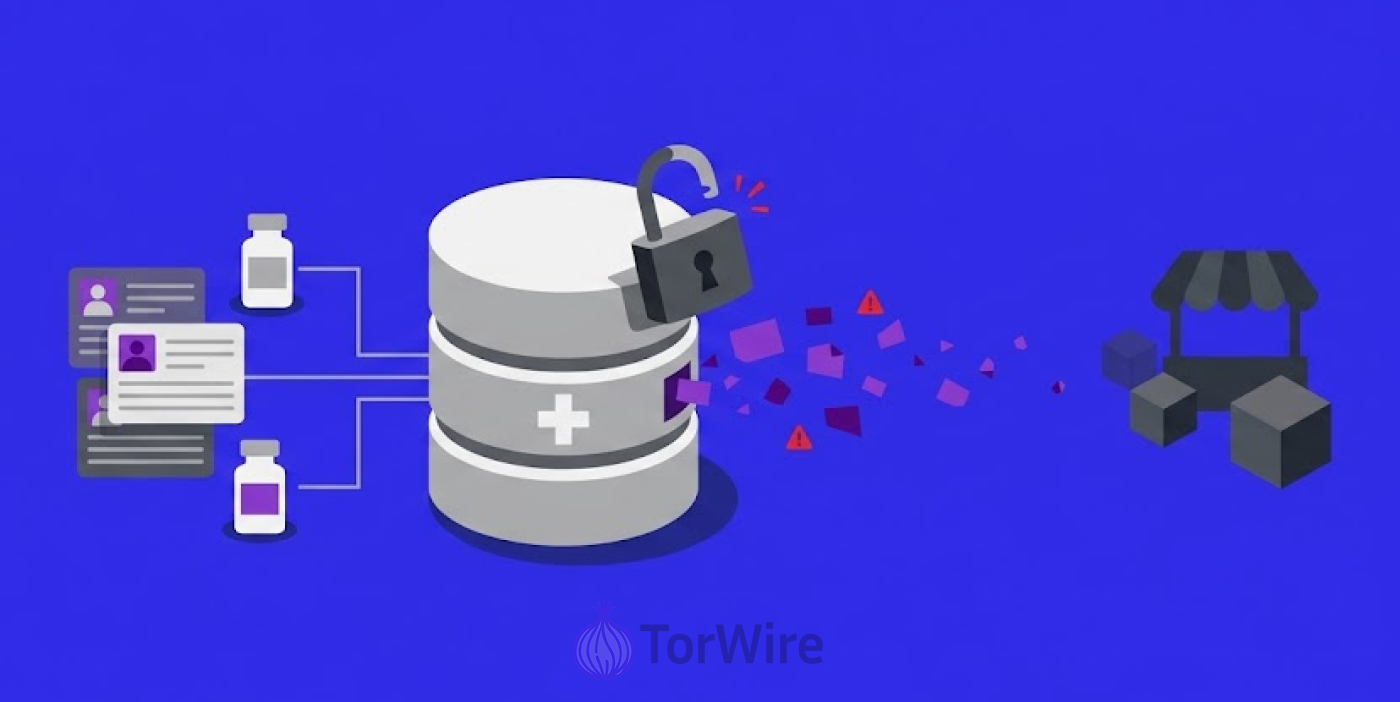
Authorities arrested 28 suspects and seized 356 electronic devices during coordinated operations in Ghana and Nigeria.
-
Meta removed more than 3.7 million Facebook and Instagram accounts, pages and groups linked to suspected scams.
-
Investigators found 117 trafficking victims in Ghana and over $11 million in potentially freezable funds.
The FBI and its international partners have disrupted suspected online scam networks in Nigeria and Ghana. The operation led to 28 arrests. Investigators also found more than $11 million in funds that could possibly be frozen.
FBI Director Kash Patel announced the results on October 13. He described the crackdown as part of Operation Blackout. This wider campaign targets international scam networks that go after Americans.
The US Department of Justice confirmed the arrests and seizures in an official announcement. The statement covered an international enforcement effort called Joint Disruption Week. According to the Justice Department, police from several countries teamed up with technology companies. Together, they worked to break up fraud networks across West Africa.
Authorities Arrest 28 Suspects and Find Trafficking Victims
Officers made 19 arrests in Ghana and nine in Nigeria. They also seized 303 electronic devices in Ghana. Another 53 devices came from Nigeria. That brought the total to 356 devices. Ghana accounted for most of the activity. It saw 19 of the 28 arrests and 303 of the 356 devices.
Investigators in Ghana also identified 117 people who were allegedly trafficked. Scam compounds allegedly forced these people to work against their will. The Justice Department said the victims are Nigerian nationals. They are now waiting to be sent back to their home country. The Justice Department shared these details in its official announcement.
Authorities found 89 more people who allegedly lost money to scams tied to the Ghana operation. Their reported losses add up to about $8.3 million.
The suspected schemes took several forms. Some criminals pretended to be law enforcement officers. Others ran digital arrest extortion or cryptocurrency investment fraud. Cryptocurrency is digital money that people send online. Some people call the last type “pig butchering.” In these schemes, criminals first build trust with their targets. Then they pressure victims to send money or invest in fake deals.
Nigeria has also faced allegations of financial-sector data exposure, including a reported breach affecting one million Sterling Bank customers that remains under investigation.
Meta and Other Tech Firms Help Shut Down Networks
Meta separately confirmed a large cleanup on its platforms. The company removed more than 3.7 million accounts, pages and groups from Facebook and Instagram. It linked all of them to the suspected fraud networks. Meta also gave law enforcement leads on more than 30 suspected scam centers.
Meta did not act alone in this effort. The wider initiative included 15 companies in total. Fourteen other technology companies joined the effort. They included Google, Microsoft, Coinbase, OpenAI and Starlink. These firms worked with the UK National Crime Agency, the FBI and the Justice Department. Their goal was to find the networks and stop them.
The UK National Crime Agency said the crackdown brought police and tech companies together. They aimed at criminal groups working across Africa. They also aimed at the systems those groups use to cheat people. Meta added that the suspected networks targeted people in the United States, the United Kingdom and other places.
The $11 million figure needs a careful reading. Private sector partners marked those funds as potentially freezable. Freezable funds are money that authorities may be able to lock, so criminals cannot spend it. This does not mean authorities have already returned the money to victims.
Social Media Users React to the Operation
Patel’s announcement drew many reactions on X. The posts appeared after Patel shared the results of Operation Blackout. Several users praised the arrests and the push against international fraud. The Patriot (@ThePatriotTea) welcomed the operation. The user wrote that Operation Blackout goes after global scam empires that target Americans. The user called it FBI work that people truly want.
Another user, HVYMTL (@thehvymetal), thanked the agents involved. This user said the world had robbed American taxpayers for decades and that this must end. Words Have Meaning | Word Files (@dlcampbell05) backed the arrests too. The user said scammers who target Americans deserve prison. The user also urged officials to keep hitting these networks.
MrNobody62 (@MNobody62) thanked the FBI director and his colleagues. The user then said Nigeria had been caught, a nod to the arrests. These posts come from individual users. They do not measure public opinion. The results also highlight a key point. People must tell criminal networks apart from the wider populations of the countries where investigations take place.
The arrests and account removals mark a major disruption. However, they do not prove that authorities have dismantled every suspected network. They also do not show that every victim will get their money back.
The Justice Department said the operation produced leads for more investigations. Meanwhile, the trafficking victims in Ghana still wait to return home. The case shows how online fraud can involve many countries, digital platforms and cryptocurrency payments. Authorities and technology companies keep working together to find the people behind these schemes. They also continue to disrupt the systems that let the schemes run.