-
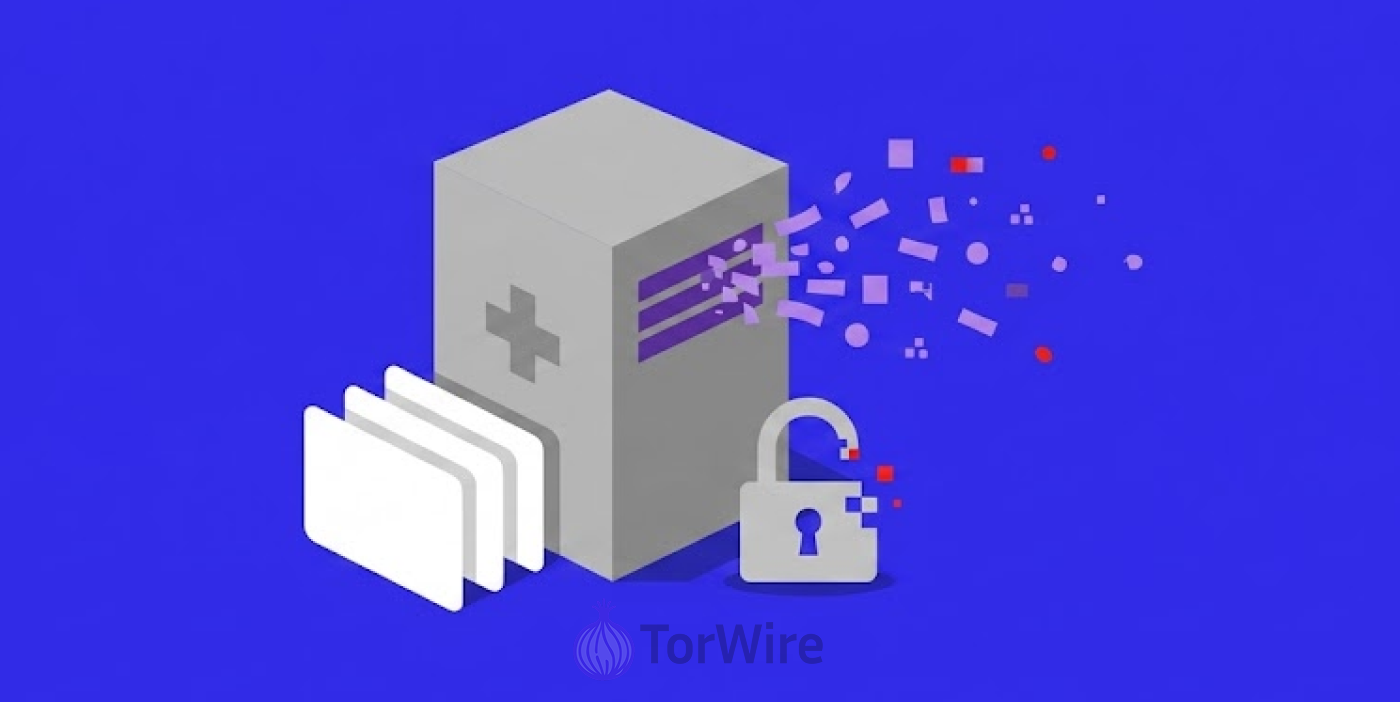
A cybercrime intelligence account on X shared reports of a threat actor who claimed to have over 80 million records linking to South African pathology provider Ampath Laboratories.
-
The dataset the hacker claims to have includes medical, identity, employee & financial information, plus technical files.
-
There is no independent verification of this incident as at report time leaving the authenticity, scale & potential impact of this claim uncertain.
A potential data security incident which seemingly involves Ampath Laboratories has drawn attention online. This was after a cybercrime intelligence account on X reported the alleged data theft on 13 October 2026.
According to what Daily Dark Web’s report shows, a threat actor operating on an underground forum claims to have a large amount of information about a company in South Africa.
The company Ampath Laboratories is a pathology provider. The volume of information the hackers claim to have goes beyond 80 million records. As for now, there is no verification of this figure anywhere.
What the Alleged Dataset Contains
The Daily Dark Web report shared many categories of information in the hands of the threat actor as he claimed. The information includes patient records, admission dates, plus medical details & South African identity numbers.
There is also contact information plus human resources records, employee information, financial data plus system configuration material. The hacker also claimed to have in his hands, source code & dynamic-link library (DLL) files belonging to the same company. According to the threat actor the information came from 10 of 375 databases.
However, the available report does not have any explanation on the structure of those databases. Also there is no report on how the bad actor counted the records or whether he got everything from a single incident.
The total in the report should therefore be interpreted cautiously. Without an independent examination of the evidence, the precise volume & composition of the alleged dataset remain unclear.
The Ampath allegation comes amid wider concerns about exposed South African data, including reports of cybercriminals selling stolen information at very low prices, as breaches surge.
Why Medical & Identity Information Could Put People at Risk
Healthcare information is usually very sensitive because it may reveal details about a person’s medical history, their diagnostic tests, or treatment. If the alleged records are genuine & contain information that could identify patients, exposing them could create risks that are more serious than mere losing of their privacy.
For example, criminals could make use of the identity numbers & contact details to impersonate individuals. They could make attempts to carry out identity fraud or create phishing messages that might seem so real.
Another concern is that knowing what a person discussed with a laboratory could also make fraudulent communications appear like the real deal. If employee & financial records are also there, the potential risks could affect staff members & the organisation itself.
These are possible consequences that might come up due to the types of information the report showed. This is not evidence that the bad actors have targeted or harmed anyone yet from this particular incident.
Notably, the South Africa’s Protection of Personal Information Act (POPIA) has the legal framework for protecting personal information belonging to the residents.
The level of risk in this case would depend on whether the data is real and actually from the company. Also, how much identifying information it contains & whether unauthorized parties can access or use it plays a part too.
Verification, Ampath’s Response & Regulatory Obligations
It will be important to establish the facts before anybody can treat the allegation as a confirmed breach.
The evidence necessary to validate these claims could be a statement from Ampath or findings from an independent cybersecurity investigation. Also any information from the relevant regulator in South Africa could suffice too.
Regarding technical review on this alleged data breach, it should establish the origin & authenticity of the material without unnecessarily exposing the private information belonging to the patients.
A close watch on Ampath’s official website & its contact page could be a source for verifying the hack. They are also the channels through which security experts could approach the organisation for comment.
Under South Africa’s POPIA framework, organisations have obligations in respect to protecting personal information. The Information Regulator’s guidance on security compromises explains the notification requirements that apply when the organizations meet the relevant legal conditions.
The next significant developments in this report would be for credible evidence establishing the source of the alleged files to emerge. Until then, the reported figure of 80 million records does not confirm the affected data or individuals.