-
Users can now use Firefox to access the internet securely and privately through Firefox’s free built-in VPN.
-
The free VPN will only protect users’ web browsing and excludes other applications (such as email and games), it may not work with certain streaming services.
-
As a privacy advocate, Mozilla claims that it maintains no logs of users’ activity, which makes it more likely that sensitive users will switch from Chrome or Edge.
Mozilla Firefox is making an impressive leap toward protecting its users by introducing a built-in-free VPN service. This is great news for millions of users who’ll now be able to use a VPN without paying for a separate subscription.
According to Mozilla, they are doing this as part of a wider strategy to provide privacy and make VPNs available to all rather than just those with the financial ability to pay for it. Users who use browsers like Chrome and Safari will not have access to a free built-in-VPN as they do with Firefox, so that puts Firefox at a significant advantage.
The new VPN feature operates directly in the browser. Users won’t have to download any extra software, nor create another account; they will simply turn the VPN on or off at the click of a button. This benefit removes a sizable barrier for many everyday users who find the traditional VPN process confusing and expensive to use.
How the Firefox VPN Protects Your Privacy
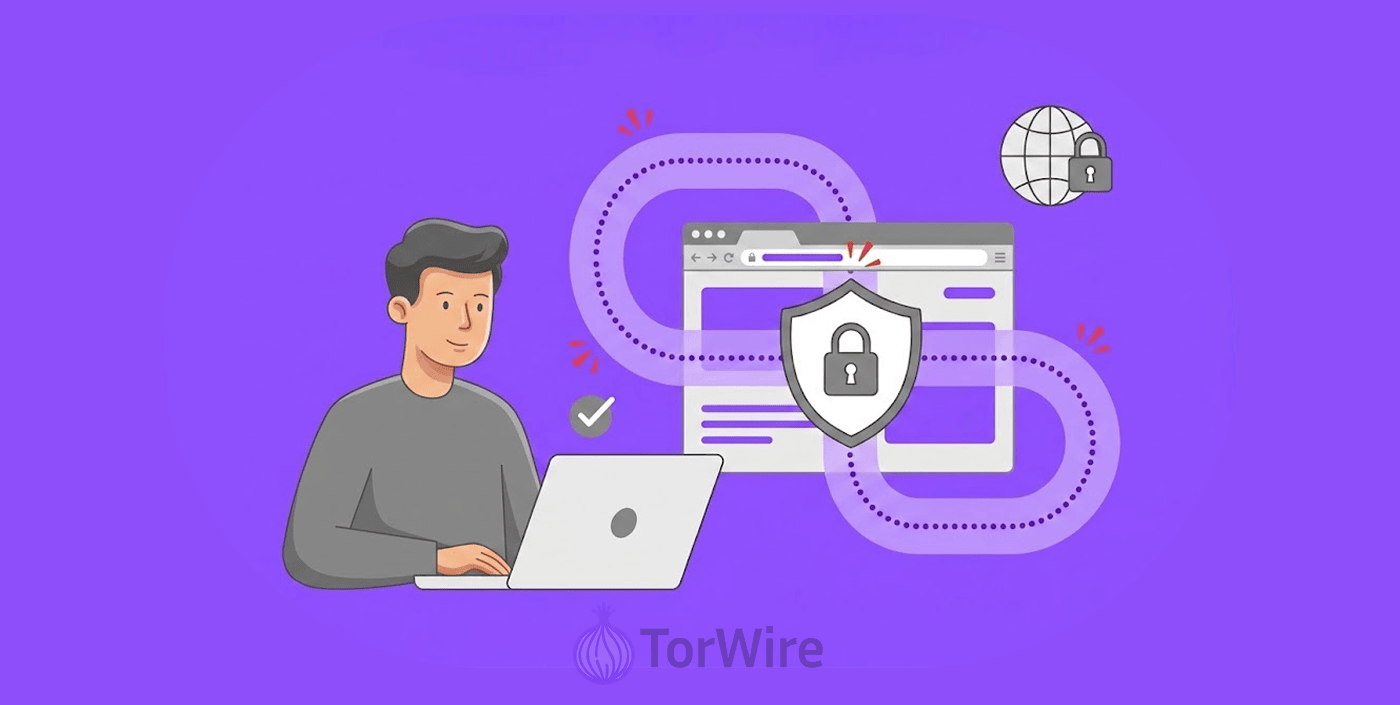
The Firefox VPN protects the user’s private information from the Internet provider, hackers, and advertisers. By using the VPN in Firefox when browsing the web, Firefox will protect your data by creating a secure tunnel for all the data and traffic generated through the Internet.
When using the VPN, it protects all of the user’s activity on the Internet through encryption – such that no one can monitor the user’s activity and makes it invisible to the Internet provider.
Users will not only be able to protect their data from view, but they can also change their IP address, thereby creating a location for themselves that is different from their actual location.
This allows them to use the Internet without tracking and allows them to avoid companies following them on the web and collecting data about their browsing habits to develop a profile on them.
The Firefox VPN provides an added layer of security to the user’s data when connecting to public Wi-Fi hotspots, as it routes the user’s data through secure servers. The VPN is most beneficial to users who connect to public Wi-Fi networks in coffee shops, airports, hotels, etc., to transact business.
Therefore, even if some user activity may appear to be being logged by Google because the user is using a Google app, the user will have an additional layer of protection, as Mozilla does not collect any records of the user’s Internet activity.
Current privacy concerns about the use of VPNs and whether an individual is able to remain anonymous while using them relates to how private and safe it is to browse the Internet using someone else’s Internet service. Many users have their own Internet service through WiFi or DSL; therefore, most users can save between $5 and $15 per month, or $100 per year, by using the free version of the Firefox VPN.
What You Lose Compared to Paid VPNs
The free Firefox VPN comes with some limits. One of the restrictions is that users can experience reduced speeds and features unlike those from paid VPNs; the latter generally provide faster connections, more server locations, and unblocking capabilities for streaming services such as Netflix and Hulu.
Another limitation of using the free built-in VPN provided by Firefox, is that it only protects traffic passing through the Firefox web browser. Therefore, if you are using an email, a game, or a video conferencing application other than Firefox, those applications may be exposed to your actual IP address. The paid version of a full device VPN would provide an additional layer of protection by encrypting data for all applications on your device.
Streaming services often block known VPN services and therefore it is possible that the free Firefox VPN won’t allow you to stream content from services such as Netflix, Disney+, and BBC iPlayer. Many premium VPN services are very good at circumventing the restrictions that streaming services impose; however, Mozilla has not confirmed if the free VPN will allow you to bypass any of these restrictions either.
Should You Switch to Firefox for the VPN?
If you are already a user of Chrome or Edge, and want to create a free VPN, you have a reason to give Firefox a try. The Firefox browser is available for Windows, Mac, Android and iPhone. Firefox is quick and simple to install in under 5 minutes – the transfer of your bookmarks and passwords from another browser will be easy.
If you are someone who is concerned about privacy, you will appreciate the fact the tool keeps no logs and it is a built in feature you can use. You do not need to trust some random VPN company floating around on the internet. Mozilla has shown its commitment to fighting for the privacy of their users from the beginning – it funds Firefox through search engine partnerships instead of selling user data.
The average user looking to use the free VPN will have enough security for casual web browsing, however if you are a heavy user seeking to hide torrents, enjoy foreign streaming libraries, or protect all applications on your device, a paid full device VPN will meet your needs. As it stands now with the free VPN, Firefox has greatly upped the standards of what a web browser should deliver free of charge.
Mozilla’s commitment to user empowerment extends beyond free features, the company’s recent criticism of Microsoft’s Copilot rollout shows they will speak out against industry practices that undermine user consent, making them a rare advocate for consumer rights in the tech space.
