-
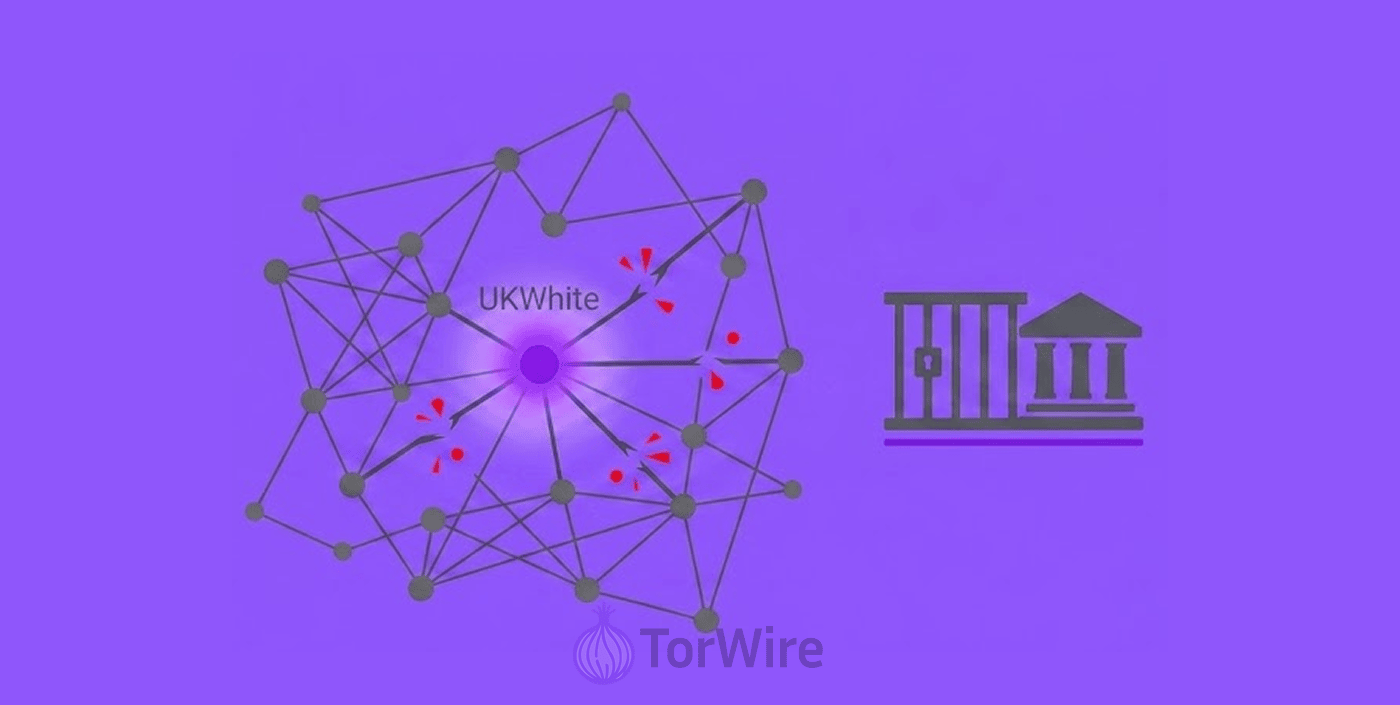
Helio Delfini, 43, of Southwark, received an eight-year prison sentence for his role in a dark web cocaine supply network operating under the vendor name “UKWhite.”
-
Delfini and two co-conspirators used cryptocurrency payments and anonymising technology to distribute more than 28 kilograms of high-purity cocaine across the UK and overseas over 14 months.
-
Years of painstaking digital forensic work and international cooperation allowed investigators to identify the men behind UKWhite and shut the operation down.
A south London man has landed behind bars for his role in a highly organised dark web cocaine operation that shipped drugs across the UK and beyond. Helio Delfini, 43, of Rotherhithe Street in Southwark, received an eight-year prison sentence on Friday (April 17) after pleading guilty in March last year to conspiracy to supply cocaine.
Delfini did not work alone. He ran the operation alongside two co-conspirators, Lucas Costa and Bruno Teles, all three operating under the dark web vendor name “UKWhite.” Together, they built a distribution network that quietly funnelled high-purity cocaine to customers across Britain and overseas for over a year.
Dark Web Operation Ran for 14 Months
Officers from the South West Regional Organised Crime Unit (SWROCU) traced thousands of transactions through the UKWhite account. The group distributed more than 28 kilograms of high-purity cocaine over a 14-month period, all posted from addresses in London.
Customers ordered cocaine in quantities ranging from half a gram all the way up to bulk shipments of 100 grams or more. The trio used the dark web to facilitate every sale and to mask their identities from law enforcement. Cryptocurrency payments and anonymising technology formed the backbone of their operation, allowing them to keep moving products while staying hidden.
Costa and Teles had already faced the consequences before Delfini’s sentencing. A court jailed Costa for 14 years and Teles for 12 years in February, after convicting them on two counts of conspiracy to supply cocaine and three counts of possessing a Class C drug with intent to supply.
Digital Forensics Cracked the Case
The investigation began in 2020 and took years of meticulous digital forensic work to crack. Authorities traced the online activity back to the men behind UKWhite through careful analysis of their digital footprints, supported by international partners.
Detective Inspector Ross Flay, speaking after the sentencing, made the point plainly. “Delfini and his co-conspirators used anonymising technology and cryptocurrency-based payments to run a sophisticated dark web drug supply network from his home in London,” he said. “However, through the painstaking digital forensic work carried out by colleagues and with support from international partners, investigators identified the people behind UKWhite and removed the vendor from the dark web entirely.”
The same investigative techniques are being used globally, New South Wales Police recently arrested a man for dark web drug sales involving cryptocurrency, showing that digital forensics and crypto tracing are becoming standard tools in law enforcement’s fight against online drug trafficking.
The case demonstrates how law enforcement agencies are developing stronger capabilities to pursue criminals who believe anonymity on the dark web makes them untouchable. The use of cryptocurrency and encryption tools once made operations like UKWhite extremely difficult to trace. Sustained digital investigation, combined with cross-border cooperation, proved that those tools offer less protection than criminals assume.
What the UKWhite Case Reveals
The UKWhite operation reflects a broader pattern that law enforcement agencies across the world are grappling with. Drug trafficking has increasingly moved online, with vendors using dark web marketplaces to reach buyers they would never encounter through traditional street-level dealing.
The scale of this particular operation makes it a significant case. Consider what investigators uncovered:
- More than 28 kilograms of high-purity cocaine moved through a single dark web vendor account.
- Thousands of individual transactions took place over just 14 months.
- Buyers ranged from small personal-use orders (half a gram) to large bulk purchases (100 grams and above).
- The operation ran from residential addresses in London while concealing itself behind cryptocurrency and anonymising software.
The combined sentences handed to all three men (34 years in total) signal how seriously courts treat this category of offending. Running a dark web drug supply network carries the same weight as any large-scale trafficking operation, and in some respects more, given the deliberate use of technology to obstruct detection.
For investigators, the UKWhite case is a demonstration of what sustained digital forensic work can achieve. For anyone operating a similar venture, it is a clear warning. Anonymity on the dark web is not guaranteed, and the people who believe otherwise are increasingly finding that out the hard way.
