-
Hackers claim they stole more than 200 million lines of data from French firm Auto-Planning.
-
They demand $33,333 and threaten to leak the files within 72 hours.
-
The breach is not confirmed, and the 18 million victim count is only an estimate.
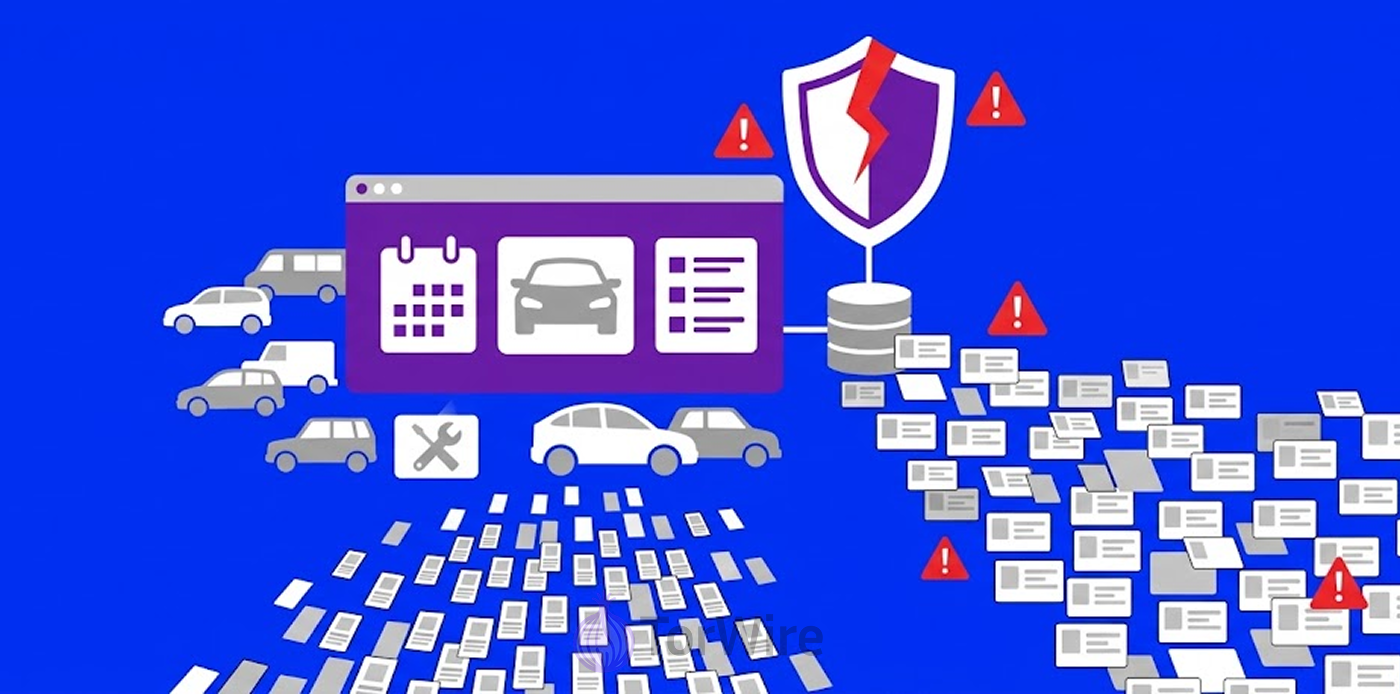
A French company that books car inspections is facing a reported cyberattack. Reports say the attack on Auto-Planning could affect about 18 million people and nearly 13.9 million license plates.
The attackers claim they stole more than 200 million lines of data. They want $33,333 to stop the release. Nobody has confirmed the breach yet, and the victim count is only an estimate.
Hackers Claim a Massive Data Grab at Auto-Planning
Auto-Planning runs online booking services for vehicle inspection centres in France. These are places where cars get checked. Reports say the incident surfaced on October 29, 2026. The reports rely on data samples and claims from the attackers.
According to the reports, the attackers say they hold more than 200 million lines of data. That data may cover about 18 million people. It may also include 13.9 million different license plates (the number shown on each car). The attackers also mention 92 million vehicle inspection appointments. Some records reportedly date back to 2008. So the files could hold information gathered over almost two decades.
A threat group called Operation GlassLodge claims the attack. A threat group is a gang that attacks computer systems. The group demands $33,333. It says it will publish the stolen data within 72 hours (three days) if nobody pays. That threat is also only a claim for now.
The reports stress that these numbers are only claims. Their estimates come from the available samples, not from the full files. That is not an official count of victims. The sources reviewed also found no independent proof that the attackers took the full dataset.
Samples Show Names, Plate Numbers and Appointment Details
Auto-Planning offers booking and appointment reminder services to inspection centres. The company reportedly works with more than 450 centres. However, the analysts found 791 centres and 694 domains or subdomains in the material they checked. A domain is simply a website address. A subdomain is a smaller address under a main one.
These numbers do not prove that every listed centre or website was hacked. Still, a problem at a shared provider could expose data tied to many businesses at once. Another reported incident in France’s automotive sector involves a hacker claiming that 34,000 Autobacs France customer records were leaked online.
The samples reportedly contain names, email addresses, and phone numbers. They also list vehicle registration numbers, plus car makes and models. Other fields show appointment dates and times. The records include centre names and addresses too. Finally, they show IP addresses linked to bookings. An IP address is a number that identifies an internet connection.
Together, these details link a person to a car, a centre, and a visit time. Vehicle makes and models name the brand and type of each car. Centre names and addresses show where each visit takes place.
The attackers also claim to hold 36,545 PDF invoices. An invoice is a digital bill. They say they have databases (organised stores of records) and source code as well. Source code is the set of instructions that makes software run. The invoices could contain more private details. However, nobody has confirmed that bank details appear in those files.
Reports also say the Auto-Planning and Auto Control Paris websites showed messages from the attackers. The available reporting does not show whether those messages prove real access to company systems. It also does not confirm how far the intrusion went.
Key Questions Remain as Scam Risks Grow
The incident raises worries about companies that handle personal data for many organisations. Yet the evidence so far is thin. The reports do not confirm how the attackers got in. They also cannot say how many people are truly affected. Nobody has shown whether the stolen data has gone public.
The reports also do not say how drivers can check whether their details are included. The reports link no fraud, car theft, or burglary to this case. Those harms are possible risks, not proven results.
If the data is real, scammers could use it. Contact details, plate numbers, and appointment times could make fake messages look genuine. Real details make a fake message feel trustworthy. A fake text might show your true plate number or appointment time.
That detail alone does not prove the message is honest. Criminals could pretend to be inspection centres and send fake appointment confirmations. They could also ask for payment of made-up admin fees. Some messages might claim to deal with traffic fines or vehicle registration steps.
Drivers who use inspection booking services should stay alert. Treat unexpected messages with care, even when they show correct car or appointment details. Do not click payment links in texts you did not expect. Anyone who gets a surprise message about an inspection should pause before replying. A short pause gives you time to check the facts. Instead, call the inspection centre using contact details you found yourself. Check any payment request with the centre before you pay.
France’s data protection authority, CNIL, tells people to take data breaches seriously. According to its guidance on data breaches, unauthorised access to personal data can lead to fraud and other harm. This is general advice. It does not confirm the Auto-Planning incident.
As of October 29, 2026, the size of the incident is still unverified. Until the company or the authorities give more confirmation, treat the 18 million and 13.9 million figures as estimates. They are not confirmed victim counts.