-
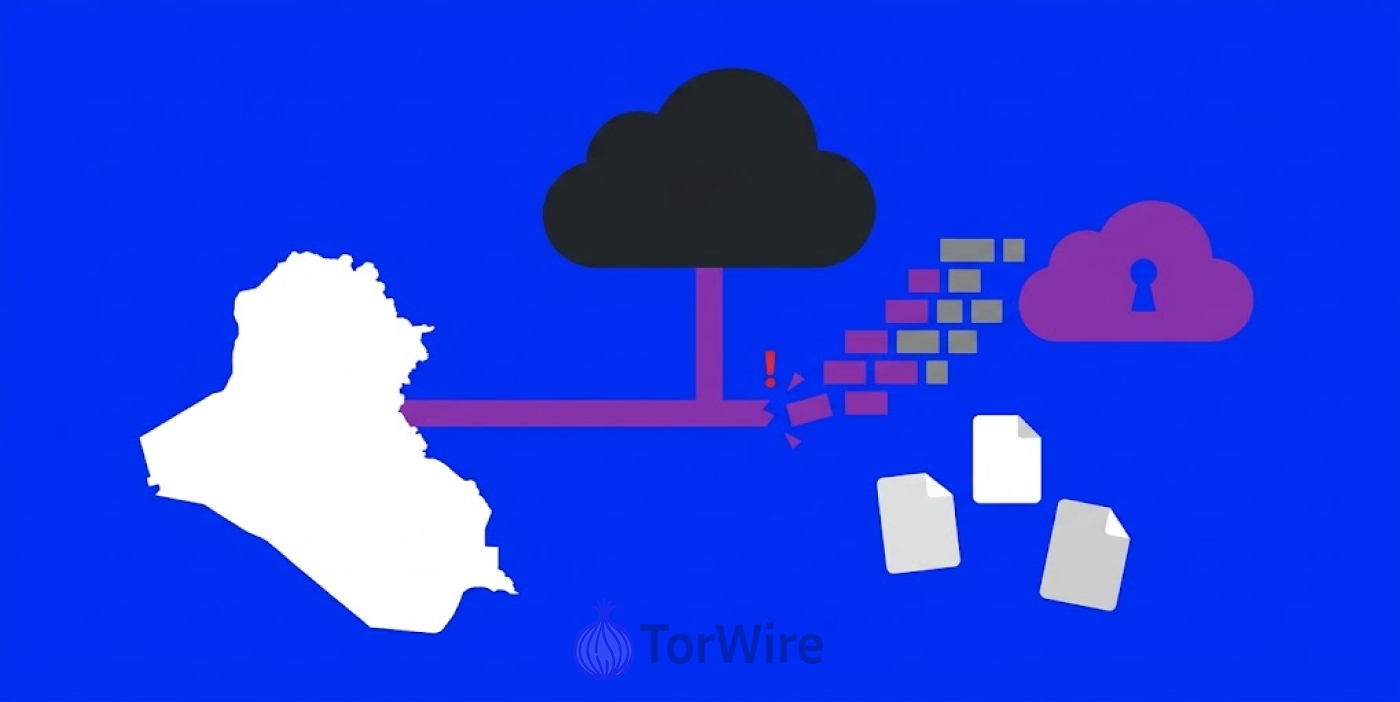
DarkBlinders breached an Iraqi Kurdish government cloud and stole at least 1 GB of data.
-
The group used fake login pages and a malicious video app called StarkMeet to steal credentials.
-
Researchers link the campaign to UNC5795 and possibly APT34 with medium confidence.
A hacking group with ties to Iran has broken into a government cloud system in Iraqi Kurdistan. The group stole at least 1 GB of data from the environment. The same campaign also compromised a high-profile person working in the security sector of Israel.
Researchers at Dream Research Labs tracked the activity between August and October 2026. They attribute the campaign to a group called DarkBlinders. The attackers used fake login pages and a malicious video app to steal credentials. They also hid their control servers inside GitHub, a normal developer website.
How the Attackers Tricked their Targets
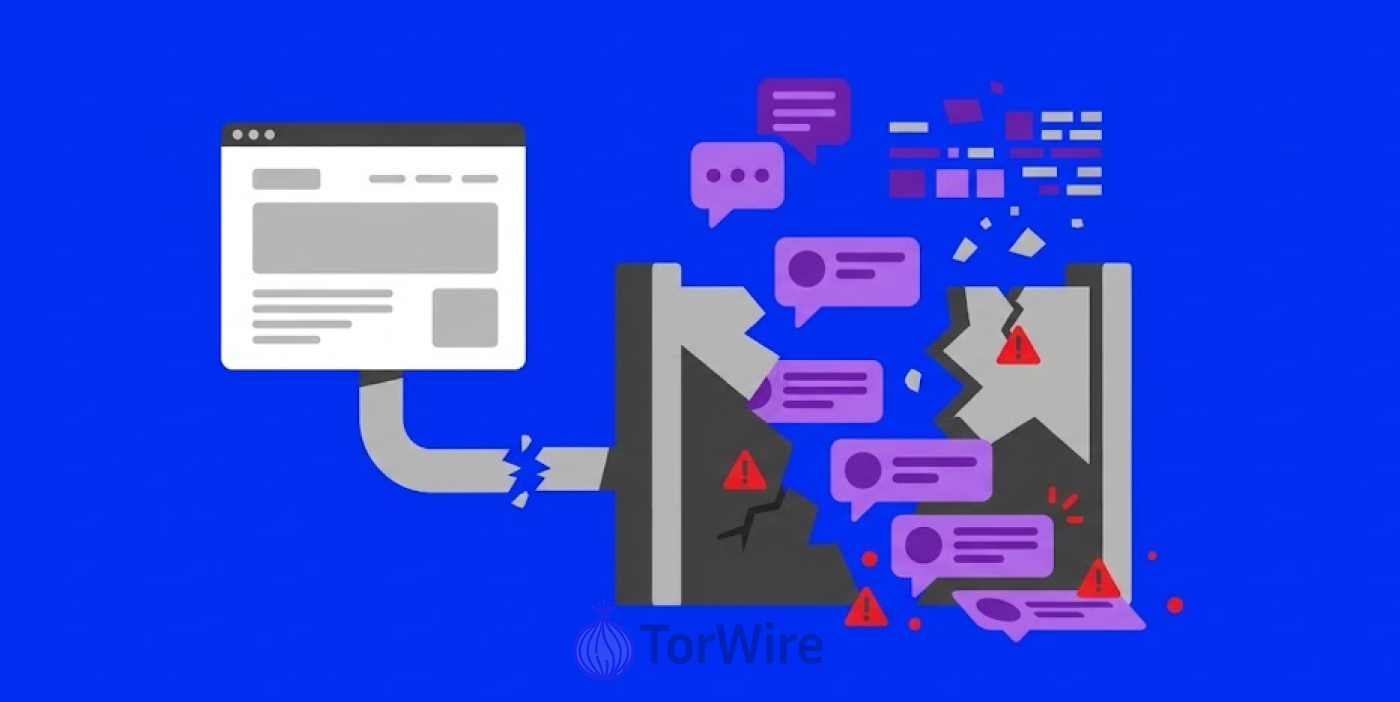
The campaign started with fake websites that looked like real government services. Some pages copied the login screens of the Ministry of Foreign Affairs and the Gulf Cooperation Council of Kuwait. Others pretended to be cloud storage links from the Kurdistan Regional Government. These pages only requested usernames and passwords. A stolen login opens email, shared files, & linked cloud services without any alarm going off.
The group also built a fake video meeting app called StarkMeet. The app looked normal and showed a working meeting screen. But the Join button always failed. While the user waited, hidden files installed themselves in a separate folder. These files kept running even if the user deleted StarkMeet.
The fake app carried a valid digital certificate. That detail matters. Many security tools trust files that carry a proper signature. The attackers likely bought or stole the certificate to slip past these checks. Researchers have not confirmed where the certificate came from.
The lures used regional themes. Invitations referenced meetings with officials and events tied to Kurdish and Gulf institutions. These details made the messages feel routine. A target who expected such an invitation would click without much thought.
The Malware that Stayed Hidden
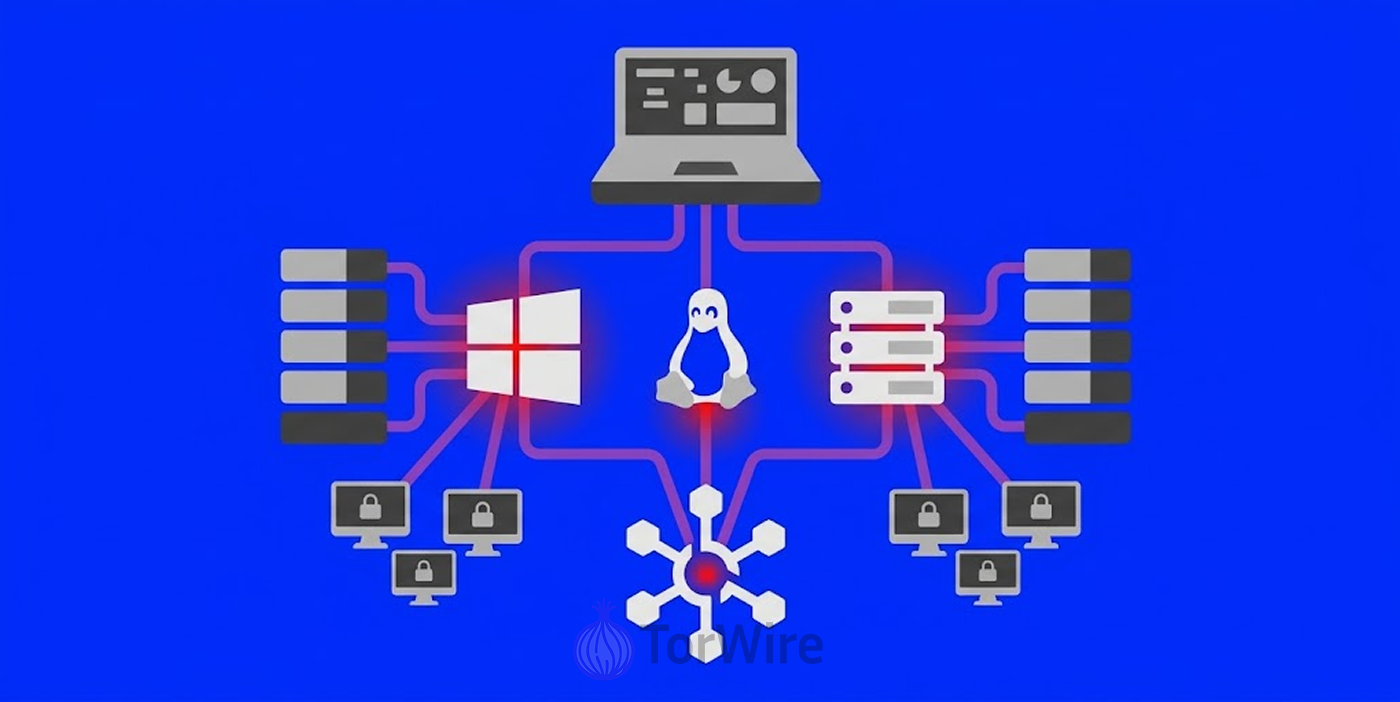
The core tools were SHELBYLOADER and a backdoor called SHELBYC2. The loader used a trick called DLL sideloading to run inside a trusted process. The backdoor then executed PowerShell commands within its own process. This meant powershell.exe never appeared in the task list, a common warning sign for security tools.
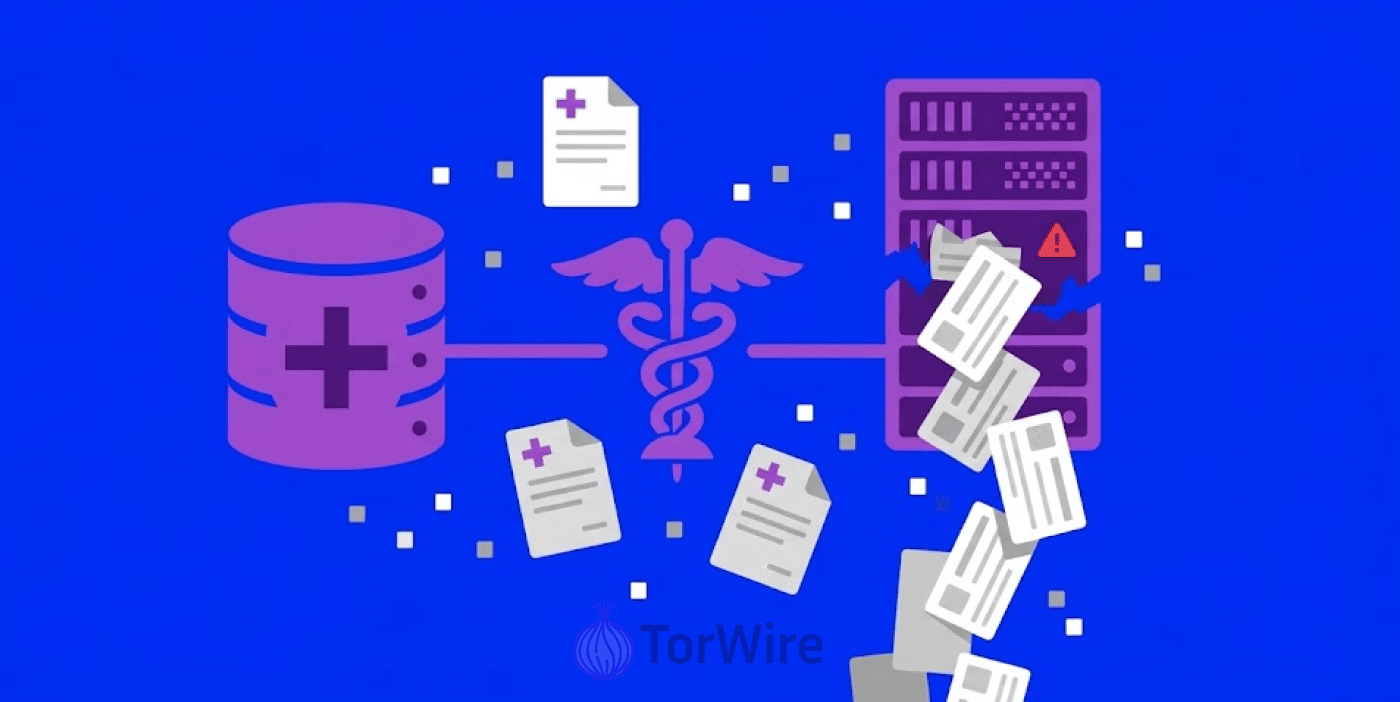
The backdoor could upload and download files and run remote commands. Recovered commands showed the attackers stealing credentials and removing at least 1 GB of data from the Iraqi government cloud. In another reported incident, a hacker claimed to have leaked 800,000 employee records belonging to Tata Consultancy Services (TCS), although the company denied experiencing a data breach. If GitHub shut down their account, the malware could read a hidden comment in the public vscode repository of Microsoft to find new settings.
The GitHub channel made it harder to implement blocks against the traffic. Many companies allow their employees to access GitHub for their job responsibilities; thus, blocking it would disrupt regular development processes. The attackers relied on this discrepancy between a security protocol and the actual daily needs of the company.
The malware was also analyzing the infected device before taking any action. Initially, it sent the basic operating system information to the operator. After that, the operator decides what computers the attack should target. This step kept the campaign quiet. Most infected devices never received commands, so network monitors saw little unusual activity.
Who is Behind the Campaign
Dream links DarkBlinders to two other tracked clusters, UNC5795 and Dust Specter, with medium-to-high confidence. The evidence includes shared servers and matching malware. The researchers say with medium confidence that these clusters may belong to the broader APT34 group, also known as OilRig.
The Iran link rests on several clues. The first infected machine used a Persian keyboard layout. One decoy domain used name servers linked to an Iranian hosting provider. But the researchers caution that neither fact proves who ran the operation. Other Iran-linked groups use similar methods.
The group has been active since at least September 2024. It conducted earlier attacks against aviation and telecom sectors in the UAE and Iraq. Under the name of the previous campaign called Blinder Tunnel, the group successfully delivered malware through fake job offers from Dubai Airports. In its new wave of attacks, it has adopted new approaches, but its attention on Iraq and the region remains unaffected.
The time of the attacks corresponds to a wider trend. Some Iranian-backed groups have ramped up their activities against their targets in the Gulf countries and Iraq in 2026. There have been multiple attacks involving the use of fake job offers and meeting invitations; an example is the case of DarkBlinders, which applies new software and a new loader.