-
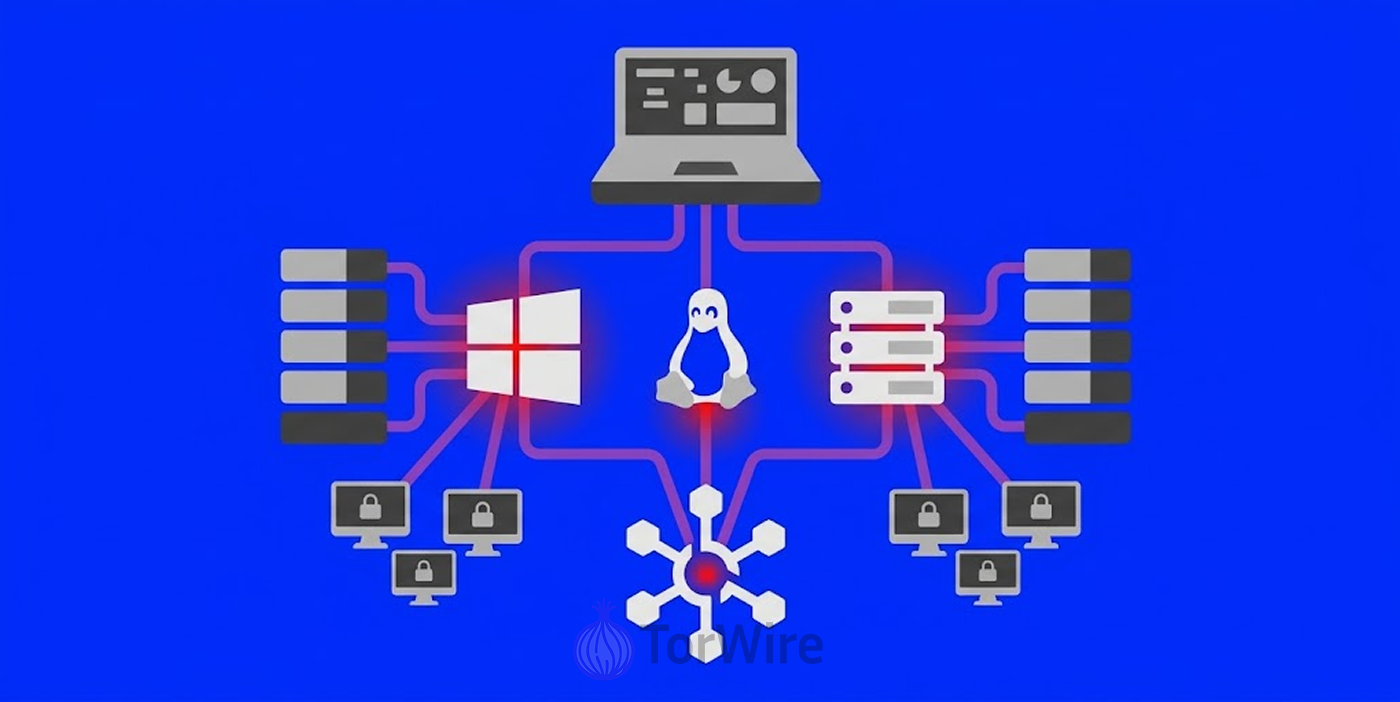
Vexy started a ransomware-as-a-service initiative focused on Windows, Linux, and ESXi operating systems.
-
The affiliates pay $200 for gaining access to working in this partnership and are entitled to keep 90% of the money they earn from ransom, while paying only 10% to Vexy.
-
Researchers have found no confirmed victims yet, but the ESXi module poses a serious risk to corporate virtual machines.
Vexy, a recently launched ransomware group, has initiated an affiliate program on a dark web platform. The announcement came on November 3, 2026. Vexy sells a set of tools to hack Windows, Linux, & ESXi operating systems.
Vexy functions as a ransomware-as-a-service provider. This means the group builds the software and recruits partners to use it. The partners carry out the attacks. Vexy then takes a cut of the money.
What Vexy Offers to Partners
The group keeps a 10 percent share of each payment. Affiliates keep the remaining 90 percent. This rate is higher than many rival programs offer.
New partners pay a one-time fee of $200 in Bitcoin that provides them with a code to access the private forum. The group delivers the code electronically to the user once it confirms their payment.
The forum is hosted on the Tor network and is equipped with tools for creating custom malware. Also, it releases a live analytical tool and a messaging service to affiliates for communicating with their victims.
Vexy claims that their support specialists are available 24 hours a day. They also state that they have a resource center providing assistance to their partners. These extras aim to attract skilled attackers who want reliable tools.
The 90 percent split stands out in this market. Most other similar services keep 20% – 30% of the accessed money in their own pockets. A small share seems to indicate that Vexy is looking for fast growth rather than profit from single large hacks. It also suggests the founders plan to profit via volumes rather than high-value targets.
How the Malware Works
Vexy wrote its malware in Rust, a programming language. The code targets three environments, namely; Windows computers, Linux servers, & ESXi virtual machines.
Moreover, the group created to software utilize hybrid encryption. It relies on AES-256 for scrambling files and protects AES encryption keys through RSA. This two-fold method makes it complex to decrypt without the use of the key of the attacker.
The locker includes several added features. It wipes free disk space to stop file recovery. It shuts down running services before encryption. It also deletes itself after running and clears system logs.
Each version targets its platform in specific ways. The Windows build lets attackers pick which folders and file types to encrypt. It also sends a notification through the victim’s printer. The Linux version encrypts SMB and NFS shared drives. The ESXi module targets virtual machine datastores and stops VMware services.
This deletion of logs is critical for investigation process. Without logs, it is impossible for specialists to trace the background of the entry of attackers. They also cannot see which accounts the attacker used. Thus, this slows recovery and further raises the chance for the attacker to return via the same path.
Why ESXi Attacks Matter
The ESXi software application has its own importance. ESXi is a program that operates the virtual machines of several businesses. A single ESXi host can operate dozens of servers at the same time.
If ESXi suffers an attack, it can bring a business to a standstill in a brief time. The harmful software is capable of encrypting all the datastores that control the virtual machines. The backup systems are usually in the same storage unit. Hence, the victims lose not just operational systems, but the options to recover them.
A great number of ransomware groups began including ESXi support in the recent years. The trends show that criminals know where the most significant systems of businesses are. Vexy follows that trend from its first release.
Smaller companies face the greatest risk here. Many run a single ESXi host with no spare capacity. Thus, a successful attack leaves them without any chance to reboot their business. Meanwhile, larger firms often have isolated backups but those only help if they stay offline.
No Victims Confirmed Yet
Researchers have found no confirmed victims linked to Vexy. The group has not published a leak site with stolen data. It has also not claimed any specific attacks. This early stage is common for new ransomware brands. Many launch, recruit partners, and then go quiet. Some never land a single victim. Others grow into major threats within months. The emergence of new ransomware operations, such as the Vexy group, highlights how cybercriminals continue to expand their activities through affiliate programs.
The low entry fee and high payout suggest Vexy wants volume. The group aims to sign many partners rather than a few skilled ones. That approach can spread the malware widely but also raises the chance of mistakes.
What this Means for Defenders
Security teams should watch for Vexy activity. They should check for unusual encryption on shared drives. Likewise, monitoring ESXi hosts for service interruptions and changes to datastores is vital.
Backup is the most reliable protection mechanism. Companies should ensure that they don’t leave any copy of their backup vulnerable to attackers. Also, they should test the process of restoring those backups.
Training for staff is important as well. Many ransomware attacks occur because of a phishing email or a stolen password. Strict log-in checks, for example, 2-stage verification, will reduce the number of possible breaches.
Companies should also limit who can reach ESXi management tools. These systems should sit behind strict access rules. Monitoring for log clearing and sudden service stops can catch an attack early.