-
LAPSUS$ says it published internal Vodafone data after the company refused to pay, marking the release as completed on its leak page.
-
The group claims the dump contains full infrastructure material and a GitHub tree, pointing to deep technical exposure rather than a simple customer list.
-
Vodafone has not confirmed the breach, but security experts warn that technical leaks fuel follow-on attacks long after the initial dump.
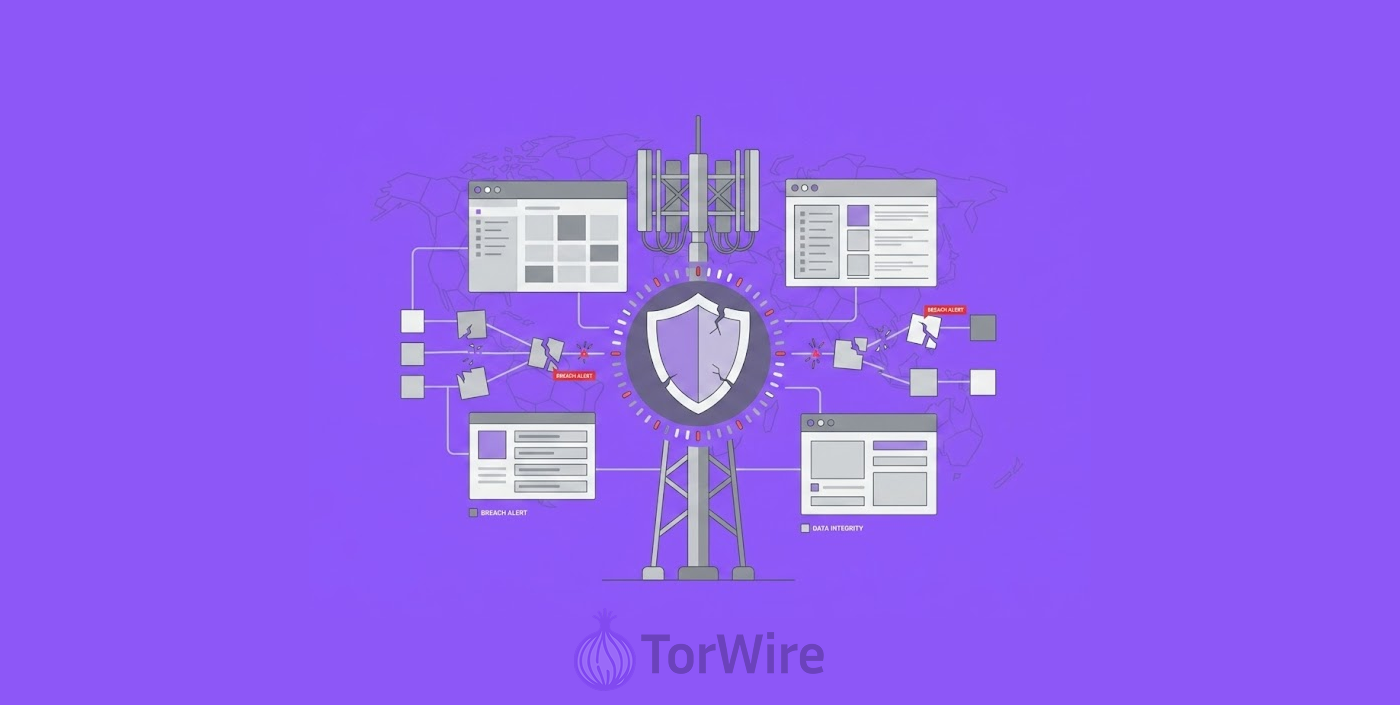
The hacker group LAPSUS$ has listed Vodafone on its public leak page and claims it released the company’s internal data after negotiations fell through. The listing marks the release as completed and describes the dump as containing what the group calls “full infrastructure” material and a “GitHub tree.” Vodafone has not confirmed the claim at the time of writing, but the technical nature of the alleged exposure makes this more serious than an average breach listing.
LAPSUS$ does not follow the traditional ransomware playbook. The group steals data, builds public pressure, and uses a major brand’s reputation as leverage. The Vodafone listing fits that pattern exactly. According to the group’s leak page, negotiations failed and the data is now public. No encryption. No countdown timer. Just a direct dump and a very public announcement.
The type of data the group is claiming is what makes this especially alarming. Infrastructure files and GitHub repository data are not the same as a leaked customer list. A GitHub tree can expose repository names, project structures, directory layouts, internal scripts, configuration files, and development notes.
Infrastructure material can go further, revealing server naming patterns, internal domains, deployment pipelines, cloud references, and service relationships. That kind of information gives attackers a detailed map, and maps stay useful long after the initial breach.
LAPSUS$ Releases Vodafone Files After Company Refuses to Pay
The group’s leak page tells a straightforward story. Vodafone refused to pay, LAPSUS$ published the data, and the listing now sits marked as released with claims of full infrastructure access and a GitHub tree attached to it.
Security researchers have linked LAPSUS$ to earlier operations targeting major companies, and the group consistently goes after internal technical environments rather than surface-level customer databases. The Vodafone claim follows the same approach. Technical files prove deep access without necessarily exposing millions of customer records upfront.
The most dangerous element in a leak like this is secrets buried inside the files. Developers sometimes store API keys, authentication tokens, internal endpoints, SSH keys, cloud credentials, and configuration details inside repositories or documentation.
Even outdated credentials deserve careful review, because old architecture clues, naming conventions, and service relationships can still guide follow-on attacks against connected systems.
What Customers and Business Partners Should Do Now
Vodafone has not confirmed that any customer records form part of the alleged dump. Customers should not assume their accounts are compromised based on the LAPSUS$ listing alone. However, they should stay alert, because public breach claims consistently trigger phishing waves that use the breached company’s name.
The recent NightSpire attack on a US hotel giant demonstrates the same pattern: internal data dumped on the dark web, followed by heightened risks for customers and partners. Attackers send fake messages about account verification, billing problems, SIM issues, and urgent password resets. Those messages feel more believable when a real breach claim is circulating.
Customers should avoid clicking links in unexpected messages and should use only official Vodafone apps, websites, or verified support channels for any account activity. No legitimate source will ask for a one-time code, a password, or payment details through an unsolicited text or email.
Business partners and vendors face a different risk. If the leaked material contains internal project names, service references, or technical documentation, attackers can use that language to make social engineering attempts look credible. Any unusual request involving credentials, API access, invoices, or integration changes should go through verified channels before anyone acts on it.
Why Infrastructure Leaks Hit Telecom Companies the Hardest
Telecommunications companies carry enormous technical environments. Vodafone operates across multiple markets and manages consumer services, enterprise platforms, billing systems, mobile infrastructure, and partner integrations. A leak involving internal technical files does not need to include customer names to create a serious risk.
Source code, deployment scripts, repository trees, and infrastructure notes give attackers a working understanding of how a company’s technology environment is built. Once that information goes public, the company must treat every exposed reference as a potential attack surface, rotate credentials across a wide range of systems, and assess whether anything in the exposed material connects to current production environments.
LAPSUS$ has published the data and moved on. The real work now falls on Vodafone’s security, engineering, legal, and compliance teams to determine what is real, what is current, and what needs locking down before someone else uses it.
