-
A hacker named Chimera claims to be selling 237,654 orders taken from French online store Love and Vibes.
-
The listed database reportedly holds 188,942 customer records from purchases made between 2019 and 2026.
-
The leak could expose customers to blackmail, targeted scams, and the release of very personal information.
A cyberattack on French online store Love and Vibes could expose the private shopping history of nearly 189,000 customers. A hacker now claims to sell a database with more than 237,000 orders. The hacker says the data came from a break-in in October. Love and Vibes had already told customers about that break-in.
A report published on November 24, 2026 brought the latest development to light. According to that report, the hacker uses the name Chimera. Chimera advertised the database on a cybercriminal forum.
The news comes about a month after Love and Vibes confirmed that an outsider reached its order management software. The new database has not been checked yet. The full size of the alleged exposure is also unclear.
Hacker Offers More than 237,000 Orders for Sale
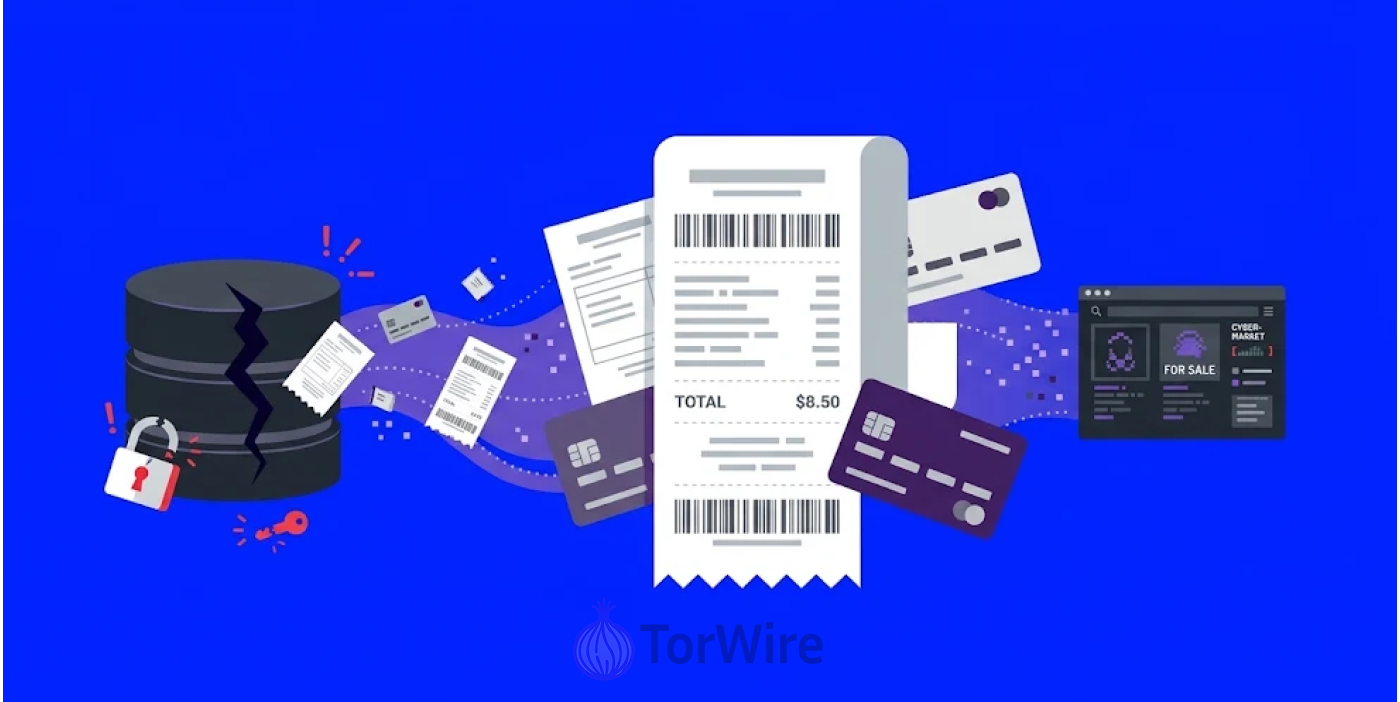
The listing describes a database with 237,655 rows. Those rows cover 237,654 orders linked to 188,942 people. The orders span seven years, from 2019 to 2026.
The seller says the database file weighs 177MB. The seller adds that it uses the JSONL format. It also holds 4,225 comments that customers added to their orders. The seller reportedly attached a sample to the listing. The sample is meant to back up the seller’s claims.
The records reportedly include first and last names, delivery addresses, and billing addresses. They also list customer IDs, order references, and purchase dates. Other fields cover product descriptions, order values, payment methods, and delivery methods. The data also names collection points, tracking numbers, and customer comments.
This mix of details makes the claim more worrying. The names sit beside addresses, order dates, and product descriptions. Each record could therefore describe one person and one purchase. A buyer could link a named customer to a specific private product. Some of those purchases happened years ago.
The report says its team looked at the advertised sample. It says the sample showed this information. A sample alone, however, does not prove that every listed record is real.
Company Confirmed the October Break-In
The new claim follows an earlier incident. Love and Vibes told its customers that an outsider got in on October 22, 2026. A separate report from November 2 says it obtained a copy of the customer email.
According to that email, an unauthorized third party reached the order management software. The company stopped the access on the same day. It also added new security steps. The company then told France’s data protection regulator, the CNIL, and filed a police complaint.
Three dates matter here. The break-in happened on October 22. The first report appeared on November 2. The new listing surfaced on November 24.
The email listed the data that may have been seen. This included customer names, purchased items, and order amounts. It also named dates, delivery methods, and some collection-point addresses. The company said other data stayed safe. It named home postal addresses, email addresses, phone numbers, passwords, and bank details.
That claim clashes with the new listing. The company’s first notice did not list postal or billing addresses as exposed. The latest report says the sample holds postal and billing addresses. Nobody has confirmed that those addresses are in the data. Nobody has confirmed a link between the new database and the October break-in either.
Blackmail and Targeted Scams Top the Risk List
The alleged data could cause more harm than normal identity theft. Criminals could use purchase histories to write believable phishing messages. A message that names a real order looks more trustworthy to the reader. Phishing means sending fake messages to trick people into giving up money or details. Criminals could also threaten to expose customers in public.
Such a threat could turn into blackmail or extortion. Extortion means forcing someone to pay by using threats. Attackers might demand money from a victim. They might promise to contact family members, friends, or employers if the victim refuses.
Dark web marketplaces have also been used to facilitate other types of illegal transactions. In a separate case in Ireland, two men received suspended sentences over the purchase of a firearm through a dark web marketplace, highlighting how these platforms support a range of criminal activities.
The risks reach beyond money. Very personal details about a customer’s purchases could also reach other people. The November 2 report already raised these privacy worries. It warned that clear purchase histories could feed targeted scams, harassment, and blackmail.
Customers should treat surprise messages about old Love and Vibes orders with care. They should not click strange links; they should not share passwords. They should not send money to anyone who makes threats. Anyone who gets a blackmail demand should save the messages. They should then report the demand to the proper authorities.
For now, only the October break-in is confirmed. The database sale remains a claim. In plain words, nobody has proved that the listing is real. Three points still need confirmation. These are the number of affected customers, the truth of the listed records, and whether home addresses were exposed.
The case shows the privacy risks that stores face when they keep years of detailed customer purchase histories.