-
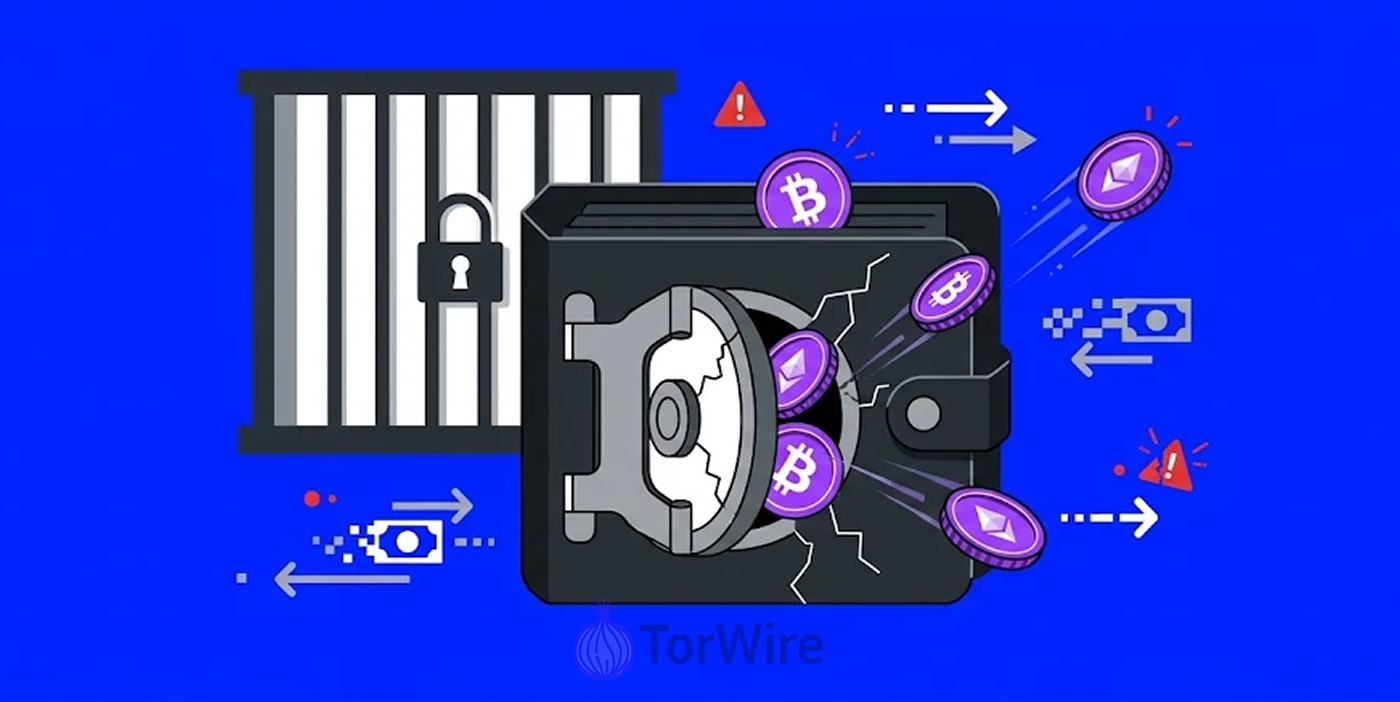
Tyler Buchanan, 24, received a six-year prison sentence after conviction in connection with a crypto theft scheme worth $11.6 million.
-
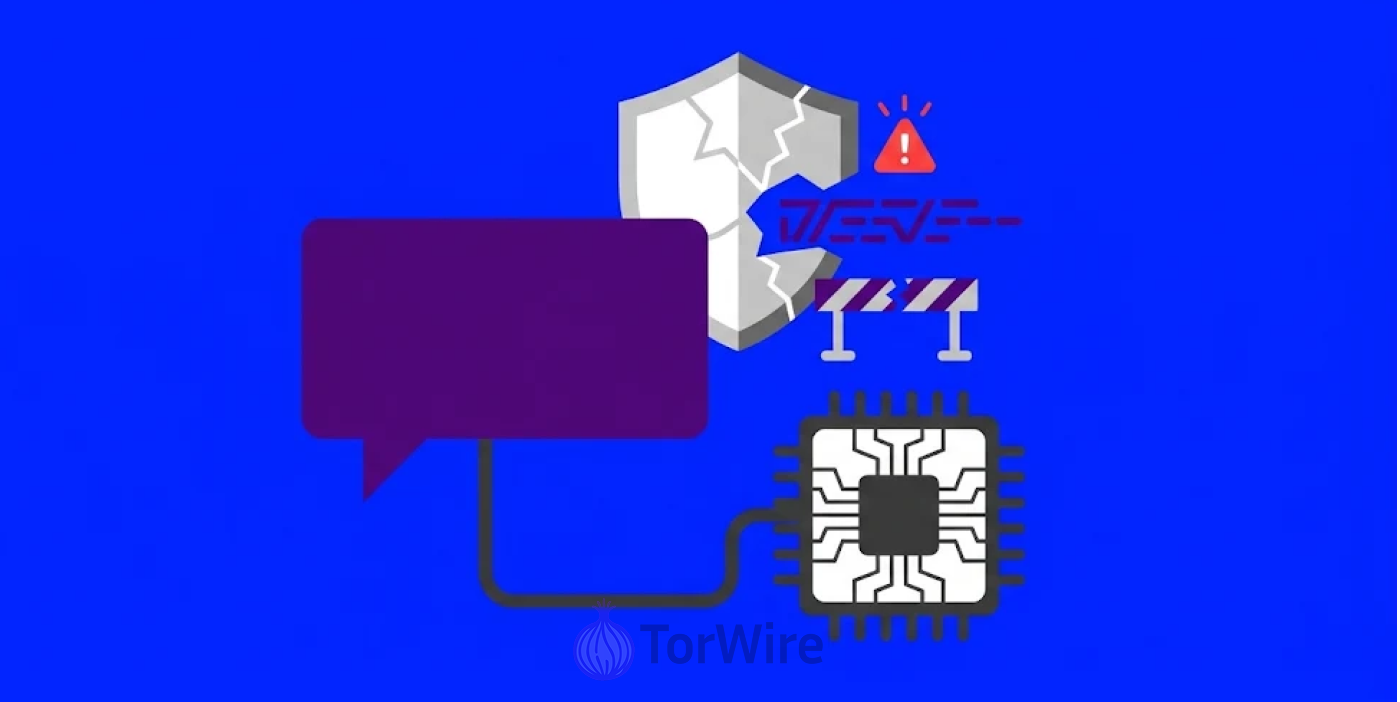
The criminal group used phishing texts to gain corporate logins, then SIM swapping to bypass the two-factor codes to gain access to the crypto accounts.
-
Buchanan is the fifth and final defendant to be sentenced and restitution hearing is scheduled for December 11.
A Scottish hacker has been sentenced to six years in a US federal prison. Tyler Buchanan, 24, from Dundee, conspired to hack into at least a dozen companies. His group stole more than $11.6 million in cryptocurrency from victims across the United States.
Buchanan pleaded guilty in April to conspiracy to commit wire fraud and aggravated identity theft. He is the fifth and final defendant sentenced in the case. A restitution hearing is set for December 11.
How the Scheme Worked
Buchanan and his accomplices sent thousands of phishing texts to employees at major companies. They disguised these messages as coming from the bosses of the employees or IT suppliers. The messages warned that the accounts were about to expire, and urged the message recipients to follow a link to log in.
The links directed the users to fake websites which were exact copies of the authentic login forms of the companies. Employees who filled out their username and password provided it to phishing software which forwarded the data to a Telegram channel that Buchanan and another accomplice control.
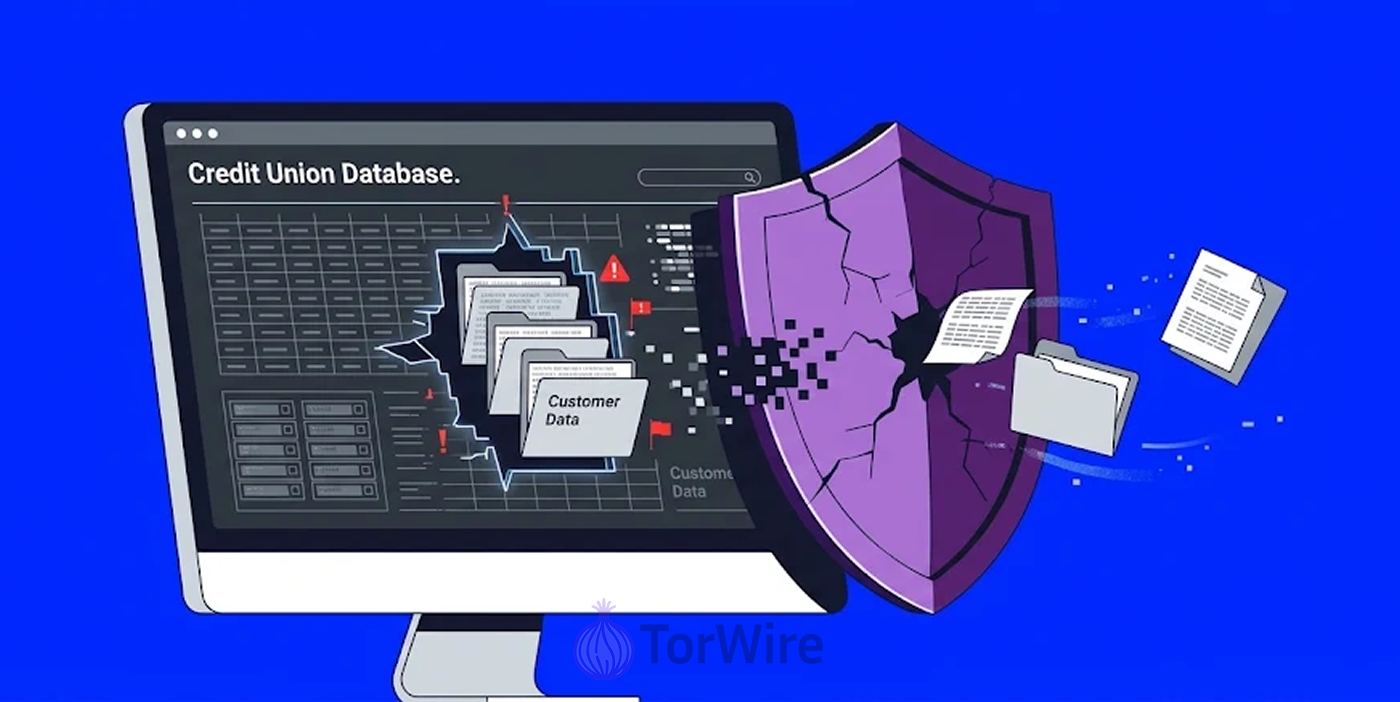
With the hijacked credentials, the hackers accessed corporate systems. They retrieved the vital information regarding the owners of cryptocurrency.
Later they managed to execute SIM-swapping tactics to get access to the phone numbers of their victims. This allowed them to receive the verification codes for two-factor authentication by text or call. The group also managed to invade the crypto accounts and take away money from the wallets.
By using the stolen logins, hackers were able to access the intranet of the company. This enabled the criminals to collect valuable information regarding the employees of the company and its clients.
Also, this made it possible to determine their target, the victim from the technology company with large crypto balances. A victim who worked at a technology firm became a priority because their account held significant funds.
The Scale of the Losses
Authorities estimated that the gang managed to steal several virtual currencies worth approximately $11.6 million. The biggest single act of theft took place in December 2022 when a victim lost $1.67 million. Prosecutors note that the waves of thefts have inflicted damage of unimaginable proportions, and the events have changed the lives of many victims.
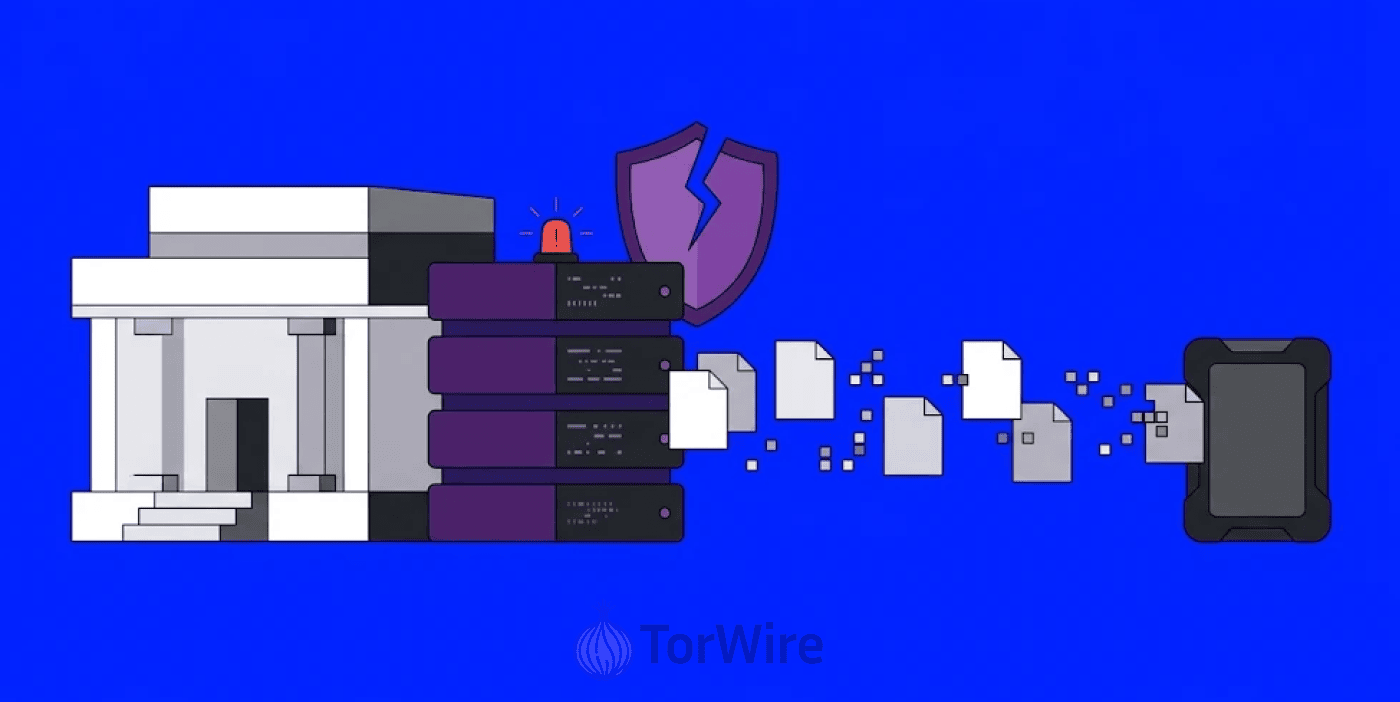
The conspiracy lasted from September 2021 to April 2023. Buchanan was only 19 years old when starting this scheme at the home of his parents. Upon searching his bedroom in April 2023, Police Scotland discovered a gadget with the names and addresses of the victims. Additionally, the gadget had files containing the crypto seed phrases and login details for at least an account of one victim.
Buchanan faced an arrest in May 2024 at Palma de Mallorca Airport in Spain. He was trying to board a private flight to Naples. He has been in US custody since April 2025.
The investigators tracked the stolen money through its numerous wallets as well as through other exchanges. Some money was moved to accounts belonging to the associates of the group. With this discovery of the individual trails, the prosecutors could connect all crimes.
Cryptocurrency theft cases have also involved other methods of targeting US victims. In a separate case, in April this year, a UK man pleaded guilty to an $8 million crypto heist targeting US victims.
The Scattered Spider Connection
Researchers and journalists connected Buchanan with the Scattered Spider gang. This gang includes English-speaking hackers who have made a name for themselves with their attacks on major businesses, including MGM Resorts in 2023.
According to the prosecutors, Buchanan and his accomplices represent one piece of that gang. This case reflects how social engineering techniques can succeed – even where technical means fail. There was no use of high-tech malware by the attackers. They just depended on the gullibility of people in giving away their passwords.
The members of the group often communicate on Telegram and Discord. Such a free framework makes it challenging to track down the participants collectively. Thus, law enforcement has to prosecute individuals instead of charging the group as an entity.
The four co-defendants of Buchanan have also received sentences. Noah Michael Urban got 10 years. Ahmed Hossam Eldin Elbadawy & Evans Onyeaka Osiebo each received 45 months, while Joel Martin Evans received two years.
What This Means for Crypto Users
The case shows the risks of SMS-based two-factor authentication. SIM swapping can bypass this security feature, allowing the hacker to receive the verification codes instead of the victim. Cybersecurity professionals recommend using either authenticator apps or hardware security keys instead SMS.
Meanwhile, crypto owners should pay attention to phishing attacks that reference real company data in messages. In fact, in this situation, fraudsters learned information about the victims and created messages that resembled regular communications. Thus, when an email or SMS pushes for immediate action or threatens to block the account, users should consider it a red flag.
Finally, users should avoid logging in through links in messages. Instead, they should go directly to the company’s website. Additionally, they should check with their mobile carrier on account PINs and port-out locks to prevent SIM swapping attacks.