-
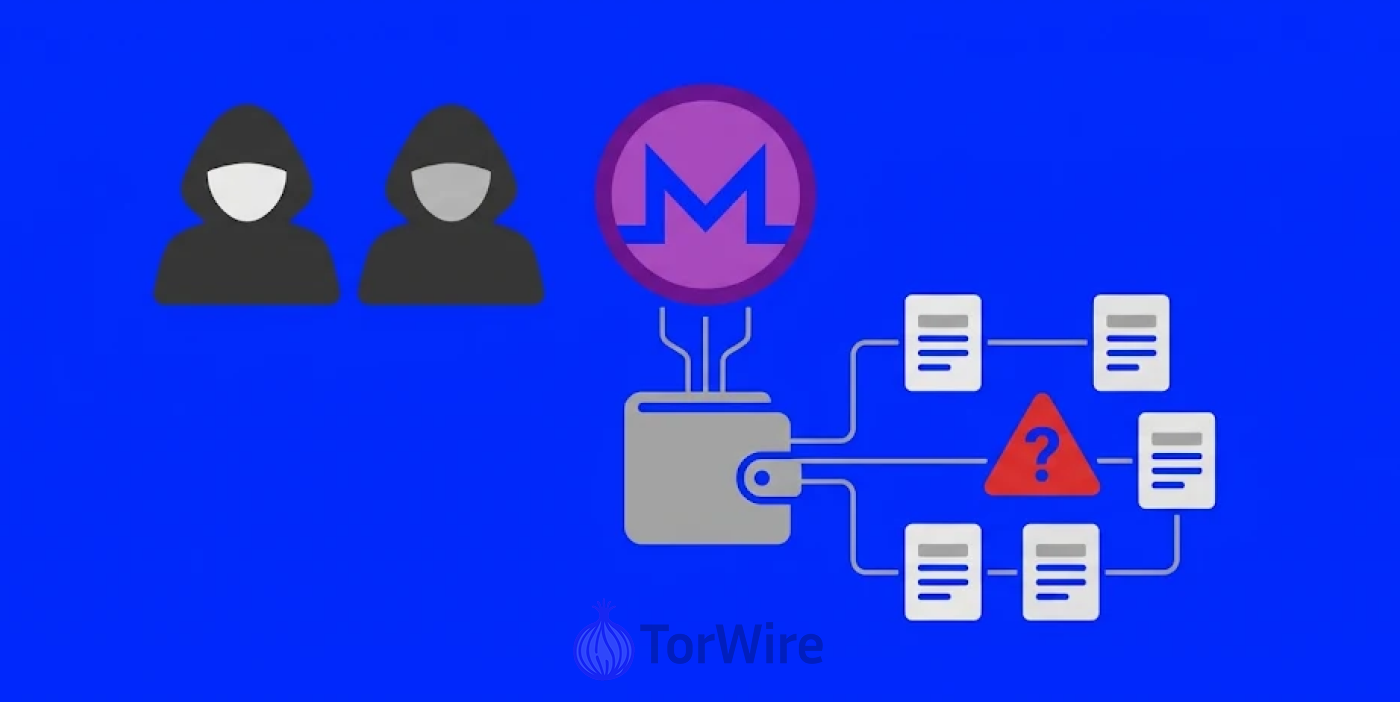
Two online aliases, @wwbb and @kkoo, face allegations involving more than 7,000 XMR worth approximately $4.2 million.
-
A May theft of about 7,000 XMR from RetoSwap users matches the amount. Still, no evidence ties it to this wallet.
-
Circulating media shows a reported balance of 6,851.71 XMR, worth about $4.1 million at the November 9 price.
A new cryptocurrency claim has raised questions regarding the ownership of a considerable amount of Monero. The source references two aliases, @wwbb and @kkoo, and a Telegram channel, @emobile.
Moreover, it attached images showing wallet containing 6,851.71 XMR. Yet, there is no additional information confirming any of the details above. The source claims the channel may have help coordinate transfers of cryptocurrency between wallets and other parties.
Still, none of these assertions has been confirmed independently. Not a single organization or security team has confirmed this supposed investigation to date.
A Reported Balance Worth Millions
The circulating report mentions more than 7,000 XMR. But the site displays a definite balance of 6,851.71 XMR. It could be the same or separate sums of money. The source does not explain the difference.
Monero’s market price also affects the dollar estimate. As of November 9, YCharts listed $599.08 as the price of XMR. At this price, 6,851.71 XMR would be worth about $4.10 million, and 7,000 XMR would be ~$4.19 million.
The post’s number is reasonable, then, but it shifts with the market. The reported $4.15 million estimate requires an XMR price near $605.69. Therefore, the original valuation may reflect an earlier price.
Also, the image shows a desktop Monero wallet. The balance shows 6,851.71 XMR, but there’s a banner saying the wallet isn’t connected to a daemon and the status bar just says “Starting the node.”
So, really, the wallet hasn’t connected to the Monero network yet. The number you see is probably just a saved balance, not a l. Also, anyone can edit an image. A screenshot cannot prove ownership or a completed transfer. It also cannot show whether the funds came from criminal activity.
Telegram Channel Draws Attention
The report identifies @wwbb and @kkoo as the main subjects of its investigation. It also points to the Telegram channel @emobile. According to the source, the channel may help coordinate cryptocurrency movements. These could involve transfers between several wallets and different parties.
However, the report doesn’t offer any solid proof — no messages, no transaction history — to back up the claim. Plus, it doesn’t say who’s actually running the channel. Those two usernames don’t reveal anything about who’s behind them either. It’s pretty common knowledge that online aliases alone aren’t enough to link someone to crypto theft.
Questions about the identities behind online activity have also surfaced in other reported cyber incidents. In a separate case, hackers claimed a massive data leak from German marketplace Kleinanzeigen, highlighting the challenges of verifying claims made by unidentified threat actors.
Nobody’s found news articles, security reports, or investigations tied to these handles or the channel. That doesn’t prove the claim is false, but it definitely means nobody else has confirmed it. Unless we get some independent source, treat those names as unverified.
If investigators want to make a solid connection, they need real proof. Stuff like account logs, device info, messages, or exchange records would help. Until someone produces evidence like that, the links are still just unconfirmed rumors.
Could the Coins Come From a Known Hack?
One case fits the amount. On May 20, attackers drained about 7,000 XMR from users of RetoSwap, a Monero trading platform. Reports valued the haul at roughly $2.7 million then.
The flaw sat in Haveno, the open-source software RetoSwap runs on. According to Haveno’s lead developer, the attacker sent a fake message posing as the trade’s referee. That trick gave the attacker control of a shared wallet before users deposited funds. A second attack followed on June 16.
RetoSwap blocked the attacker’s address and paused trading within minutes. Early reports said the stolen coins moved to another wallet. No use of mixing services had appeared at that time. A later listing says the coins were never recovered and no repayment is confirmed.
However, the loss figure was an early estimate, and one outlet cited a much lower number. So even the size of that theft is not fully settled. A matching amount proves little. Many wallets hold thousands of coins. The post never names RetoSwap or Haveno, so this link is only a guess.
Why Monero Makes the Claim Hard to Prove
Monero employs a combination of technologies that mask information about the transactions. That means that an observer of the blockchain won’t be able to determine the sender, recipient, as well as the transaction amount.
Unlike Bitcoin, Monero doesn’t offer any public service where you enter an address and get its balance. This is why criminals love to use Monero.
The current month demonstrates this point. On November 2, researcher ZachXBT reported about a theft of $106 million from an EU organization. The criminal converted the stolen stablecoins to Ether and Monero using the instant swap services.
Further reports have increased the number of stolen assets to $133 million and mentioned the French bank as the victim. None of this information has anything to do with the case discussed. It just illustrates the fact that traces become cold soon enough. Comparing these amounts with $4 million doesn’t make sense.
Previous Incidents Offer Useful Context
Monero has faced security concerns before. However, those incidents do not establish a connection to the latest allegations. In September 2023, someone drained the Community Crowdfunding System’s main wallet. The Monero Core Team later reported a loss of 2,675.73 XMR.
The team said it could not determine the source of the incident. It also confirmed that the secondary wallet remained untouched. More recently, Monero faced network disruption during Qubic’s mining campaign in 2025.
On September 14, nodes recorded an 18-block chain reorganization. The event invalidated roughly 117 to 118 transactions. A chain reorganization occurs when a competing chain replaces part of the accepted transaction history. Consequently, some earlier transactions may lose their confirmed status.
The incident raised concerns about mining power and network security. Nevertheless, it could not show that someone had stolen the XMR mentioned in the latest news. Neither of these two events proves a newly discovered vulnerability of the protocol or explains the balance of the wallet.
What Would Settle It
There are a few things that could do that. A signed message from the wallet would be a piece of evidence for control. A statement from the attacked service would serve as confirmation of the victim. Statements by companies like PeckShield or ZachXBT would have much influence.
Dates would also help. If the coins were transferred months ago, then the screenshot would depict old coins, rather than some fresh transaction. Now, the post leaves people without any information on that point.
It is only a rumor now until proven otherwise. The amount of cryptocurrency in the wallet could be correct, but there is no way to be sure about the owner and the source of the coins. There was a balance in the image, and nothing else.