-
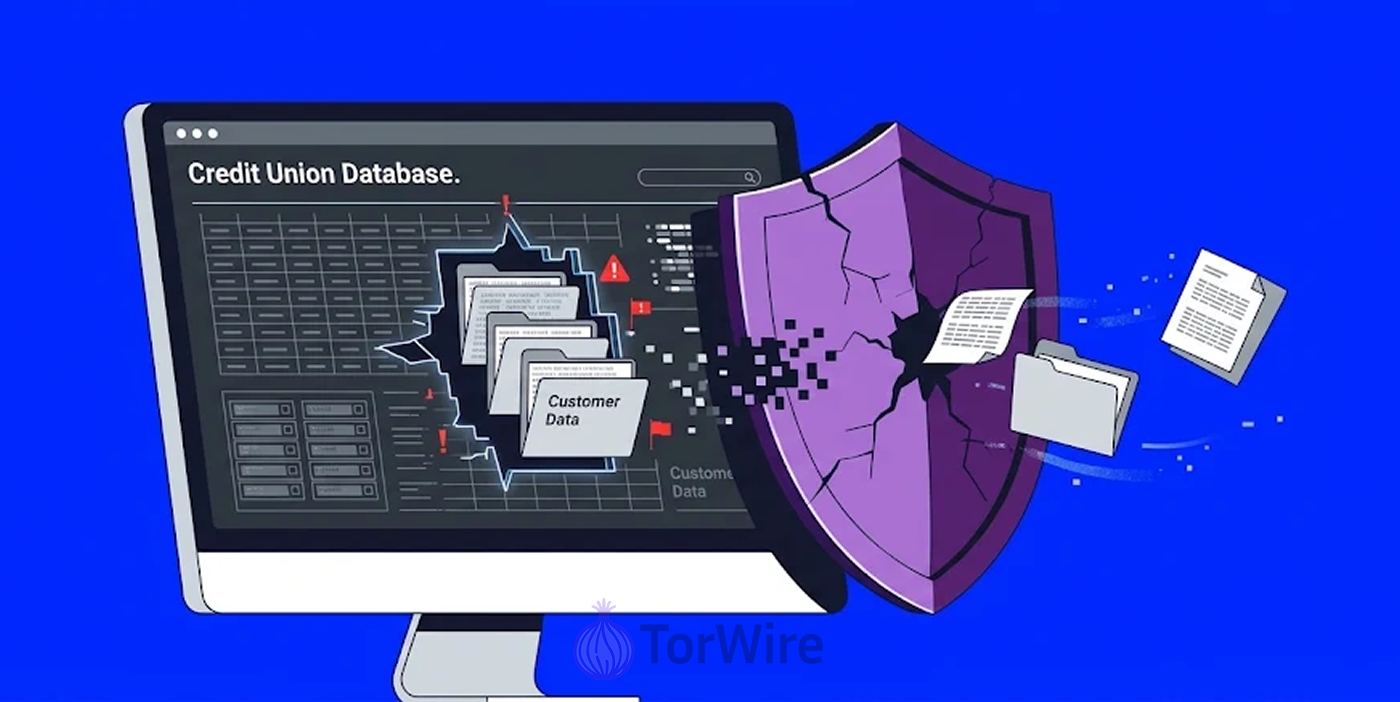
In early October, a hacker used a weakness at Wellington IT to steal payee records linked to around 40 Irish credit unions.
-
Credit unions said balances, passwords, or login credentials remain safe.
-
The unions were not aware of the breach until November 16. Ireland’s credit union minister said that waiting this long to report a breach just isn’t acceptable.
Several credit unions in Ireland are dealing with a data breach that started in October. The attacker gained access by exploiting a flaw in Wellington IT software used by all the credit unions.
The company informed its clients about this situation on November 16. At that time, over a month had already passed since the start of the data breach.
Details of the Attack
Wellington IT operates from Belfast. It provides banking software to around fifty credit unions, of which forty-three are located in Ireland. According to the Irish Examiner, an automated script created five million requests to the company between October 2 and 4.
The script was able to log into the system with valid credentials. Moreover, it enabled the hacker to exploit the loophole in the system, allowing the script to access whatever information it needed.
Some sources quote different numbers. According to the reports quoted by the Irish Independent, the hacker made about 1.4 million requests. The reports do not mention what caused the difference.
A larger problem is a lack of evidence. Wellington IT claims that it does not have the logs showing the exact information the script requested. Therefore, it does not know what data the hacker gained access to.
Instead, the company is considering all records of payee transactions during that period as possibly impacted. Capital Credit Union reported to its members that the loophole remained open until October 6.
What Information was Exposed
Payee account name, the nickname a member chooses during registration, IBAN and BIC numbers may be affected. A payee is an individual or company that receives payment from a member.
Also account numbers, sort codes, and payment references may also be affected. Other notifications may inform the destination address of the payee. It is also possible that the records can show which member used which payee.
At the same time, credit unions claim that the hacker obtained no sensitive data. Their notifications state that sensitive information like account balances, passwords, PIN numbers, card details, and online banking access credentials remained intact. Minister for State Robert Troy also noted that credit unions and members did not suffer any financial losses.
Nevertheless, the risks still exist. Wellington IT experts have warned that the data leak increases the risk of fraud, identity theft, and targeted phishing attacks. Meanwhile, according to Capital Credit Union, payee data doesn’t mean there’s a high risk of fraud. Thus, there is a disagreement between credit unions about the level of risk in the current situation.
How many People are Affected
Nobody knows the exact number of victims at the moment. Troy said that the data breach affected around 40 credit unions, which is almost one-quarter of the total in the country.
Wellington IT provides services to about 1.8 million members through their credit unions, based on an article from The Irish Examiner. Initially, reports noted that the data breach could affect hundreds of thousands of members.
Why Delay in Disclosing the Scope of the Incident Matters
The timeline helps to clarify a lot of the frustration. Wellington IT stated that its first examination of the incident in October has shown no evidence of hacking. Then on Friday, November 13, a credit union reported receiving blackmail emails.
Those emails have already reached several companies and also appeared in Wellington IT’s own spam folder. However, it is unknown if those emails are connected with the breach.
The engineers concluded on Sunday morning that the hacker likely stole a member’s saved payee details. Wellington IT informed its customers on Monday, November 16.
Troy told RTÉ that the delay is unacceptable. He said he wrote to Wellington IT requesting a meeting. Troy demands personal assurances from the company. Also, he wants the full scope of the breach.
How Officials are Responding
The Data Protection Commission has been notified of breaches from credit unions. It added that it is treating them with utmost urgency. The Central Bank has advised credit unions to notify their clients promptly. Finance Minister Simon Harris said the breach is “very worrying.”
Wellington IT CEO Colin Mitchell said the company informed clients of the threat right after confirmation. He said that external security professionals are hired to carry out the investigation.
Irish authorities have also dealt with other forms of online criminal activity. In a separate case, an Irish court gave suspended sentences to two men over a gun purchase made through the dark web.
As per Mitchell, the company is working with the Data Protection Commission as well as the National Cyber Security Centre and the Garda National Cyber Crime Bureau. He added that the investigation is still ongoing.
What Members can do
Start with your own credit union. The Central Bank says that if members have concerns, they should first contact the credit union itself. Then be wary of any unusual demand to pay money to someone or to make changes to payment details.
Scammers might try to get the name of the person or details about their bank account to appear credible. That is not enough evidence to hang up and call the credit union using the number from its website. And don’t forget to check your statements for any unfamiliar payments.
Troy had pretty much the same recommendations. Troy asked members to be especially careful with the payment demands. Further guidance about scams can be found at Fraudsmart.ie, the website linked to Capital Credit Union.
And the further actions are obvious. Wellington IT needs to say how many people are affected. Credit unions need to contact these members directly.