-
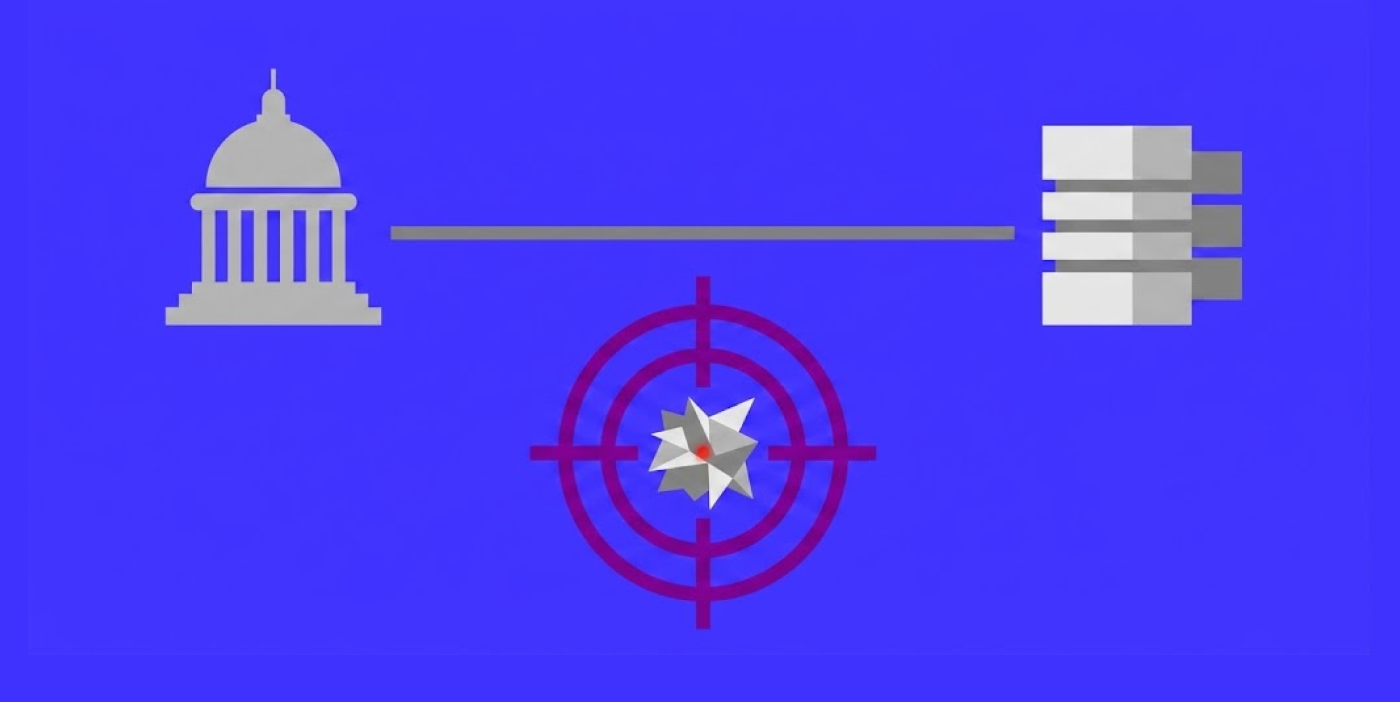
The White House issued a memorandum allowing private firms under federal contract to target foreign cybercriminals.
-
Participating contractors must undergo strict government vetting and post a $1 million performance bond before launching disruptive network operations.
-
Industry leaders warn that private offensive operations risk diplomatic incidents, international law violations, and widespread collateral damage.
The White House wants private corporations to actively target overseas digital attackers. A recent presidential memorandum outlines a plan that could let selected American businesses pursue specified foreign threat actors.
Historically, federal law enforcement and national intelligence agencies handled these complex offensive operations. The new directive suggests shifting some of these traditional espionage duties to private sector contractors.
Understanding the Proposed Federal Contractor Framework
Current federal anti-hacking laws strictly prohibit citizens and private corporations from breaching digital infrastructure. The new White House directive does not alter those fundamental statutory protections. Instead, participating security firms must secure official federal contracts to receive special operating permissions.
Under this plan, participating entities would contract directly with the Department of Justice or the Department of Homeland Security. Additionally, candidates must pass extensive screening procedures before receiving official authorization. Companies must also deposit $1 million in escrow, which the government collects if contractors fail their obligations.
Selected contractors can then access foreign computer networks to conduct disruptive operations. These approved actions include manipulating, degrading, denying, or destroying targeted foreign information systems. However, officials have not detailed the exact legal frameworks or specific targets for these mission profiles.
Technical Capabilities and Market Opportunities for Security Firms
Industry experts wonder which corporate entities will actually sign up for these aggressive government contracts. Historically, private defense firms assisted public agencies by offering tactical support rather than leading offensive missions. Consequently, this initiative creates novel revenue streams for specialized cyber defense providers.
Smaller security vendors, venture capital startups, and military defense contractors may view this program as a lucrative opportunity. Furthermore, these firms could leverage federal partnerships to boost their commercial visibility and secure expanding government resources.
The scale of stolen data available to criminals underscores why such offensive capabilities are being considered. A threat actor recently claimed to have obtained stealer logs containing sensitive information from Apple, Google, and dozens of other global firms, with the data reportedly including internal authentication credentials and access tokens. Some policy analysts suggest private entities will excel at covert surveillance rather than total network destruction.
Nevertheless, applicants encounter considerable legal and technical challenges before commencing active digital campaigns abroad. The order from the White House gives federal agencies a two-month timeframe to fix important regulatory challenges. In the meantime, big cybersecurity companies are careful regarding participation in these bold government initiatives.
Structural Realignment in Government Cyber Operations
Shifting offensive capabilities to commercial partners fundamentally redefines national digital strategy. Federal agencies currently lack the human capital needed to combat thousands of daily intrusions worldwide. Therefore, enlisting private software engineers allows public authorities to scale offensive capabilities rapidly.
Critics maintain that turning state cyber capabilities into private ends weakens central accountability. Intelligence agencies work under tight oversight structures and well-defined military chains of command. In contrast, private companies always care about selling and keeping clients, as well as achieving their task aims, and quarterly profits.
Furthermore, exercising strict control over many small private players is a difficult logistical task. Government inspectors must constantly check external corporate networks to make sure they follow precise goals. Therefore, agency managers may not always have controls over contractors that work in different parts of the world and time zones.
Operational Risks and Legal Concerns Facing Private Contractors
Former national security officials and industry veterans express serious concerns regarding the potential fallout from this program. Critics emphasize that launching offensive operations overseas almost certainly violates local domestic laws in target nations. Therefore, American private actors could face severe international legal consequences for executing domestic contracts.
Targeting foreign actors presents massive intelligence challenges because many cybercriminals maintain indirect ties to foreign states. Striking the wrong digital infrastructure could accidentally trigger severe diplomatic crises between major global powers. Furthermore, participating contractors face massive civil liability risks if offensive operations go wrong during execution.
Accidental collateral damage remains a paramount operational hazard during intrusive network attacks. An aggressive exploit could accidentally disrupt neighboring data center servers supporting local transportation systems or healthcare facilities. As a result, many veteran security executives refuse to participate due to these terrifying liability risks.
Financial Losses and the Growing Global Ransomware Threat
Notably, the constant cyberattacks in the US from international hackers cause more and more losses to American citizens and businesses, resulting in billions of losses every year. Cybercriminals use ransomware, establish their presence on numerous public and private networks, break into critical sectors and systematically rob them, and engage in fraud operations.
Recent attacks prove the insecure and increasing vulnerability within the major infrastructure in the US. For instance, hackers managed to hack many municipal water systems in Minnesota and many other states using their tactics. At the same time, some experts say that it is time to use more innovations in fighting against cybercrimes.
However, in spite of the numerous attacks, cyber specialists do not believe that offensive methods are capable of overcoming cyber threats. Cybercriminals tend to appear under various nicknames all the time and cause damage in different countries even without detection from their previous operations. Consequently, industry leaders emphasize that offensive tactics cannot replace foundational digital defenses and robust cybersecurity practices.
