-
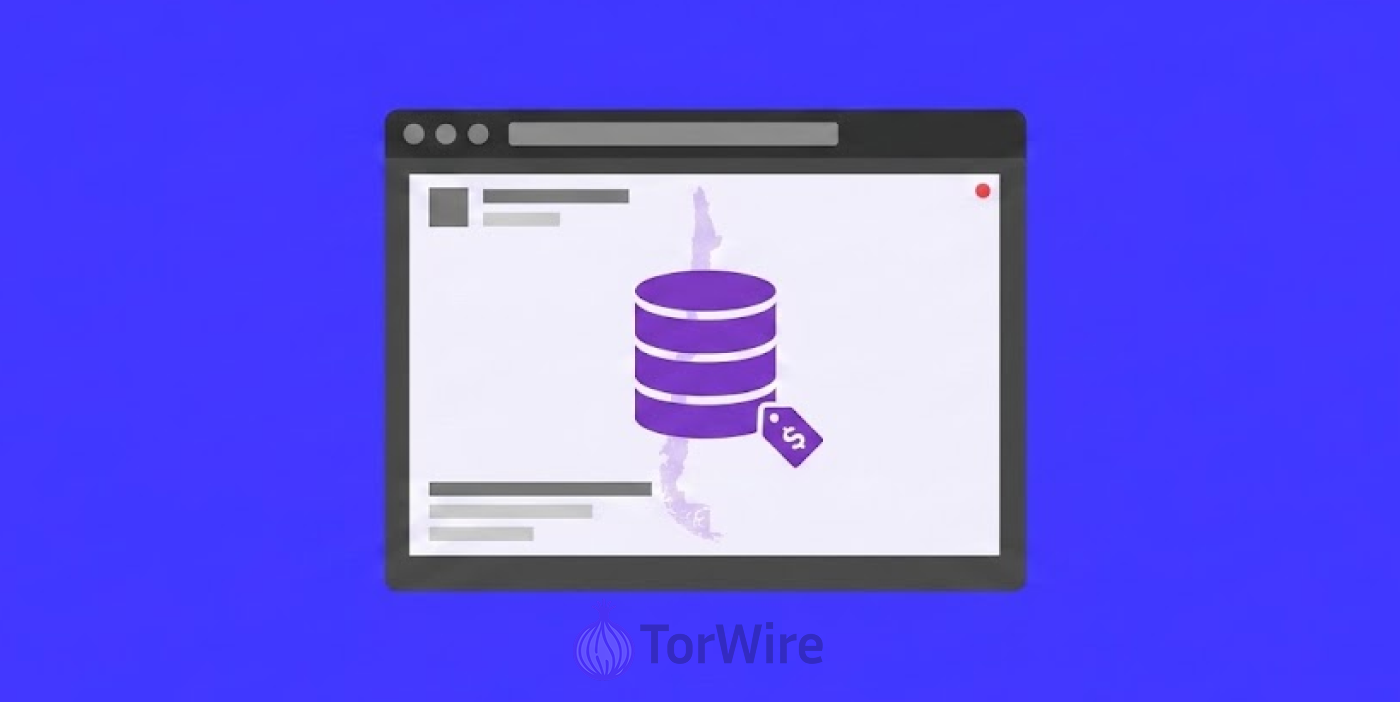
A threat actor advertised an unverified dataset on a cybercrime forum containing personal information belonging to Chilean residents.
-
The seller published a sample file claiming to hold full names, phone numbers, email addresses, residential locations, and Chilean RUT identity numbers.
-
The forum post omitted key operational details, including the total record count, compromised organization name, breach date, and data theft method.
A cybercriminal has offered a personal database for sale on an underground hacking forum, which carries information on the residents of Chile. The advertisement offered records which included full names of individuals, their phone numbers, and email addresses.
The hacker also claims the stolen dataset includes Chilean national identity numbers known as Rol Único Tributario along with physical residential addresses. While the threat actor shared a small file sample, the listing omits details about the breach date, source company, or stolen record count.
Dissecting the Alleged Chilean Personal Information Leak
The dark web post appeared on a well-known cybercrime venue, and offered the sale of sensitive personal records of citizens to purchasers. According to threat intelligence monitors, the seller published a small sample file to demonstrate possession of real data. Exposed fields in the sample include individual names, primary contact numbers, email addresses, and residential home addresses.
Furthermore, the seller listed Chilean Rol Único Tributario numbers within the leaked collection. Chilean institutions use these unique national identification numbers across banking, taxation, and government services. Combining national tax IDs with personal addresses creates severe privacy risks for impacted individuals across the country.
However, the forum posting leaves out critical operational details regarding the alleged data breach. The threat actor did not specify the originating company, public agency, or compromised database name. The seller also withheld the total record count, the exact breach date, and the technical acquisition method.
As a result, analysts in cybersecurity recommend that individuals exercise caution while checking the sale listings on the dark web as they do not show clear sources of the information. Some sellers on the dark web mix old databases of information, use publicly available documents, or blow up the dataset sizes, luring customers in.
Severe Risks of Identity Theft and Social Engineering
The exposure of PINs along with the home address presents instant dangers for affected individuals. Cybercriminals regularly purchase dark web datasets for phishing campaigns and financial crimes. Possessing valid RUT numbers allows impersonators to attempt unauthorized account access across commercial banking and credit platforms.
Similar risks apply to demographic data, a threat actor recently published a dataset claiming to contain approximately 10,000 records of LGBTQ+ individuals in the U.S., including full names, dates of birth, and Social Security numbers, with researchers warning that such targeted data can be weaponized for doxxing, extortion, and harassment beyond standard financial fraud.
Furthermore, cybercriminals utilize contact information – such as phone numbers and home addresses, to carry out effective social engineering scams. They can send messages or make calls while impersonating representatives of official organizations such as the tax authority or banks in Chile. The use of real personal ID numbers and addresses enhances the credibility of these scams.
In addition, black market brokers sell newly compiled contact databases to phishing groups and scammers. Then, the bad actors send malicious files as well as phishing links to the stolen email addresses.
Thus, experts in cybersecurity consider every leak containing personal ID numbers to be an incident with high risks. Even without confirming the authenticity of the database, criminals can use legitimate phone numbers for SMS scams.
Dark web trading sites act as the centers of monetization of stolen company details and personal information. Once cybercriminals upload sensitive documents on the web, various threat actors start copying them and distribute them across private messaging services. This rapid distribution model makes complete data recovery virtually impossible for affected individuals.
Safeguarding Personal Identifiers and Enhancing Data Governance
Organizations across South America need to tighten who can reach their databases. Unauthorized data extraction poses a growing threat to customer privacy. Companies should apply robust encryption to all stored and moving client records.
With the use of multi-factor authentication, there is another layer of security when trying to access stored files in the cloud. This technology prevents unauthorized people from getting access to confidential information.
People have a significant role when it comes to protecting their information. The process of regularly checking for unusual activity on your account helps identify an issue as soon as it arises.
One has to be suspicious about receiving unforeseen calls and texts requesting personal information. Genuine institutions such as banks and other government bodies would never request secure information via unsecured phone lines.
Security experts recommend using dark web monitoring systems to detect problems with company data at an early stage. Continuous logging and proactive threat hunting on the system can also allow discovering stolen credentials before the data gets into reach of criminals. Quick detection significantly reduces the harm from cloud storage mistakes.
People can also monitor any potential breaches using special tools that enable them to find their personal data on hacker forums on time. By constantly changing passwords, users can prevent attackers from reusing their old credentials on different platforms.
Chilean regulators continue to enforce strict data protection rules and these laws hold businesses responsible for keeping client information safe. Strong governance frameworks ensure that companies secure personal identification numbers across all digital platforms. Proactive network defense remains critical as underground markets keep trading stolen identities worldwide.