-
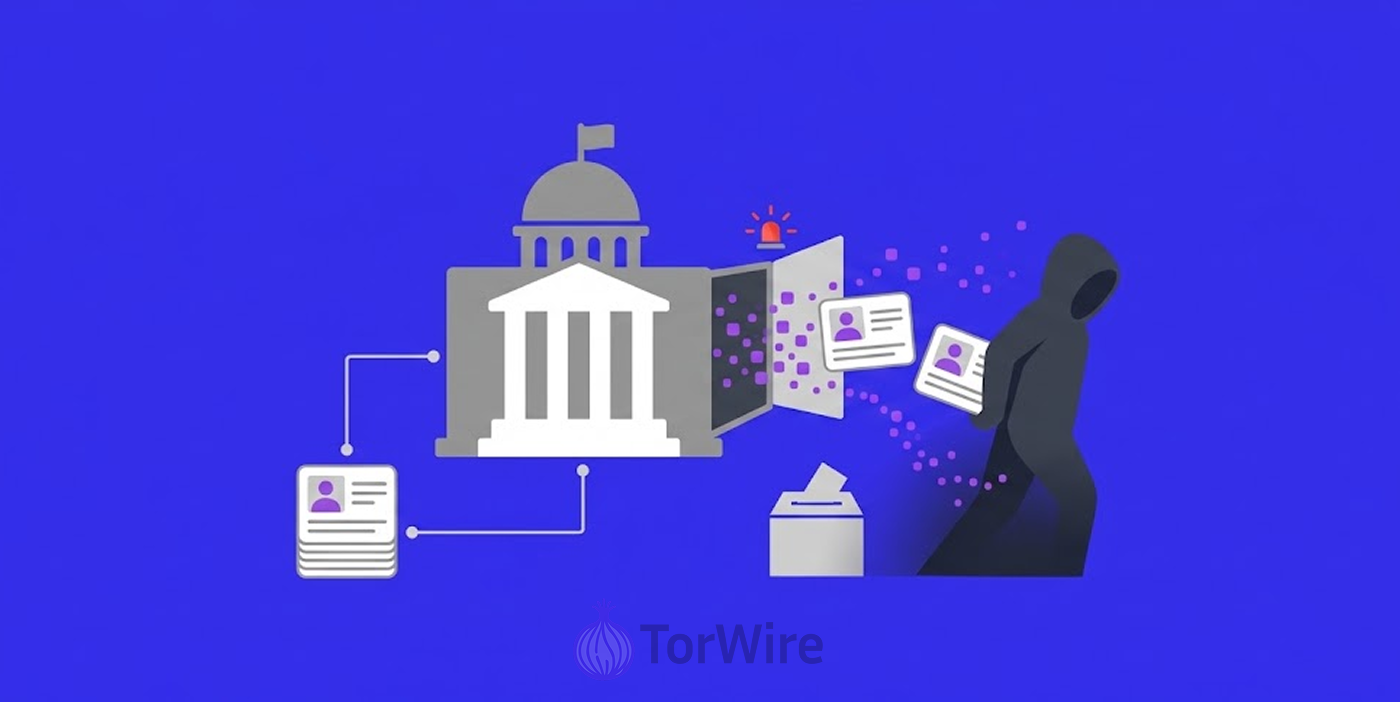
A hacker called “wenhao” claims to have taken more than 6.8 million records from the Dominican Republic’s electoral system.
-
The alleged data includes ID numbers, full names, birth dates and 5.6 million photos.
-
The claim is still unverified, and the country’s electoral authority has denied earlier leak reports.
A hacker using the name “wenhao” claims to have pulled a huge batch of personal data from the Dominican Republic’s electoral system. The claim appeared in a post shared by the cybersecurity account Dark Web Informer on X. It says the stolen files hold more than 6.8 million records and about 5.6 million photos. So far, no one has confirmed that the claim is true.
Details of the Alleged Leak
According to a post on an underground forum, the full dataset totals around 20.7GB. The hacker claims the files include national ID numbers, known locally as cédulas. The data also allegedly covers full names, birth dates, birthplaces, marital status, blood type and job details. The hacker reportedly shared sample records and ID photos to back up the claim.
However, nobody has checked these numbers yet. No proof shows where the data really came from. No one knows if the records are real, old or current. It also isn’t clear if anyone broke into the electoral authority’s systems. Until that changes, this stays an unverified claim and not a confirmed breach. Cybercriminals also trade access to targeted organizations, as reported in cybercrime broker advertisements for corporate network access to high-revenue firms.
Earlier Leak Claims Raise Questions
This isn’t the first time a hacker has claimed to have Dominican citizen data. On September 21, 2026, news site 7dias.com.do reported a separate alert. A hacker called “rannark” claimed to hold over 10.2 million records tied to citizens, soldiers, police officers and foreign residents. That outlet made clear that no official source had confirmed the claim.
In August, El Caribe reported on another alleged leak. That claim pointed to roughly 105,000 records supposedly taken from the Civil Registry database. The report noted that the Junta Central Electoral (JCE), the body that runs the country’s voter and civil records, pushed back on the claim.
On August 25, the JCE stated it had found no security incident involving its systems, as reported by El Día. The agency said no data had leaked from its databases. It also pointed to its ISO/IEC 27001 security certificate, which it has held since 2023. You can read more about the agency on its official site.
These past cases don’t prove the new “wenhao” claim is true. They are separate incidents. Right now, nothing links them together.
Online Reactions Point to Fraud Fears
The new claim has already sparked worry on social media. Some users fear what could happen if the leaked data turns out to be real.
A user named Sammy warned that the risk may stretch past voter records. The cédula also works as the country’s main ID document. The user explained that mixing ID numbers, birth dates and face photos could help criminals try SIM-swap scams. The same mix could also support fake loan applications in someone else’s name.
Another user, Litoral Garcia, criticized the country’s digital safety. The user wrote in Spanish that the nation’s cyber systems have been shockingly weak. The comment reflects growing frustration over how often such leak claims keep showing up.
These posts show how people feel about the news. They don’t prove that a real breach took place or that anyone has misused the data yet.
If the records turn out to be genuine, the mix of ID details and photos could help criminals pretend to be someone else. It could also fuel targeted scam messages built around real personal details. Still, these remain possible risks for now, not confirmed harm linked to this specific claim.
Three big questions remain open. Are the records real? Where did they come from? Did someone break into a protected system to get them? Until officials or investigators answer these questions, this story should stay labeled a claim, not a confirmed data breach of the country’s electoral system.