-
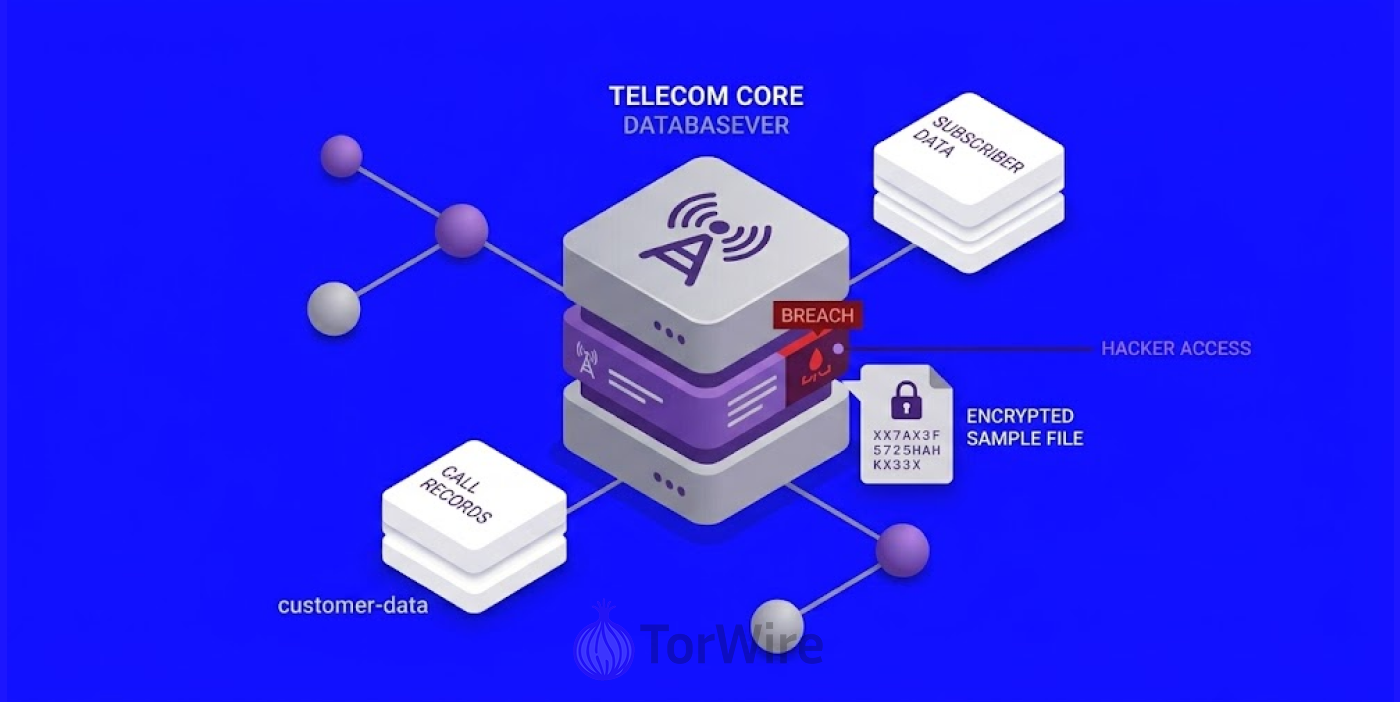
A dark web threat actor claims to have breached a Vodafone core database, posting an encrypted sample file rather than readable customer records.
-
The listing provides no details regarding affected record totals or specific data fields, and analysts stress that core database claims do not confirm a compromise of core telecom network infrastructure.
-
External security researchers cannot verify the authenticity or origin of the encrypted files, meaning the incident must be treated strictly as an unverified threat claim while investigations continue.
A cybercriminal has posted the breach of a significant database of Vodafone, a famous telecommunications company, in an underground forum. The hacker put out an advertisement claiming to possess access to the databases that secure sensitive information about businesses.
However, the hacker did not post any readable user files or IDs, which is the normal practice in data theft announcements on cybercrime platforms. Instead, the cybercriminal posted an encrypted sample file, presenting the activity as a form of resistance against corporate privacy.
Unusual Disclosure Strategy and Lack of Readable Evidence
Threat actors typically share plain-text samples containing email addresses, phone records, or payment details to prove successful network intrusions. In contrast, this hacker uploaded an encrypted data blob that hides the underlying file contents from public view. The forum post omits critical technical metrics, failing to reveal the total number of compromised customer records or specific data fields.
As a result, experts remind people of being cautious when analyzing the statements made on the dark web. The hacker suggested that some more dumps of files or official disclosures could be posted later. However, the fact that the data filed is encrypted makes it impossible for external people to make any technical verification.
In addition, bad actors frequently use dramatic breach announcements to build personal online reputations or trick buyers on criminal marketplaces. Without unencrypted file samples, security teams cannot confirm whether the underlying material belongs to Vodafone or represents recycled data dumps from unrelated historic breaches. Therefore, security operations centers continue to monitor dark web forums for secondary validation indicators.
Technical Ambiguity Surrounding Core Database Systems
The posting on the forum uses general terms and affirms direct access to a Vodafone core database. In telecommunications systems, the term core refers to many specific systems in various territorial divisions. A core database can mean central CRM systems, billing databases, or administrative directory databases of the company.
Alternatively, the term could theoretically imply access to core network infrastructure, such as subscriber profile registers or signaling gateways. However, cybersecurity analysts emphasize that internet users must not interpret these forum posts as proof of a telecom infrastructure breach. Telecommunications providers separate operational network stacks from customer-facing web portals to prevent external network compromises.
Furthermore, accessing a corporate database server does not automatically mean an attacker compromised the underlying radio access network or call routing hardware. Major mobile operators deploy strict network segmentation policies to isolate core switching subsystems from general corporate networks. Global defense organizations recommend strict logical boundaries between administrative IT networks and industrial control systems to contain potential breach events.
Threat Intelligence Context and Extortion Motivations
The threat actor framed the database compromise as an ideological response to alleged corporate failure regarding customer privacy rights. Malicious operators increasingly adopt hacktivist language to justify extortion campaigns and gain news media attention. By framing network intrusions as public interest actions, bad actors attempt to pressure target corporations into entering private negotiations.
Furthermore, cybersecurity intelligence teams routinely monitor these posts on forums to differentiate between real security breaches and scams. Criminal sellers often falsely allege the breach of multinational companies just to attract the interest of underground buyers. Thus, intelligence teams check whether the file structure announced by scammers has been published in previously known data leak databases.
Dark web investigations can also lead law enforcement to larger criminal networks. In a separate case, New Zealand police arrested 11 people during a major raid targeting an alleged dark web drug syndicate. The operation shows that authorities continue to monitor underground platforms and take action against criminal activity linked to them.
At the same time, regulators require telecom businesses to conduct extensive digital forensic investigations upon identifying signs of a breach. The laws from international data protection authorities oblige companies to determine whether they suffer data compromise.
Also, they must report all verified incidents quickly. Without the completion of internal audits revealing any irregularities in server traffic or database export logs, the threat remains unverified.
Recommended Operational Defenses for Telecom Consumers
While cybersecurity experts check the leaks on the dark web, telecommunications consumers need to enforce measures to protect their accounts in advance. Cybercriminals often exploit corporate breach rumors to conduct social engineering and fraudulent communications. This means unaware consumers may get phishing emails or fake text messages tricking them into urgently updating their credentials.
Furthermore, mobile users should also set up MFA using the online portals of the service providers and change the default PIN of their accounts first. Unique passwords can also help prevent credential stuffing attacks in case hackers try to use the credentials they obtained in previous cyberattacks.
Finally, the success of enterprise network security is based on proper monitoring and fast response to incidents. Also, organizations should apply zero-trust access to the databases.
It is important for telecom companies to audit their access logs and implement strong encryption standards for their databases. Also, they should restrict access to third-party APIs. While police investigations take place, it is crucial to rely on the statements of official security agencies for assessing actual digital threats.