Imagine having a security guard for your business, but instead of watching your office doors, this one patrols the entire internet. It scans for leaked data, fake domains, impersonated social media accounts, and even dark web chatter that could harm your brand before it escalates.
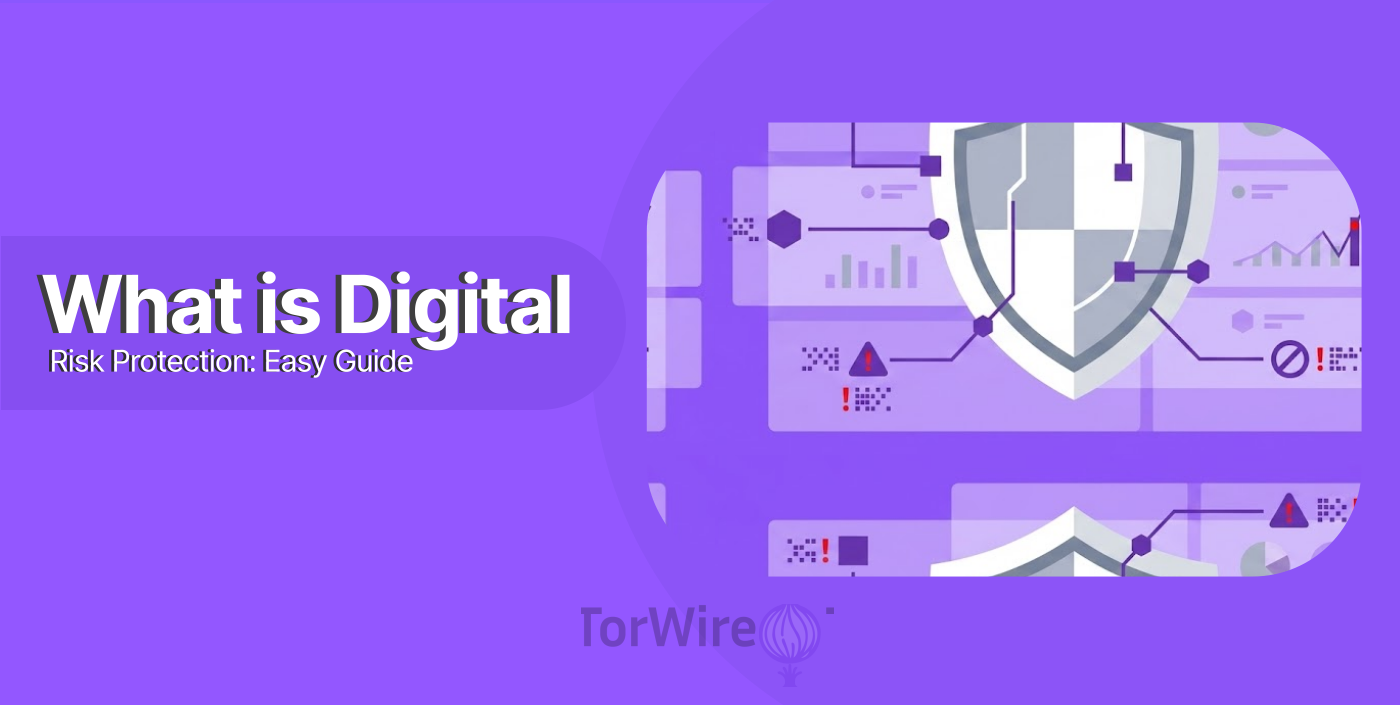
That’s exactly what Digital Risk Protection (DRP) does. Digital Risk Protection is a proactive cybersecurity strategy designed to identify, analyze, and neutralize threats that exist outside your organization’s firewall. While it shares similarities with threat intelligence, DRP goes a step further; it doesn’t just collect data, it takes action to reduce risks in real time across the digital landscape, where modern threats are constantly evolving.
In this guide, we’ll break down what Digital Risk Protection is, what it delivers, and how to evaluate its effectiveness in safeguarding your business.
What is Digital Risk Protection (DRP)?
By definition, Digital Risk Protection is using a third party (Digital Risk Protection Provider) to monitor different sites and digital resources digital presence to identify risks associated with your brand.
Essentially, you are outsourcing the monitoring and alerting of digital resources 24 hours per day, from the traditional web, dark web, and social media. Digital Risk Protection (DRP) generally covers the following primary threat categories:
Brand Protection
Checking for impersonators of your brand. DRP tools will identify instances of individuals or organizations using fake social media accounts, fraudulent mobile apps, or counterfeit websites using your company’s name and/or logo to deceive customers and/or damage your brand.
Fraud Prevention
Monitoring for financial scams perpetrated in your business’ name, i.e., phishing scams that use your brand’s likeness to steal individuals’ credentials, or scam promotions, fake product incentives or scams that use gift cards as a method to steal money from consumers.
Data Leak Protection
This is one of the most important categories of potential risk. DRP tools scan public paste sites, hacker forums, and dark net marketplaces to identify whether your company’s sensitive data, such as customer data, employee passwords, or proprietary information, has been exposed or listed for sale.
Threat Intelligence
Threat Intelligence includes information about your company and will also include additional intelligence about the threat actor’s tactics, tools, and processes. An example of how to utilize this information is if you know of a particular group that is actively hacking your industry, then you may be able to strengthen your defenses before they attack you.
Executive and VIP Protection
Executive and high-profile individuals are at a higher risk of personal harm than any other class of individuals. They could face attacks on their person, online harassment, or “doxing” the act of posting private information, i.e., name, address, etc. of an individual.
DRP can provide monitoring of data leak sites, monitoring of threatening communications online, and increasing the likelihood of identifying physical threats to executives from digital communications.
How Does Digital Risk Protection Actually Work?
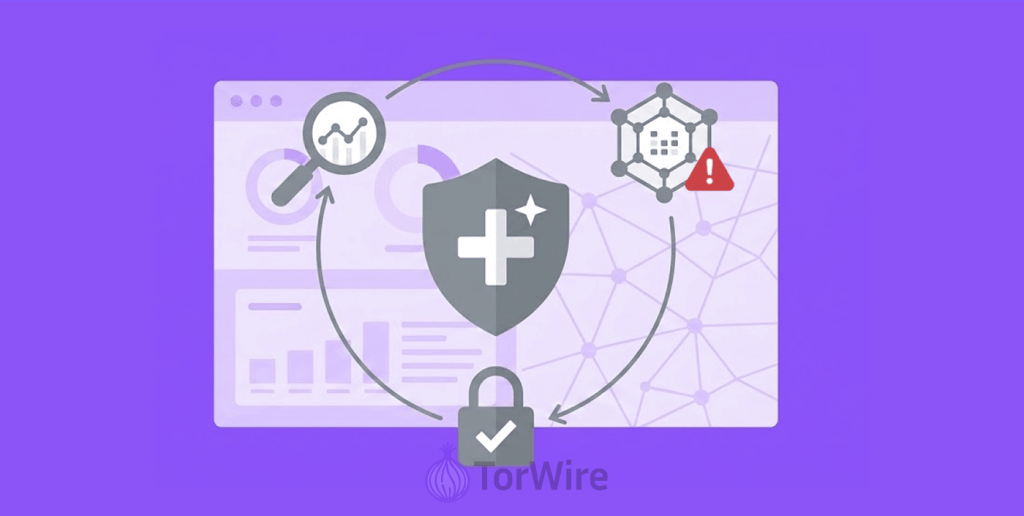
Understanding the purpose of DRP is one thing, but understanding how it works is a totally different matter. It doesn’t happen by magic; it requires a disciplined process powered by technology and expertise. Leading Digital Risk Protection vendors generally organize their services into a continuous cycle or loop, like the following:
1. Discovery
This is the “throwing the biggest fishing net phase” where you use automated tools to search against the entire internet (surface, deep, dark web) as well as through social media, app stores, code repositories, etc.
The aim is to identify any digital assets linked to your organization or mentions of it across the internet. Once this is complete, you will have a much larger, continually updated list of items that may be a potential risk source.
2. Monitoring
After exposing assets and potential threat vectors, you place those assets under ongoing surveillance and monitor them for future activity.
This can be done by tracking newly registered domains with suspicious names linked to your organization and monitoring hacker forums for mentions of your company over time.
3. Analysis
Not all findings from discovery or monitoring qualify as critical threats to your organization. This is an analysis phase of the Digital Risk Protection process, which will involve the established process to determine the context for that discovery.
For example, does discovery show your organization has a fan page or a fake page on social media? The objective of this phase is to help determine whether there are any actual potential risks or threats from that discovery.
The way in which the analysts will evaluate the context of each of the discoveries assisted by some type of artificial intelligence tool is by separating out the high noise findings versus genuine risks.
4. Mitigation
This is your action phase. With a fraudulent website, this could be achieved by submitting a ‘takedown request’ through the hosting provider. For leaked credentials, you would execute a forced password reset to the affected accounts. They do this to contain and neutralize the respective threat.
5. Optimization
The process does not end at the previous phase. Insights from all handled cases are fed back into the system to refine algorithms and improve monitoring rules, helping detect similar future threats faster and more accurately.
Why is Digital Risk Protection so Important Today?
Most businesses operate in the digital space, and as a result, there is a huge amount of risk involved in it. The number of different areas that you’re open to risk has also increased significantly.
The risk trend includes employees with social media accounts and vendor systems that store their data. Also, even app stores or cloud databases you may not be aware of, which could be exposed.
Traditional security tools like firewalls and antivirus software are important, but they are mostly reactive and only respond to threats after they appear against your company.
Digital Risk Protection (DRP) changes this dimension by searching for threats outside the perimeter of your organization to prevent attacks such as phishing attacks, fraud, and brand impersonation from reaching your employees or customers.
To summarize it, without knowing that threats exist against you, it will be impossible to keep them from happening. Digital Risk Protection identifies hidden areas of the internet where threats against your organization may be planned.
Six Real-World Use Cases for Digital Risk Protection
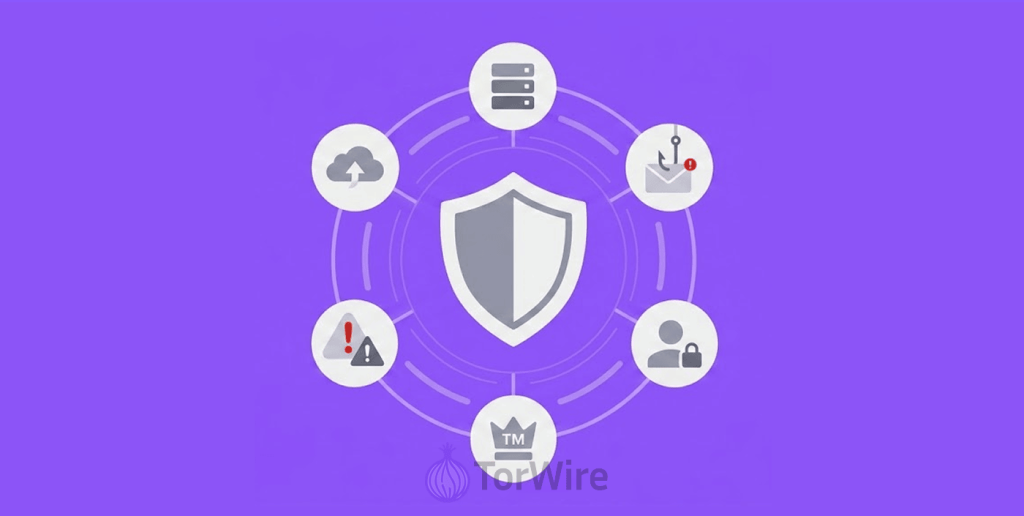
DRP isn’t a theoretical concept; it solves concrete, expensive problems that cost businesses millions annually. Here are six critical situations where a DRP service proves its value:
Brand Impersonation & Fraud
There are more than just fake social media accounts; bad actors create counterfeit e-commerce sites where they use your company’s logo and product images to sell counterfeit products and steal credit card numbers.
Also, counterfeiters may set up phony “customer support” accounts on X (formerly Twitter) to direct customers attempting to access their accounts to phishing links instead of genuine customer service representatives.
In addition, a company can use a DRP service to have a continuous process of scanning the entire digital landscape for impostors and to detect digital counterfeits early, so that it can remove the counterfeits before they diminish customer trust in the true brand.
Phishing & Malware Campaign Mitigation
Phishing remains one of the most common cyberattack vectors. Phishers try out the actual phishing pages on various obscure domains prior to sending out mass email campaigns.
Cybersecurity professionals use DRP tools to search for these staging areas in order to detect phishing kits (pre-made templates for fraud) and newly registered domains that impersonate your brand (e.g., netf1ix-login.com).
Finding these ‘staging materials’ can help security professionals report and request that hosting providers remove these phishing emails before they ever reach your employees’ or customers’ inboxes.
Data Leak & Exposure Detection
Not every security incident involving sensitive data is due to high-profile breaches. Many times, developers inadvertently expose sensitive information by uploading files to unprotected public GitHub repositories, organizations fail to secure cloud-based storage solutions, or disgruntled employees post sensitive company information on public forums.
By monitoring these venues, DRP can help business intelligence and physical and IT security professionals to identify where your company’s Intellectual Property (IP), source code, company documents, or customer files may be exposed. Finding a leaked API key or a leaked password file prior to an attacker doing so could save your organization from an enormous network breach.
VIP & Executive Protection
High-profile people are generally at risk of “doxing,” which is the malicious public release of private information, along with extortion and attacks to their credibility through their own personal and family’s identity.
This DRP program will monitor for the exposure of personal addresses, family member details, and the exposure of their personal email account through compromised sources. Also, it watches out for threatening language, coordinated harassment campaigns, and the proliferation of deepfakes or manipulated media against them.
These metrics represent critical intelligence needed to govern both people’s security personally and that of their company.
3rd Party & Supply Chain Risk
Your security is as strong as the weakest vendor that you are working with. If there is a breach at one of your vendors, such as a small marketing firm or a cloud service provider, even though your security may be strong, it will become vulnerable through that breach at one of these vendors.
DRP will extend its monitoring to include your entire digital ecosystem, searching for data breaches, exposed credential information, and publicly accessible dialogue on vulnerabilities relating to your vendors or key partners. This type of visibility into your risk management is crucial in today’s cyber risk environment.
Physical Security Threats
The digital and physical worlds are inter-woven. Many times, threats made against an individual, threats of violence, protest plans, and malicious acts being carried out at a specific business location will be found on fringe sites on the internet, in a private chat app, and/or social media.
By having a group like DRP monitoring these types of channels, corporations will have access to early warnings of possible threats to physical safety and will be able to coordinate their response with law enforcement and improve their safety protocols.
What are the Tangible Benefits?
Investing in a DRP program delivers clear returns that go beyond avoiding headaches, directly impacting the bottom line and strategic resilience:
Proactive Security Posture
Moving from a reactionary “break-fix” method of responding to incidents when they occur to a proactive “predict and prevent” method before they occur is an essential principle of modern information security frameworks.
Reputation & Brand Safeguarding
One of the most important intangible assets that your business has is its customers’ trust. You preserve your brand equity and customer loyalty by preventing scams perpetrated against customers in your name. When a major incident occurs, it is expensive to restore lost brand equity and customers.
Financial Loss Prevention
Directly prevents loss of revenue from fraud, counterfeit sales, and gift card fraud. In addition, DRP reduces the enormous direct costs associated with incident response, legal fees, and the reimbursement of customers for losses caused by a data breach.
IBM’s “Annual Cost of a Data Breach Report” shows the average cost of breaches; DRPs are aimed at reducing those costs.
Regulatory Compliance
Depending on whether or not an organization has undergone the serious security inspections mandated by certain legislation, including CCPA, HIPAA, and GDPR, GDPR 72-hour breach notification requirement.
To allow organizations to meet their regulatory obligations and limit potential fines for violations of the said regulations, DRP offers critical help for the organization to identify any leaks quite early and to avoid potential fines.
Strategic Intelligence
Provides security leadership with important information about threats beyond their immediate area of concern. For example, understanding what groups may be targeting organizations in your industry, what means they prefer to use to carry out attacks, and the reasons for the attacks, enables organizations to allocate resources for security investments, policies, etc., so that cyber defenses are aligned with an organization’s business strategy.
Who Actually Needs Digital Risk Protection?
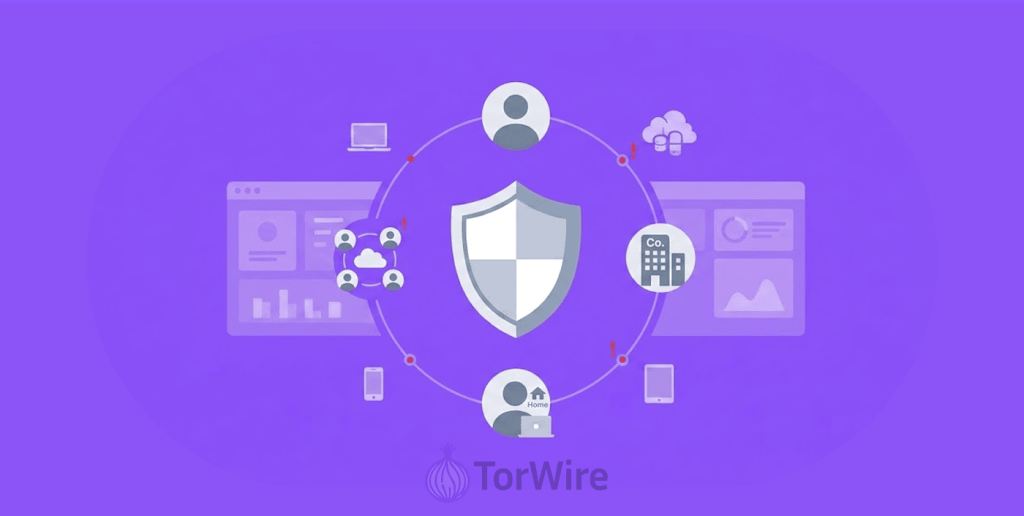
Many organizations would find DRP to be highly beneficial, while some would adhere to a “need to have” standard due to high-value assets, a significant regulatory burden, or an extremely identifiable target profile.
Enterprise and Corporations
Organizations with very large enterprises and corporations represent the largest percentage of organizations that would benefit the most from DRP. Companies that have a significant amount of brand value and a wide range of customers, in addition to having very large and complex digital footprints (e.g., multiple domains), are high-value targets.
According to research firms like Gartner, many companies have begun to adopt Digital Risk Protection as part of their core services to better manage the vast number of external-facing risks that traditional approaches fail to address.
Security Teams (SOC & Threat Intelligence)
Security teams, such as Security Operation Centers (SOC) and Threat Intelligence teams, also fully benefit from DRP. The program will act as a force multiplier for these teams.
DRP frees SOC and Threat Intelligence teams from having to perform tedious external monitoring and provides them with validated, prioritized, and actionable alerts. Subsequently, these teams are able to conduct investigations and respond to incidents rather than spending extended periods of time performing searches for information.
Legal and Compliance Teams
Legal and compliance organizations and groups also benefit from DRP. DRP gives organizations and teams that take down infringing content a documented chain of evidence needed to support their legal takedown requests (e.g., DMCA) or to provide evidence of due diligence in breach notifications to regulators.
Executive and High-Profile Individuals
The personal risks faced by high-profile individuals such as CEOs, board members, politicians, and celebrities can also impact their organizations. The DRP provides monitoring services for high-profile individuals, preventing doxing, harassment, and campaigns of character assassination designed to cause personal or professional harm.
Financial Institutions
As banks, credit unions, and fintech companies are in constant battle against fraudsters, DRP provides a critical early warning system for phishing (using fake bank portals), fake mobile banking apps, and zero-day exploits targeting financial software, all of which appear on sites frequented by cybercriminals.
Healthcare and eCommerce Businesses
Two industries that are commonly targeted for the theft of their data are the healthcare and eCommerce industries. The healthcare industry stores Protected Health Information (PHI) and the eCommerce industry stores vast personal and financial information.
Organizations in such industries are targets of data theft, ransomware attacks, and credential stuffing attacks; so DRP can help such organizations protect this crown-jewel type data.
Proactive Threat Monitoring: The Strategies Behind DRP
Wondering how Digital Risk Protection services locate a business’s needles (i.e., its digital risks) in the haystack of the Internet? They do so using different ongoing monitoring strategies:
Dark Web Monitoring
Uses automatic and anonymous scans on hidden forums, invite-only marketplaces, and encrypted chat networks located on places like Tor. This isn’t just browsing, but using bots to alert you when your company’s name, data, or credentials show up on posts or are offered for sale. The U.S. Department of Justice has outlined how Criminal Markets are operated on the dark web.
For a deeper dive into the mechanics of dark web monitoring, how it works, what it can find, and how to use it effectively, check out our comprehensive guide: What is dark web monitoring.
Social Media Monitoring
Social media monitoring uses social media platforms (e.g., X, LinkedIn, Facebook, Instagram, TikTok, and niche forums) to detect not only brand mentions, but specific threat patterns within posts (i.e., the use of a business’s logo combined with the term “support”, suspicious shortened URLs in posts) and sudden spikes in negative sentiment which could be indicative of a coordinated “smear” campaign or a customer service or product issue that has gone viral.
Domain and Typosquatting Detection
Using algorithms, domain and typosquatting detection identifies domains that are registered with confusingly similar names to a business’s brand name (i.e., typos, homographs, or the addition or omission of hyphens). By identifying these domains during their initial “quiet period”, businesses have the opportunity to mitigate phishing attacks.
Threat Actor Intelligence
Moves from basic threat intelligence to specific hackers, hacker groups (including ransomware), and hacktivist groups. Obtaining insight into the attackers’ toolset, previous targets, and communication style will help analysts evaluate whether and how to prepare for imminent attacks on the affected business sector.
Phishing and Malware Campaign Monitoring
Searches for and identifies the underlying infrastructure for attacks, such as recently obtained SSL certificates for possibly malicious domain names, hosting services with known malware activity, and the specific coding signatures of phishing kits used against the enterprises in the same industry as yours.
Brand and Reputation Monitoring
Employs Natural Language Processing (NLP) to quantify and analyse people’s opinions as expressed through social media, news articles/blog/forum comments/review sites (Trustpilot, etc.), and Reddit.
This enables you to identify topics gaining attention and/or negative news developing in real-time, giving you the opportunity for preemptive Public Relations management prior to significant activity.
Data Breach and Credential Leak Detection
Continuously analyzes and compares data from thousands of historical breaches (collected from multiple sources, including “Have I Been Pwned?”) against all company email domain addresses associated with your business.
If a match is detected, you will receive an auto-emailed alert instructing you to change passwords on the associated accounts to block bad actors from using recycled/old credentials to access your entire operations.
This credential-focused monitoring is a critical component of broader data leak protection. For a complete overview of data leak protection methodologies, tools, and benefits, see our guide, what is data leak protection.
Fraudulent App Detection
Automatically checks Google Play Store, Apple App Store, and third-party Android stores to find out if any apps are in violation of our brand and/or logo, as well as any other copyright materials or images that are unlawfully using our brand. Most of these apps contain malware or will try to steal users’ credentials through fake logins.
What Does It Take to Run a DRP Program?
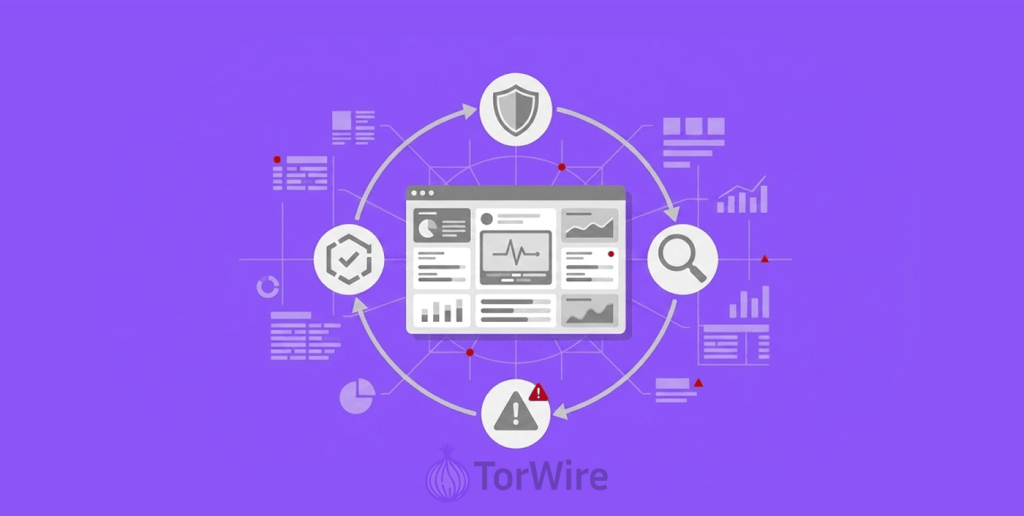
Implementing DRP effectively requires more than just buying software. It requires a strategic blend of technology, human skill, and process. Key requirements include:
1. Specialized Technology
A platform capable of automated, large-scale data collection from a diverse and ever-changing set of sources, including clear web, deep web, dark web, social media APIs, app stores, certificate logs. This technology must also deduplicate information and apply initial filters to reduce noise.
2. Analytical Expertise
Human analysts confirm and contextualize threats identified by technology. Organizations rely on staff, either internal or through managed services, who understand how attackers think, distinguish real threats from false positives, and assess the potential business impact. Digital Risk Protection vendors provide substantial benefits through their teams of experts.
3. Clear Processes and Playbooks
Defined workflows are extremely important. What is the process for handling a discovered phishing domain? Who can authorize submission of a takedown request? How do you escalate physical threats to corporate security? More importantly, the lack of well-defined processes can cause you to miss critical alerts or delay response times.
4. Integration Capability (Orchestration)
To have the maximum level of efficiency, the DRP solution must have integration capabilities with other security tools. The system should automatically send critical alerts to a SIEM (such as Splunk or Sentinel) or a SOAR platform as tickets, and it should also create incidents in a service management tool (such as ServiceNow) so internal teams can receive notifications without manual handoffs.
Is having a Managed Digital Risk Protection(DRP) Service the Right Option?
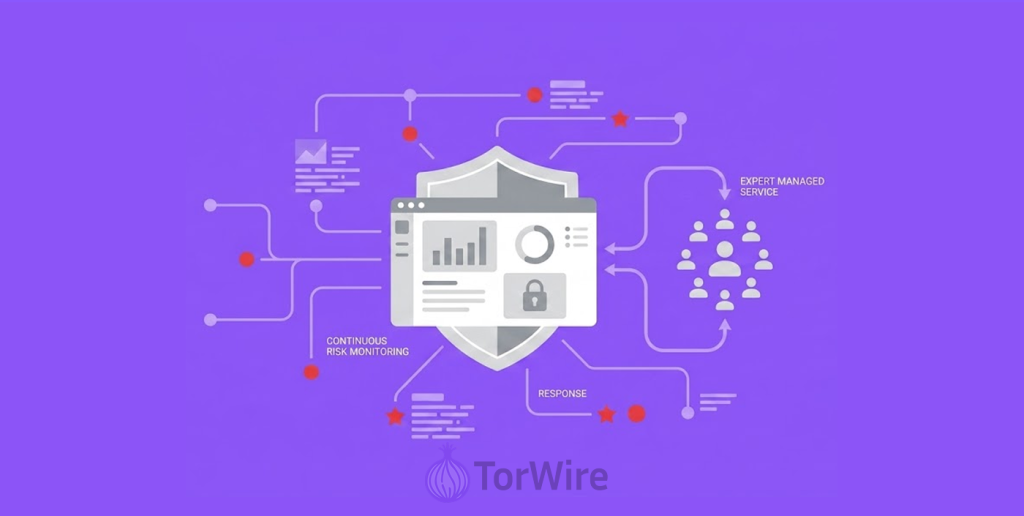
Creating your own Digital Risk Protection(DRP) Program from scratch can be a huge task, considering the 24/7 monitoring, necessitating specialized tools and skill sets. This is the reason most companies, according to various industry studies from organizations like Gartner, choose to utilize a specialized Digital Risk Protection provider for assistance.
A managed DRP service provides immediate access to a dedicated team and mature technology. Also, it can give you an efficient and cost-effective way to gain awareness of external threats. For most organizations without the internal capabilities to build their own specialized security intelligence team, outsourcing their DRP will allow them access to many of the same benefits provided by those companies that do have extensive resources.
Things to consider when evaluating a managed DRP service provider include: your internal resource constraints, the sensitivity of your data, and the value of your brand.
Conclusion
The practice of implementing Digital Risk Protection is an integral part of modern-day defense strategies against cyber threats. Attackers create and launch today’s threats on the open internet, so relying on an incident to happen before taking action is not a winning strategy.
Through proactive monitoring of the digital space for brand abuse, data theft, and targeted attacks, Digital Risk Protection gives businesses the power to be proactive in their strategies.
Digital Risk Protection will also help businesses to protect themselves from financial and reputational losses and will provide them with enough advance notice to take the appropriate action before an event occurs.
FAQs
Threat intelligence provides a broad view of global cyber threats, while DRP focuses on detecting and responding to threats targeting a specific organization.
Yes. SMBs can benefit from DRP too; many providers offer scalable, budget-friendly solutions focused on brand monitoring and detecting data leaks.
DRPs help ensure compliance by detecting potential breaches early, enabling timely notifications, and minimizing damage.
Managed DRP services also handle the removal of fake websites and social media accounts. They work with domain registrars, hosting providers, and platforms to quickly file takedown requests when a verified threat is identified.