-
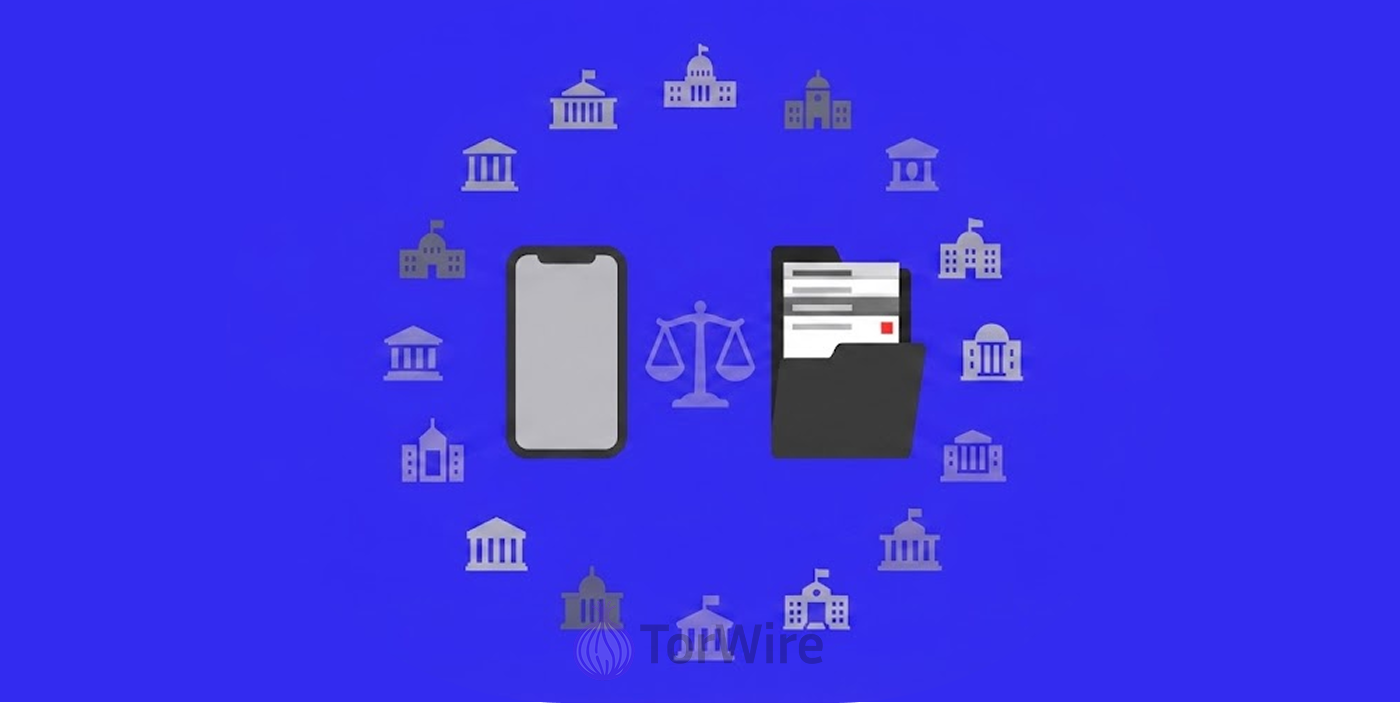
Apple can now ask 14 US government agencies for records to use in its fight against a federal antitrust lawsuit.
-
A special master rejected the government’s second attempt to stop Apple from getting these documents.
-
Apple believes the records will show that its iPhone rules protect user privacy and safety.
Apple just won another round in its legal fight with the US government. The company can now move forward with plans to get records from 14 federal agencies.
Apple needs these documents to build its defense in a major antitrust case, according to media reports. The case centers on how Apple runs its iPhone business and its wider device ecosystem.
A Judge Backs Apple Once More
Special Master Jose Linares made the call on this dispute. He turned down a new request from the government to block Apple’s access to the records. The Mac Observer reported this decision on August 30. This marks the second time the government tried and failed to stop this discovery.
The ruling could give Apple a look at how federal agencies judge mobile device security. It may also reveal how these agencies buy and use phones. Apple says this kind of information matters to its case. The company wants to show its choices line up with real government thinking on security.
The Justice Department accuses Apple of holding on to illegal monopoly power in the smartphone market. Apple disagrees with this claim. The company says its iPhone rules exist for good reasons. Apple points to user privacy and device security as its main goals. The tech giant argues that some limits inside its ecosystem protect regular users from harm.
What Apple Hopes to Find
Apple wants records from agencies such as the FBI, the CIA, and the NSA. The company wants to know how these agencies pick phones for their staff. It also wants details on the rules these agencies set for phone use, the publication reported.
The federal government’s role in data privacy extends to the automotive sector. The FTC enforces the Safeguards Rule under the Gramm-Leach-Bliley Act, which requires auto dealers that finance or lease cars to implement written information security programs. Dealers must also report data breaches involving at least 500 consumers to the FTC within 30 days, as part of broader federal efforts to protect consumer data across industries.
These records could help Apple build a stronger case in court. If federal security agencies prefer iPhones, or if they support Apple’s safety features, that helps Apple’s argument. The company can then say its practices come from real security needs. That would counter claims that Apple only wants to block rivals from competing.
Apple has looked for more than just security records too. Earlier reports show Apple also wants data on federal phone and wearable device purchases. The company wants studies on privacy and cyber risks written by these agencies. It wants records on the use of its own developer tools as well. Data on smartphone pricing and market share matters to Apple’s case too.
Apple believes this wide range of records will paint a fuller picture for the court. Each piece connects back to the same core argument. Apple wants to show its ecosystem rules exist to protect user privacy and device security.
The Government Objects
The Justice Department did not want the court to allow this discovery. Government lawyers said gathering the records would take too much work. They also argued the material would not help the case much, according to The Mac Observer. The government tried more than once to stop Apple’s search for these files.
Government attorneys made another point too. They said the 14 agencies should count as outside parties in the lawsuit. That status would give the agencies more protection from Apple’s requests. Linares did not accept this argument, the report said. He ruled that agencies carrying out executive branch policy count as part of the United States in this dispute.
Officials from the government raised more worries about the process. They said some of the agencies Apple named had no role in the original investigation. They also said these agencies use mobile technology differently from regular people.
Searching through classified or sensitive government systems could take a long time too. Reviewing each document for privacy rules or national security limits adds even more work, an earlier report from the outlet noted.
Apple pushed back on these claims. The company said it already narrowed its list down to 14 agencies. Apple could have asked for records from hundreds of offices across the federal government. The company chose not to, in an effort to keep its discovery request reasonable, The Mac Observer reported.
The government has now tried twice to block this discovery. Both times, Linares sided with Apple and let the request move forward. This ruling marks another procedural win for Apple in its search for evidence, The Mac Observer reported.
This new ruling does not end the antitrust case. The core allegations against Apple remain unresolved for now. Apple still has to answer the government’s main claim of illegal monopoly power. The decision does let Apple collect government records that may support its defense, however.
Apple hopes to show that tighter control over its iPhone system brings real privacy and security benefits to users. The company wants to prove its rules protect people, not just its own business interests. This issue looks set to stay central as the Justice Department’s case moves forward in the months ahead.
The case marks the latest step in a long legal battle between Apple and federal regulators. Both sides continue to prepare their arguments for a fight that could reshape rules across the smartphone industry. Apple will now begin working through the records it can gather from these 14 agencies, as it builds the rest of its defense.