-
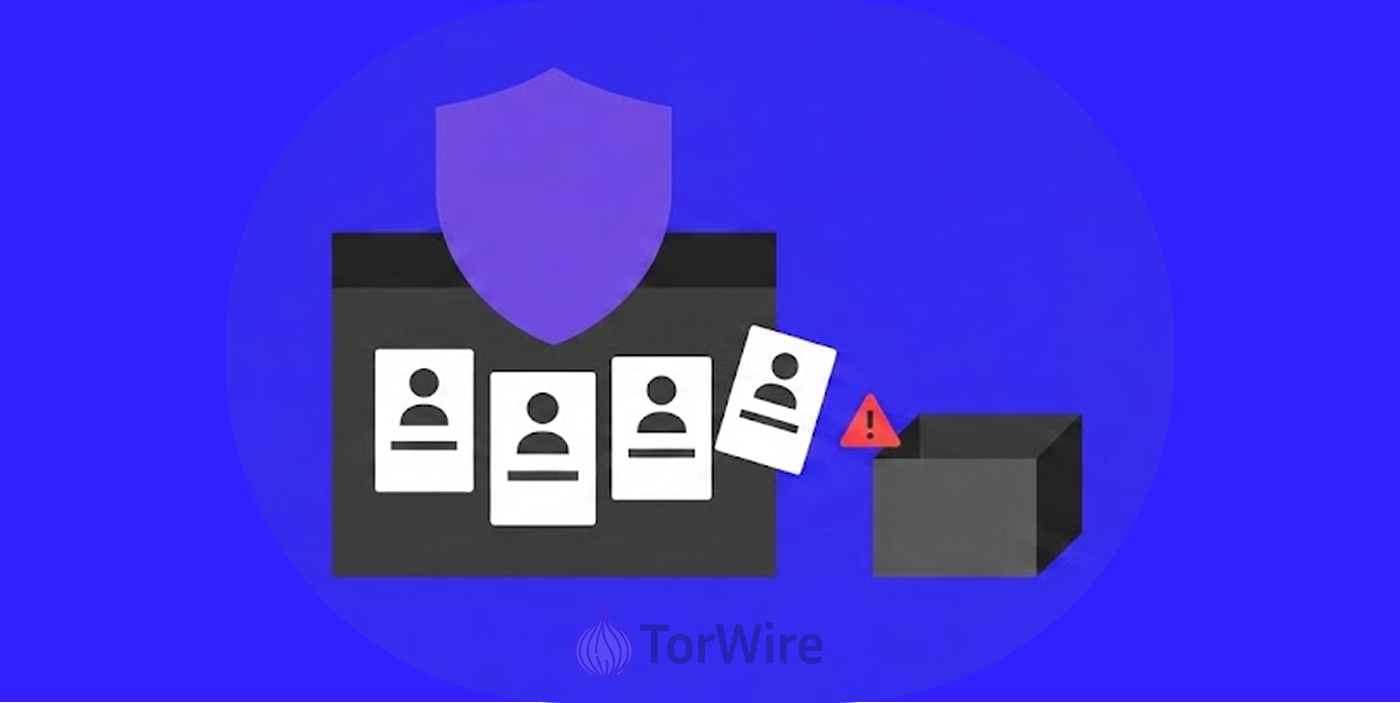
A cybercriminal on an underground forum claims they are selling a database with more than 50,000 DELKO client data.
-
The stolen data includes names, contact details, car registration numbers and detailed mechanics repair histories.
-
Security experts have not independently verified the leak, but affected customers should watch out for targeted phishing scams using vehicle service details.
French automotive service organization DELKO is dealing with a significant data security incident as a hacker posted its alleged customer database on a dark web forum.
The hacker asserts that the stolen database contains confidential information regarding over 50 thousand customers from all parts of France.
Digital security monitors discovered the dark web advertisement early this morning. Security teams are currently assessing the validity of the post while affected vehicle owners await official confirmation from the company.
Scope of the Alleged DELKO Customer Data Exposure
The advertised database reportedly contains complete personal profiles extracted directly from DELKO backend servers. The stolen information contains customer account numbers, personal names, emails, and telephone numbers.
Furthermore, the hacker states that the stolen file holds registration numbers of cars, dates of account creation for customers, and full service history. The exposed records cover routine mechanical repairs, tire services, vehicle inspection car histories, and exact pricing details for individual appointments.
To prove the breach, the threat actor published sample records alongside screenshots showing internal database access. The exposure of vehicle registration numbers combined with physical appointment histories poses significant digital safety risks for vehicle owners.
Cybercriminals often seek access to vehicle maintenance information that they use when running highly targeted scams. As a result, people who have the compromised information can suffer exposure to customized phishing attempts to get their banking details or personal data.
Operational Risks for French Vehicle Owners
The leak of detailed mechanical service records creates serious threats that extend beyond simple spam emails. Malicious actors can analyze appointment histories and service types to create realistic messages pretending to be official DELKO garage staff.
Furthermore, attackers can reference real vehicle inspection dates to trick victims into paying fake maintenance invoices. These specialized phishing attacks succeed much more often because they mention real vehicle repair details.
In addition, the integration of names, phone numbers, and vehicle registration numbers allows scammers to commit identity fraud. Scammers can use vehicle registration information to perpetrate false ownership transfer transactions or set up phony vehicle advertisement profiles.
Meanwhile, threat actors sell verified contact lists on illicit forums to feed automated phone scam tools. Vehicle owners who use the same passwords across multiple platforms also face immediate credential stuffing dangers if login details surface online.
Verification Challenges and Dark Web Data Risks
No independent cybersecurity team has validated either the authenticity or the reach of the advertised database. Industry experts note that dark web vendors often exaggerate claims to create a name in cyberspace and lure customers.
At times, scam artists repurpose leaked information from different companies – and they later wrap it in new packages. Therefore, experts urge caution until security investigators complete a full forensic review of the posted sample records.
However, the inclusion of specific technical service notes and local appointment dates suggests the records could be genuine. Cybersecurity teams are currently cross-referencing the leaked samples against known DELKO service formats to determine their original source.
In addition, researchers are checking whether an unpatched application programming interface or stolen staff credentials permitted backend server access. The company has not issued an official public statement confirming an active network intrusion.
In a separate supply-chain attack, hackers purchased 30 legitimate WordPress plugins from their creators and planted a deserialization backdoor in all of them, waiting eight months before activating the malicious code across approximately 100,000 websites. The attacker gained full commit access to the plugins and injected code that allowed them to maintain persistent backdoor access, prompting an emergency security patch.
Regulatory Implications Under European Privacy Laws
According to the European Union General Data Protection Regulation, DELKO is obliged to comply with particular regulations as a business operating on the territory of France. In line with these regulations, organizations are to inform the data protection authorities, which in this case is CNIL, within the period of 72 hours after establishing that a breach has taken place.
Additionally, organizations are obliged to notify the affected individuals about the breach if the collected information is considered to pose a considerable risk to their privacy.
A failure in the responsibility of the organizations to secure sensitive information could result in heavy financial sanctions from the governing authorities. Such regulatory bodies are responsible for making sure that the breached companies took enough security measures, including using appropriate encryption measures, providing strict access control, and conducting regular database security audits.
Moreover, in case of serious data leaks, the organizations can face severe reputation damage and loss of confidence among clients. French consumer protection organizations constantly keep track of the breach reports from companies. They help to verify whether the victims receive the necessary notification and support while recovering from the breach.
Key Security Actions for Vehicle Owners Following the Leak
Car owners who visit DELKO service stations should take steps to ensure the protection of their private data. They have to be watchful over unexpected emails, phone calls, or text messages claiming to come from auto repair garages.
Individuals should avoid clicking embedded web links or opening email attachments sent by unverified accounts. Furthermore, motorists should verify any urgent payment requests, they should call their local repair shop directly using verified phone numbers.
Account holders should also change passwords on any personal accounts that share login credentials with their DELKO profiles. Enabling multi-factor authentication on primary email accounts and financial portals provides critical protection against unauthorized access.
Moreover, vehicle owners should monitor their personal bank statements for unusual charges or unauthorized administrative fees. Taking early security actions minimizes the risk of secondary exploitation following major digital data exposures.