-
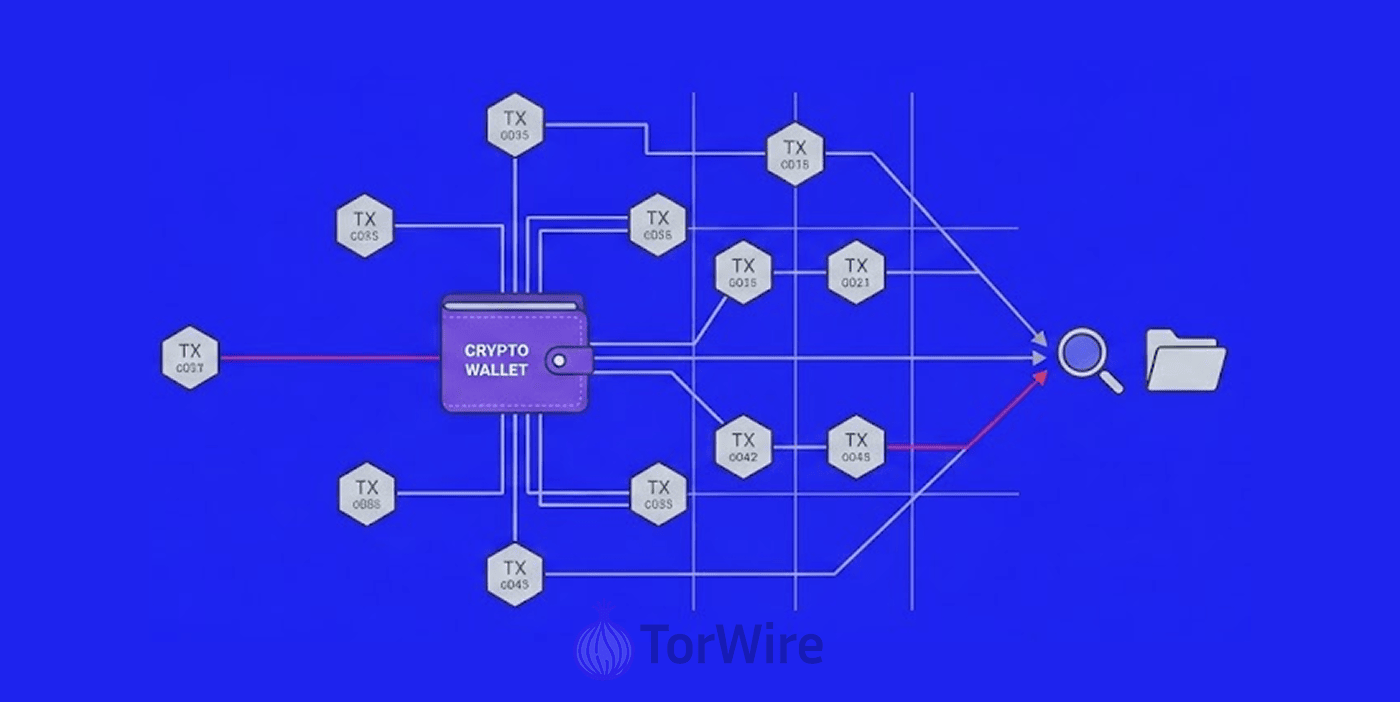
Elliptic’s new tool, called Pulse, studies a crypto wallet address or transaction ID and gives officers a plain summary within seconds.
-
The tool helps everyday police check crypto clues, even without special blockchain training.
-
Officers still make the final call. Pulse only offers clues and suggestions, according to Elliptic.
Crypto crimes are getting harder to trace, but police support is catching up. Blockchain tracking company Elliptic has built a new tool named Pulse. It lets regular police officers study crypto wallets fast. They no longer need to wait for a specialist team. This could speed up thousands of investigations across the world.
Police Get a Faster Way to Check Crypto Wallets
Elliptic announced Pulse on September 24. It is built to help police and government agents check crypto information on the spot. An officer can type in a wallet address or a transaction ID. Pulse then returns a financial summary in everyday language. The whole process takes only seconds.
This matters a lot for frontline officers. They often run into crypto clues during regular police work. A suspect’s phone might show a wallet address. A scam victim might hand over screenshots with crypto details. Before Pulse, officers had to pass this information to trained blockchain experts. That process could take time the investigation didn’t have.
Elliptic built Pulse for exactly these moments. Officers can now get quick answers during an arrest, a search, or a fraud case. The tool checks the wallet and flags anything that looks risky. This gives police an early read before deciding what happens next.
Decrypt reported that Pulse aims to help officers with no blockchain background. It works as a first filter. Officers can then decide whether a case truly needs deeper digging. This saves specialist teams from checking every small lead by hand.
From a Simple Search to a Full Investigation
Pulse doesn’t stop at a summary. According to Elliptic, officers can move a case straight into deeper tools when needed. The system connects to Elliptic’s other two platforms, called Lens and Investigator. Lens screens wallets for risk. Investigator traces where crypto funds travel.
When an officer sends a case forward, more than just the wallet address moves with it. The transfer carries Pulse’s analysis, the reasoning behind it, and any notes the officer typed in. A case number goes along too. This keeps the full story together as the case grows bigger.
Elliptic says Pulse runs on the same data network as its main platform. The company states its systems screen over 99% of global crypto trading activity. It also claims coverage across more than 65 blockchains. Wallets get checked against 70 categories of possible bad actors. These numbers come directly from Elliptic and reflect the company’s own reported coverage, not independent testing.
This wide coverage means Pulse can check almost any wallet an officer runs into. Whether the crypto sits on a major blockchain or a smaller one, the tool tries to spot patterns tied to fraud, theft, or other crimes.
Humans Still Make the Final Call
Elliptic is clear about one thing. Pulse does not decide guilt on its own. The company states that Pulse gives evidence and highlights unusual wallet activity. It does not label a wallet as criminal by itself. The officer studies what Pulse shows and then decides what happens next.
This matters because AI tools can make mistakes. A wallet might look risky but turn out to be clean. By keeping a human in charge, Elliptic tries to avoid wrongful accusations built purely on an algorithm’s guess. The tool supports the officer’s judgment instead of replacing it.
The use of AI in policing has also raised questions about how such systems should be deployed and monitored, as discussed in our report on Met police facing backlash after deploying Palantir AI to monitor officers.
Pulse is not Elliptic’s first AI release this month. Earlier in September, the company launched another system called Decode. That tool answers questions about on-chain risk and shows its reasoning step by step. Both tools point toward the same goal. Elliptic wants AI to explain itself, not just hand out a verdict.
For police departments, Pulse could shrink the time between finding a wallet address and knowing what to do with it. Cases that once sat in a queue for expert review might now get an instant first look. That speed could matter most in fraud cases, where scammers move stolen crypto fast.
The tool won’t turn every officer into a blockchain expert overnight. But it removes one major roadblock. Officers no longer need deep technical training just to understand what a wallet might mean. As crypto crime keeps growing, tools like Pulse could become a normal part of everyday police work.
Elliptic hasn’t said whether Pulse will roll out widely to all law enforcement agencies or stay limited to select partners for now. As more departments test the tool, its real-world accuracy and impact should become clearer over the coming months.