-
The Pentagon is investigating a suspected cyberattack after freezers failed and food spoiled at six US military grocery stores in August 2026.
-
Army cyber investigators are working with French police, who are handling a similar attack that hit hundreds of supermarkets.
-
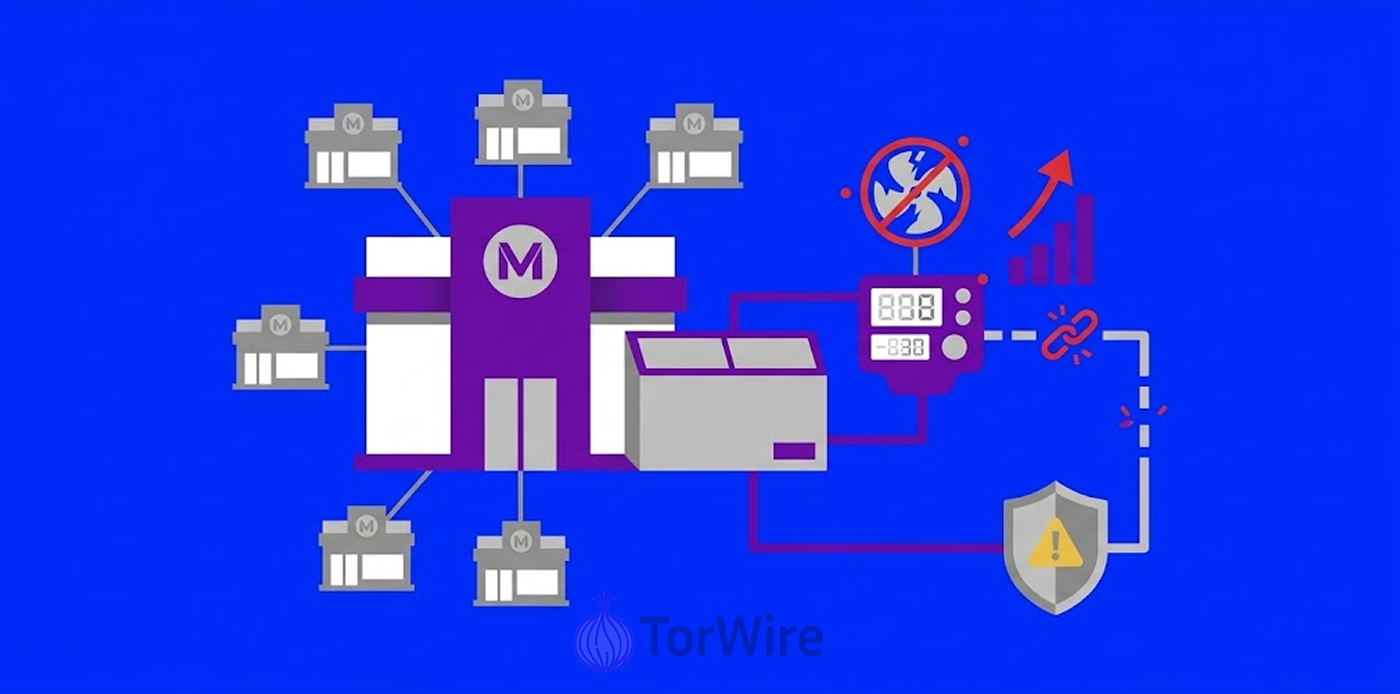
Investigators want to know how hackers could control internet-connected cooling equipment and disrupt food storage and supply chains.
The US Department of Defense is investigating a suspected cyberattack on military grocery stores. Freezers failed at several locations in August 2026, and the food inside spoiled. The failures have raised concerns that hackers may have interfered with the systems that control the freezers.
According to a report published on October 29, four officials familiar with the matter said the Pentagon is treating the failures as a possible cyberattack. Investigators have not found out how the incidents happened. They have not named anyone responsible either.
Six Military Grocery Stores Report Spoiled Food
The problem hit at least six military commissaries, which are grocery stores on military bases. The list includes Fort Irwin in California and F.E. Warren Air Force Base in Wyoming. Fort Huachuca in Arizona and Naval Station Newport in Rhode Island also appear on it. So do Columbus Air Force Base in Mississippi and Travis Air Force Base in California.
Reports from August 28 first described the outages. They followed announcements from the affected bases. The Defense Commissary Agency, which runs military grocery stores, admitted a possible refrigeration disruption. At first, it gave no reason for the failures.
Fort Huachuca suffered one of the worst cases. According to an August 26 update on the base’s Facebook page, its freezers switched into defrost mode overnight. The heat warmed the stored food. Every frozen product inside is spoiled.
These events pushed military investigators to ask a bigger question. They wanted to know whether the failures were connected. Ordinary equipment breakdowns were no longer the only explanation they considered.
Several US Agencies Join the Probe With French Police
On September 1, a news report said the Army Criminal Investigation Division and the Air Force Office of Special Investigations had confirmed active investigations. The Defense Criminal Investigative Agency was leading the wider effort.
More agencies have joined since then. Reports say a unit of US Cyber Command is working with partner agencies and law enforcement. The Army Criminal Investigation Division confirmed that its Cyber Field Office is involved. That office is working with French authorities to understand the refrigeration incidents in Europe.
French law enforcement is investigating a similar attack on commercial refrigeration systems in France. This contact brought US military authorities and French police together. Investigators now study how hackers could control internet-connected cooling equipment. They worry that such attacks could disrupt food storage and supply chains.
The Pentagon and the investigating agencies have not said whether they confirmed a cyber intrusion. No official has linked the American failures to the French attack. Reports could not establish whether the US commissaries use Danfoss controllers or equipment from other makers. For now, no confirmed technical link exists between the two sets of incidents.
Military-related cyber threats have also drawn attention elsewhere, with a hacker claiming a major data breach involving China’s military and seeking buyers for the allegedly stolen information.
French Supermarkets Lose Food as Freezers Overheat
The French attack happened overnight between October 11 and 12. It hit supermarkets run by several retail groups. According to a report from France, attackers changed temperature settings and stretched out automatic defrost cycles. The cooling units heated up. The alarms that normally warn store workers came late.
Some cooling systems reportedly reached 50°C. Supermarkets threw away large amounts of fresh and frozen food. In some places, the overheating equipment also started fires. Reports say more than 350 stores were affected. French reports later gave a higher estimate. According to the country’s finance minister, about 700 supermarkets suffered damage.
France’s national cybersecurity agency, through its CERT-FR division, confirmed many compromises. They involved remote refrigeration controllers made by Danfoss, Copeland and Dixell. The agency warned that management screens open to the internet created serious risks. It told affected operators to take exposed equipment offline and restore their systems safely. It also advised them to limit remote access and install available firmware updates (the built-in software that runs each device).
The French investigation has not named the attackers. It has not shown how they first got in. Danfoss said earlier that many affected controllers in France were obsolete or ran old firmware. Some older devices had reached the end of their support life. They no longer received security updates.
The cases show the risks of operational technology, which is the equipment that runs physical machines. Many of these devices were built for local use only. Today, internet-connected management systems can reach them.
The danger reaches beyond grocery stores. Refrigeration supports food distribution and pharmaceutical storage. Other services also depend on steady temperatures.
An earlier case shows that such attacks are not new. In December 2025, US federal prosecutors accused a Ukrainian woman of joining a hacking group. According to the reports, the group disrupted refrigeration at a meatpacking facility in 2024. The disruption caused the loss of more than 2,000 pounds of meat.
The Pentagon’s investigation continues. Authorities have not confirmed what caused the outages in the US. They have not named a threat actor. They have also not said whether the American incidents were coordinated with the attacks in France.