-
A hacker claims to have stolen the source code and databases of Esyariah, Malaysia’s Shariah court system.
-
The post names Selangor, Penang, and Sarawak, but no one has independently checked the claims.
-
The hacker also says access to other government networks remains open.
A hacker says they broke into Esyariah, the system Malaysia uses to run Shariah court cases. The claim appeared on an underground forum. No official group has confirmed it yet. In this case, a claim means the hacker said it without showing proof.
Hacker Boasts About Court System Data on Underground Forum
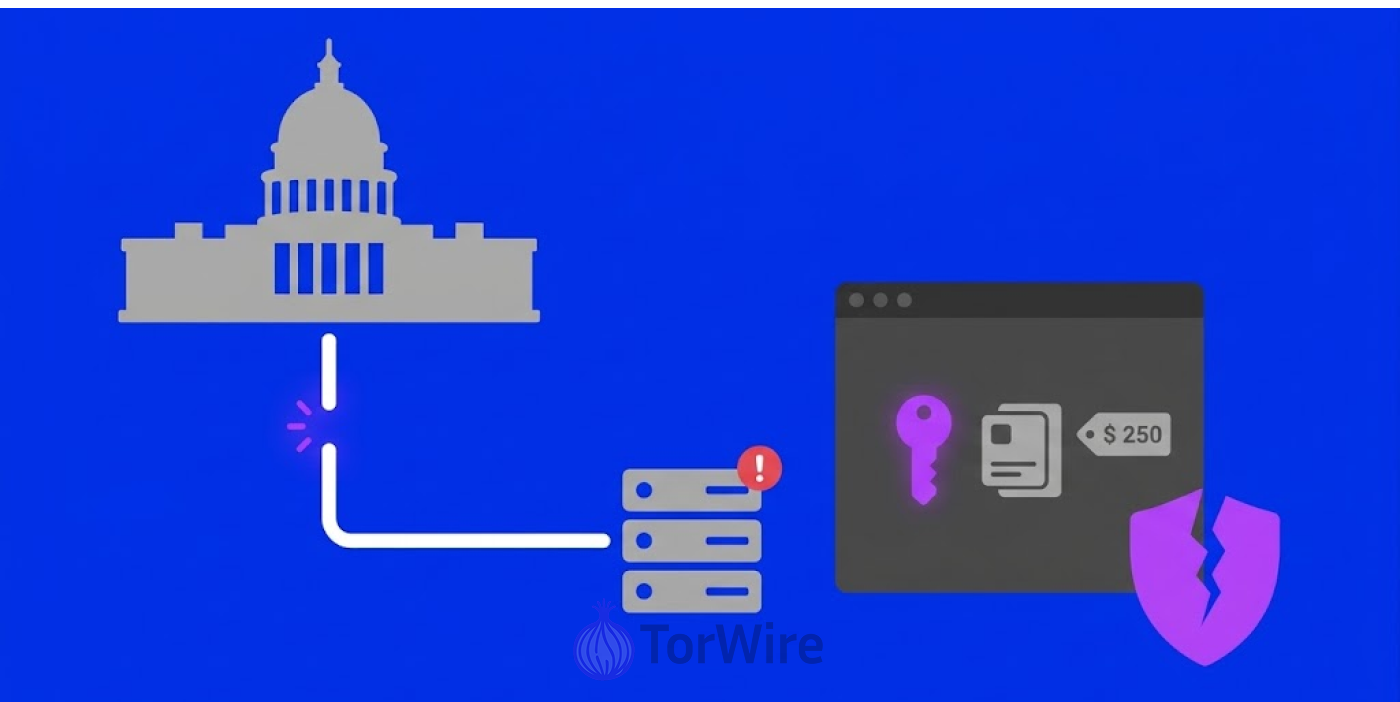
A hacker on an underground forum says they hacked Esyariah. The system manages electronic records for Shariah courts in Malaysia. According to a post shared by Dark Web Intelligence (@DailyDarkWeb), the hacker took the full source code. Source code is the set of instructions that makes a software run. The hacker also says they took databases linked to several Malaysian states. A database is a large digital store of records. The post comes from the hacker, so each detail is a claim for now.
The post names Selangor, Penang, and Sarawak. These states appear on the list of places the databases supposedly cover. The post gives no proof of how much data the hacker reached. It does not show which records sit inside those databases. It also does not show that any files were copied out. Nothing in the post confirms that the hacker successfully pulled the information from the system.
The hacker adds one more claim. Other Malaysian government networks are reachable from the same environment, the hacker says. In other words, the same hacked setup would open doors to more systems. That access reportedly stays open today. The hacker reportedly made no ransom demand.
These points are only claims for now. Searches at the time of writing found no news reports about this incident. They also found no public notice from the court system itself. So nobody knows if the system was hacked. Nobody knows if any data was taken. Nobody knows if other government networks face danger.
Esyariah Links Shariah Courts Across the Country
The Department of Syariah Judiciary Sabah explains the system’s purpose in its published information. The information says developers built Esyariah to bring court processes together. The system also connects state Shariah courts with the national judiciary department.
A confirmed theft of the databases could harm people’s privacy. Court records may hold personal details of people in legal cases. Some records may cover family matters or other sensitive legal issues. Still, the hacker’s post does not say which records, if any, were taken.
The source code claim raises a separate worry. It differs from the database claim. One concerns the software itself. The other concerns the information stored inside it. Attackers who get a software’s code can study how it is built. They can then search for weak spots to use in later attacks. This does not mean the code has such weak spots. It also does not mean another attack has happened.
The claim about government networks needs careful checking too. A network is a group of linked computers that share information. Suppose someone broke in beyond the first system. Investigators would then need several answers. They would need to know which systems were affected; they would need to learn how the hacker got in. They would also need to find out whether the hacker can still get back in. No public evidence found for this report confirms such access.
Malaysian Cyber Teams Offer Context but No Confirmation
Malaysia has official channels for handling cyber incidents. CyberSecurity Malaysia runs the Cyber999 Incident Response Centre. This centre deals with reports about cyber threats. The Malaysia Computer Emergency Response Team, known as MyCERT, posts security alerts and guidance. These pages help explain how Malaysia responds to online threats. People can read them to see where cyber reports go and where alerts come from. They do not confirm the Esyariah breach.
Separately, former Telekom Malaysia U.S. executives face charges in an alleged $20 million fraud scheme.
One technical detail also needs a closer look. A 2024 study in the UUM Journal of Legal Studies separates two systems. The federal E-Syariah system is one of them. According to the study, the i-Syariah system, used in Sarawak, is the other. So the links between the databases and the named states should be checked, not assumed. The post may not describe one single connected system.
Three kinds of proof could settle the matter. An official statement from the responsible bodies would be the first. A trusted, independent technical investigation would be the second. Verifiable proof of a break-in and data theft would be the third. Each one would show whether the hacker’s story holds up. A hacker’s post alone cannot do that job. Readers should wait for such proof before drawing conclusions about court records.
For now, the incident stays an unverified claim by a hacker. Until proof appears, calling it a confirmed breach would be too early. The same goes for saying that court records or wider government networks have been hit.