-
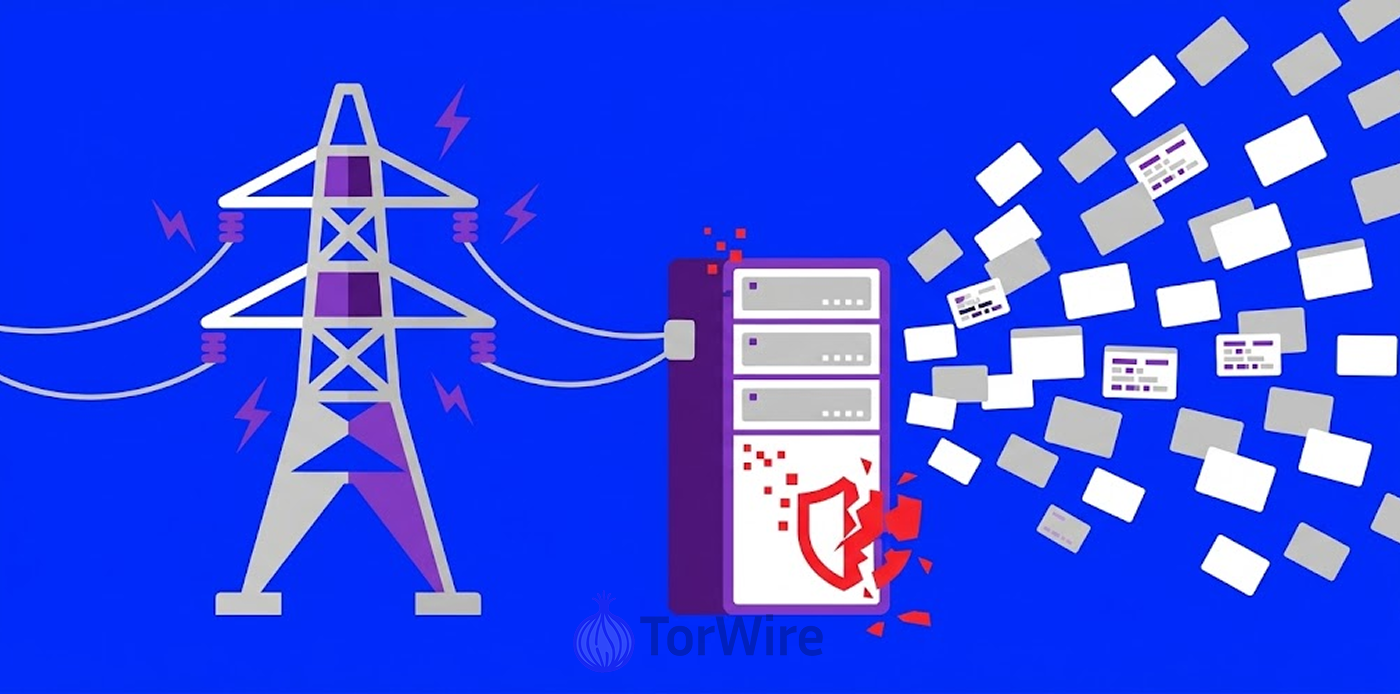
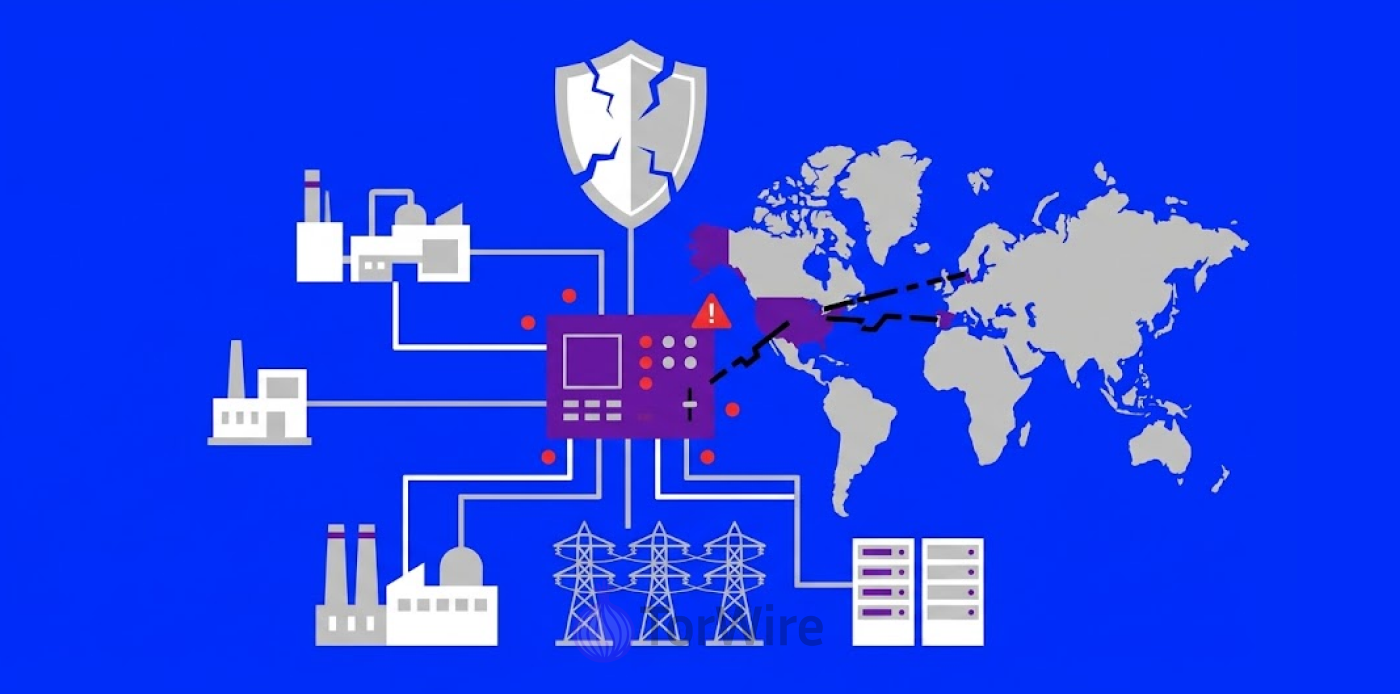
Hackers linked to Russia reportedly broke into weakly protected factory, water and food systems across Spain, Denmark and the United States.
-
The attacks stopped crematorium ovens, sparked a factory fire, burst water pipes and caused an ammonia leak at a meat plant near Los Angeles.
-
A Danish waterworks reportedly protected its control system with the password “1234”, which left an essential service wide open.
Hackers who support Russia are reportedly targeting poorly protected machines at factories, water plants and food sites. The attacks hit several Western countries. They caused real damage, not just computer problems.
An investigation published on October 27, 2026, described several cases. Each case involved systems that run machines and key public services. These systems control things like ovens, pumps and cooling equipment.
The reported cases include crematorium ovens that stopped working in Spain. Another case involved a fire at a factory that makes equipment for renewable energy. Attackers also caused an ammonia leak at a meat plant near Los Angeles. The investigation also covered a Danish waterworks, where attackers reportedly entered a control system guarded by the password “1234”.
According to the investigation, operators left several systems weakly protected. Those systems were also reachable through the internet. The attackers could change equipment settings without fully understanding the work the machines did.
Ovens Stop and a Factory Burns in Spain
The Spanish incidents happened between late 2024 and the summer of 2026. They hit businesses in very different fields. Ovens at a funeral home in Alicante province suddenly stopped working. At another site in Catalonia, a machine malfunctioned. That machine made transformers for renewable energy systems. The fault started a fire.
Two wineries also faced trouble. Attackers tampered with their heating and ventilation systems. Temperatures then climbed in the production and storage areas. Both businesses had to stop their work for a time.
Meat Plant Leak and Burst Pipes Hit the US and Denmark
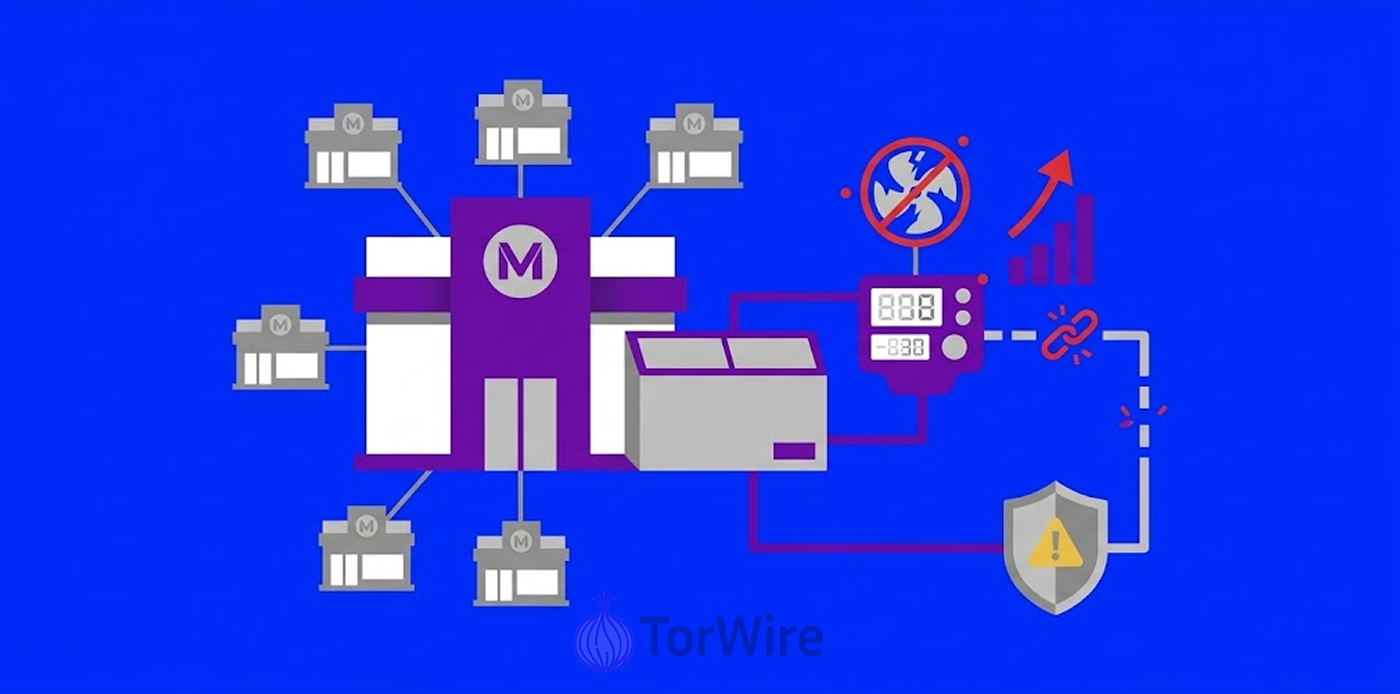
The United States faced its own attack in November 2024. Hackers targeted a meat processing plant near Los Angeles. They disrupted the plant’s refrigeration system. According to the US Department of Justice, thousands of pounds of meat spoiled. The attack also caused an ammonia leak. Workers had to leave the building.
A report from December 2025 said US authorities blamed the Cyber Army of Russia Reborn (CARR). Reports say this group has links to Russian military intelligence.
Denmark saw a different kind of damage. In December 2024, attackers interfered with the control system at Tureby Alkestrup Waterworks. The attack changed the water pressure. Underground pipes burst as a result. Hundreds of homes briefly lost their water supply.
Another report said Danish intelligence authorities blamed a pro-Russian group called Z-Pentest. Danish officials described the incident as part of a wider campaign. That campaign aims to disrupt Western countries through cyber activity.
Denmark has also faced major data security incidents. A separate breach of the country’s National Population Register reportedly exposed personal information belonging to 8.8 million people.
US Agency Warns of Weak Passwords and Open Remote Access
The Danish case showed how weak security can invite trouble. The investigation reported that the waterworks used the password “1234”. That made it easier for attackers to get inside. A password this simple gives very little protection to a service people need every day.
The US Cybersecurity and Infrastructure Security Agency (CISA) had already warned about this threat. The agency said Russian-linked groups target industrial systems that connect to the internet. These systems control machines, pumps, cooling equipment and other physical parts of a site.
A joint warning in December 2025 named several groups. They include CARR, NoName057(16) and Z-Pentest. The warning explained that attackers often go after weak remote-access connections. Those connections let them take control of industrial devices from far away.
CISA also noted that some of these groups have limited technical skill. They often misunderstand the industrial work they interfere with. This can lead to results nobody expects, including physical damage.
The growing number of cases raises concerns about the safety of systems that support daily life. Attackers do not always need advanced hacking tricks. They can cause serious trouble when key equipment sits online with weak protection.