-
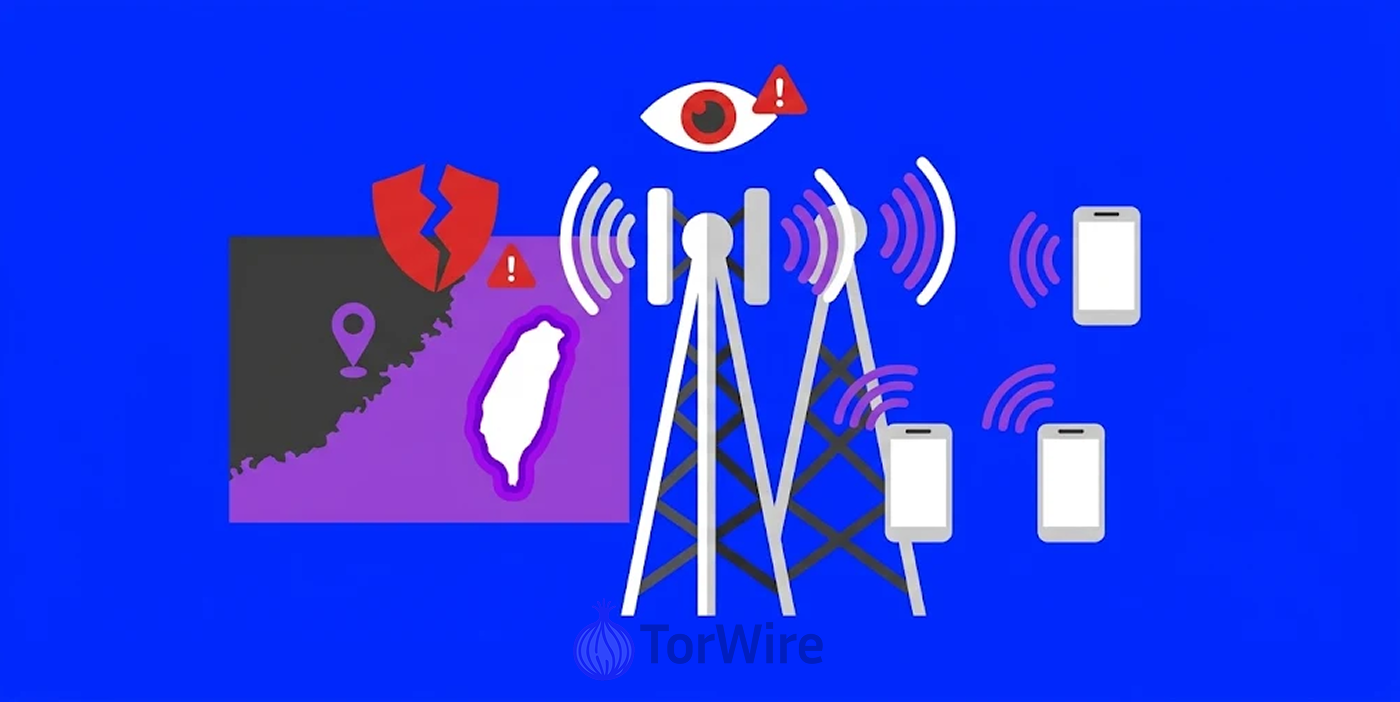
A hacking group called SilentAir compromised the communications systems of phone companies in more than six countries in Asia. The majority of the targets were from Taiwan.
-
The hackers diverted calls and SMSs. In some cases, they intercepted login codes sent through text messages.
-
According to Enea, the hacking group is most probably backed by a government entity. However, the security company is not confident about its claim that the group is affiliated with China.
Enea, a Stockholm-based security firm, tracked a group it calls SilentAir that snoops on people’s private texts by hacking phone companies. The company shared its findings on November 11.
According to the report, SilentAir broke into phone networks all over Asia with a particular focus on people in Taiwan. Enea already notified the carriers that got hit. It says SilentAir has been stopped for now, but it might return.
How the Hack Worked
Phone companies have similar signaling systems. These allow routing of calls and texts. Moreover, they allow your phone to operate outside your home region. The providers trust one another, and it is how the attackers exploited their trust.
The hackers took control of some equipment on several carriers. They then pushed certain information into the common network. Among that information was something which would tell the carrier at home that the phone had moved to the new place – the infected equipment. Should the carrier believe it, the hacker would intercept the victim’s calls and texts.
Some attacks did work out. Enea has seen access codes obtained immediately after some of the reroutes. The websites use such codes to send login information via text messages. The attackers might thus gain access to accounts associated with such numbers. However, the report provides no data about hacking accounts. There is no evidence of stolen voice calls, either.
What Makes this Group Different
Usually, the offenses on these systems come from companies providing tracking services. They hardly ever read messages. In Enea’s earlier studies, only 2.1% of their offenses involved the interception of messages. For SilentAir, this number was as high as 18.3%. This means this group was targeting the content of the message.
Some of their targets were politicians and governmental leaders from their own countries. Sometimes, the hacked equipment closed in on the very same person in various countries. Enea states this indicates that there is one chief military commander behind it.
The offenses occurred in waves. Some waves involved a few victims. Other waves covered thousands of people within one month. Afterwards, things settled down for months and years.
SilentAir also sent out silent texts. You don’t see them on your phone. There’s no vibration and no notification. During the day, the majority went to people using other networks, for example, in Southeast Asia.
According to Enea, they were tests. The attackers would know the rerouting works if one of those test messages is received through hacked equipment rather than the phone.
During the night, the majority went to people in Taiwan. Why? Enea doesn’t know. It could be that they tried to check whether old reroutes were still valid. Since phones hardly reconnect at night, rerouting was the safest method.
The texts seemed like spam, in English, with some motivational or promotional message. In Enea’s opinion, it served as a cover. If a carrier stripped off the silent flag, the user would receive spam and delete it.
How Enea Discovered the Campaign
From early 2025, Enea started to notice that unusual attacks were coming from Asian networks, which were usually quiet. What’s more, the follow-up communications via those networks were odd.
There were two possible explanations for that. Either attackers were impersonating the carriers’ addresses, or they hacked the carriers’ equipment. The latter explanation proved correct when Enea saw the equipment of one carrier issuing attack commands.
Blocking attacks was a challenge at the beginning as the hackers knew their way around mobile networks. Enea found traces of the intrusion, but it wasn’t able to study the particular malware it suspects the attackers may have used. The report omits details of carriers, countries and victims.
Is China Behind the Attack?
It connects the team to China, but not with high confidence. The company has some evidence for this. The team was concentrating on Taiwan and ignored Chinese users and networks. Other reports have also raised cybersecurity concerns involving China. In a separate incident, a hacker claimed to have stolen 10 petabytes of data from China’s supercomputing center, although that claim concerns a different case.
The tracking and interception also worked during Chinese working hours, starting at 9 am and almost stopping on weekends, slowing down significantly on national holidays in China.
Also, Enea examined the group named Liminal Panda. CrowdStrike connected the group to China in 2024, with the same low level of confidence. Enea claims that the connection between these two groups is possible but unproven.
In some cases, SilentAir was able to attack when Liminal Panda had already penetrated. In other cases, it did not look as if the groups were working together. Also, Liminal Panda has no clear connection with Taiwan.
A certain tool called SIGweaver adds to the mystery of the attack. The media authority of Singapore described the tool in a recent advisory, and CrowdStrike believes with moderate confidence that it has links to the threat actor group, Liminal Panda.
SilentAir behaves a lot like SIGweaver, except SilentAir can respond to messages it did not send. SIGweaver doesn’t have that capability. Also, SilentAir is better at going undetected than SIGweaver.
What’s Next for Carriers and Users?
Enea advised carriers to treat the entire shared network as untrusted. The firm also urged them to use stronger firewalls and closer integration between signaling defense and IT security.
However, at least there is one simple piece of advice. Whenever it is possible, users should use authenticator apps or security keys instead of SMS verification codes.