-
A viral post claims an Israeli agent unlocked a Turkish reporter’s iPhone 17 Pro Max without a password.
-
No verified report backs the claim, and Apple’s main chips come from TSMC, not Israel.
-
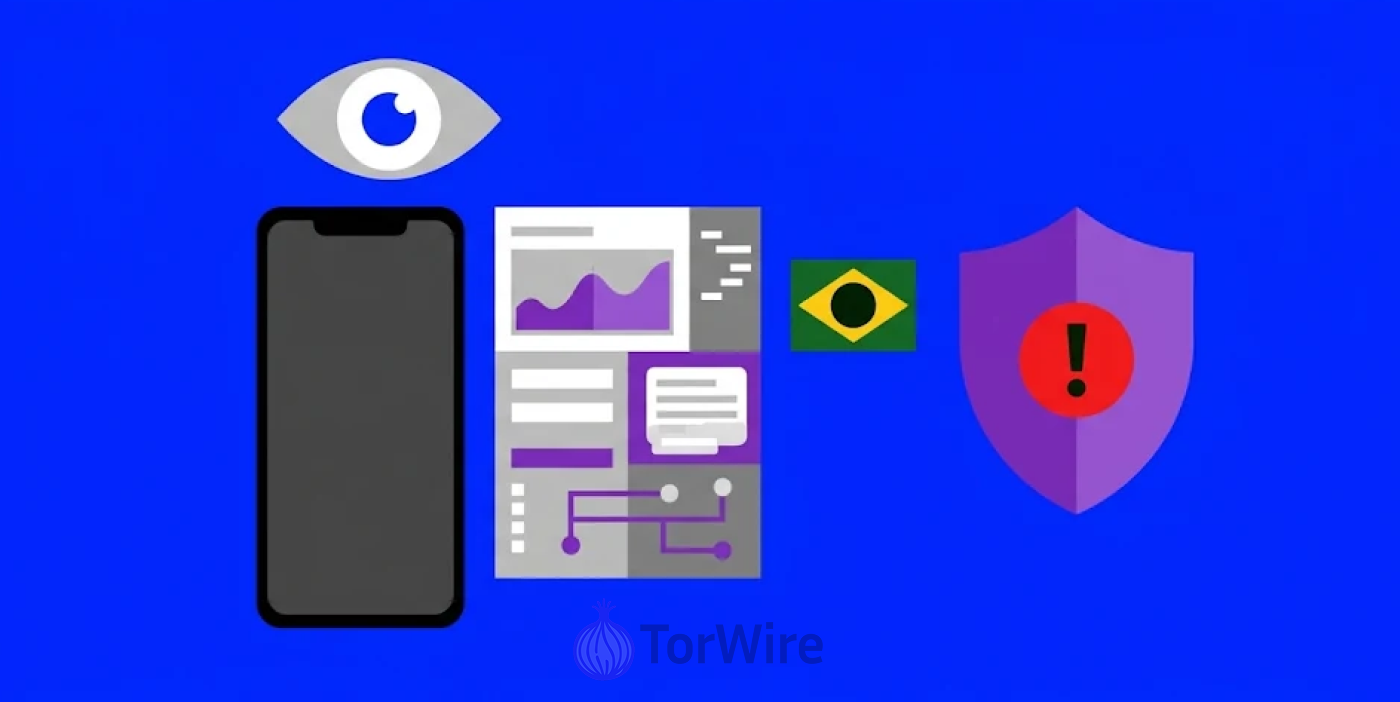
Brazil’s Senate plans to loan 425 phones to senators, including 95 iPhone 18 Pro devices.
A viral social media post has raised fresh worries about phone safety. It claims an Israeli agent unlocked a Turkish reporter’s iPhone 17 Pro Max without knowing the password.
Brazilian commentator Thiago dos Reis (@ThiagoResiste) shared the claim on X. He said the agent opened the phone’s apps and then covered its cameras. He also alleged that Israel can reach every iPhone, because Israel developed some of its chips.
The post drew quick reactions. Many users voiced concern about foreign spying, phone security, and officials who use foreign-made devices. Some compared the claim with Israel’s reported role in the 2024 pager explosions in Lebanon.
The claim needs a closer look. As of November 12, 2026, no independent report confirms that an Israeli agent unlocked the reporter’s iPhone this way. The posts do not name the reporter, the agent, the place, or the tool used.
Experts do know that special phone-forensics firms can pull data from some locked phones. That does not mean a government can open every device.
Phone-unlocking Tools Exist, but they do not Prove Universal Access
Cellebrite offers one useful example. The company was founded in Israel and builds tools that help investigators pull data from mobile devices.
In March 2026, Cellebrite announced wider support for cases that involve iPhone 17 devices and Apple’s iOS 26 system, according to its spring release page. Its tools offer different levels of access to locked phones. The level depends on the phone and its security state.
The company’s autumn 2026 release added wider access to supported iPhone 15, 16, and 17 devices that run iOS 26.6. Cellebrite said some of these abilities are limited to chosen customers and expert labs.
This shows that advanced tools can reach data on certain iPhones under set conditions. It does not show that an Israeli intelligence agent carried out the alleged act. It also does not show that Israel can unlock every iPhone. Using forensic gear on a phone is also different from spying through its cameras, microphone, or apps from far away.
Concerns about digital privacy also extend beyond phone-forensics tools. A separate viral post claimed that hackers could steal crypto wallet data from porn site visitors in just 15 seconds, highlighting the risks associated with online activity and personal data exposure.
Apple offers Lockdown Mode for people who face very advanced spyware threats. The feature limits some phone functions to lower the risk of targeted attacks. Apple also sends threat notifications when it detects activity that matches mercenary spyware attacks.
Israeli Chip Claim Faces a Fact-Check
The claim that Israel makes iPhone chips also needs a correction. Apple has engineering and research teams in Israel. Reports link these teams to certain wireless parts, including the C1X cellular modem and the N1 wireless chip in recent iPhone models.
Designing a chip is not the same as making it. Taiwan Semiconductor Manufacturing Company (TSMC) manufactures Apple’s main A-series processors, not any factory in Israel. A fact-check from May 2026 found no proof that Apple signed a government-level deal with Israel to make iPhone chips. It also rejected the idea that Israeli engineering work proves hidden backdoors exist.
Israeli engineers do work in Apple’s supply chain, and that is documented. Still, it does not show that Israel controls iPhones or can freely reach their data.
Brazil’s Senate Phone Tender Sparks Public Backlash
The viral post also links the claims to Brazil’s plan to give iPhones to senators. This part of the story has a documented base, though some details online mislead. A report published on November 10 said the Senate opened a public tender for 425 mobile phones. The plan includes 95 iPhone 18 Pro devices and 330 mid-range phones from Samsung and Motorola.
The estimated contract value is about R$6.04 million over four years. The deal covers phone services and equipment supplied under a loan agreement, known in Brazil as comodato. The Senate will not buy the devices directly.
Senate President Davi Alcolumbre addressed the row on November 11. According to him, senators can reject or return the phones if they do not want them. He also defended the plan as a way to stay compatible with the Senate’s current technology systems.
The proposed contract has drawn criticism from politicians and the public. The debate centers on public spending, the need for institutional phones, and the choice of devices. For now, the alleged Israeli operation against the Turkish reporter remains unverified. Advanced forensic tools and Apple’s Israeli engineering teams do not prove that anyone can open every iPhone.
The episode does raise real questions about phone security and government technology choices. Still, claims of mass spying need technical proof, not viral posts alone.